
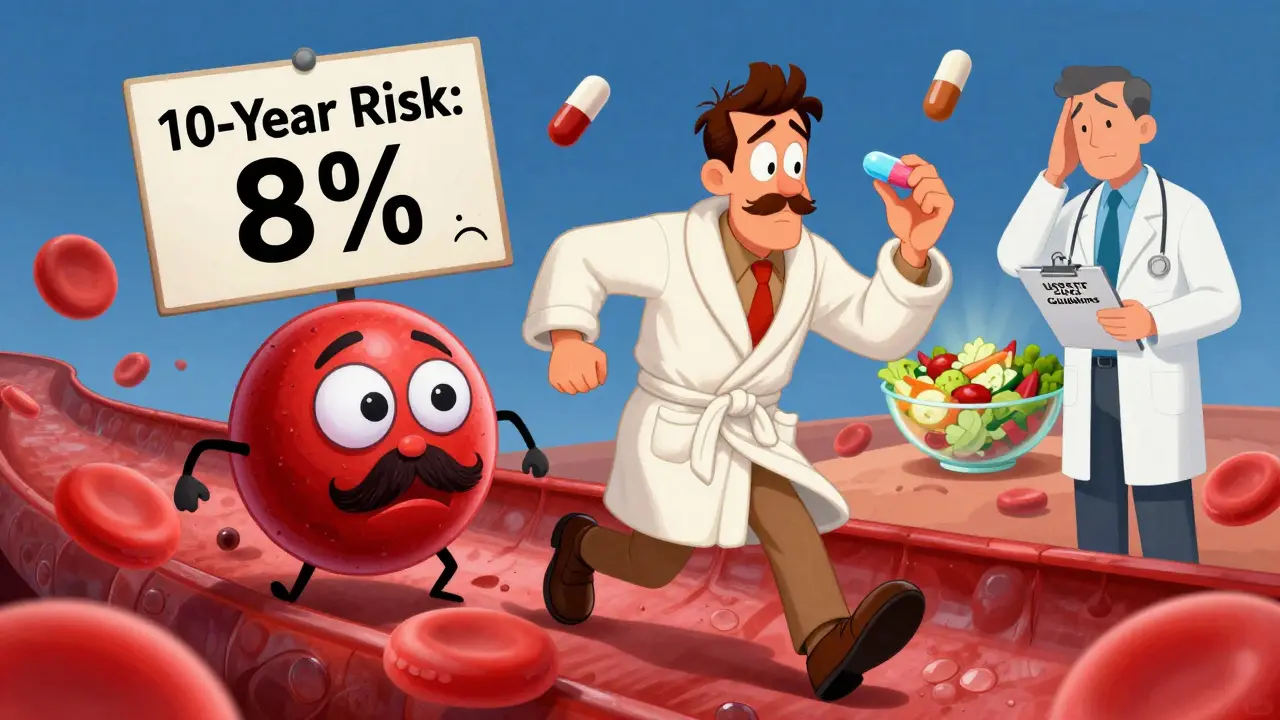
For decades, taking a daily low-dose aspirin was almost like brushing your teeth - something everyone over 50 was told to do to keep their heart healthy. But today, that advice has flipped on its head. If you’re thinking about starting aspirin to prevent a heart attack or stroke, you need to know the rules have changed. Aspirin therapy isn’t a one-size-fits-all solution anymore. In fact, for many people, it might do more harm than good.
What Aspirin Actually Does
Aspirin works by thinning your blood - not in the way warfarin or rivaroxaban does, but by stopping platelets from clumping together. Platelets are tiny blood cells that rush to seal cuts. But when they stick together inside a narrowed artery, they can trigger a clot, leading to a heart attack or stroke. Aspirin blocks a key enzyme called COX-1, which keeps those platelets from sticking. That’s why it’s been so widely used: it interrupts the process before it becomes deadly.
But here’s the catch: your body needs platelets to stop bleeding. If you cut yourself, bruise easily, or have a stomach ulcer, aspirin makes those problems worse. And that’s where the balance tips.
Who Should Consider Aspirin - And Who Shouldn’t
The latest guidelines from the U.S. Preventive Services Task Force (USPSTF), updated in 2022, say this clearly: Don’t start aspirin if you’re 60 or older. No exceptions. The risk of serious bleeding - in the brain, stomach, or intestines - outweighs any potential benefit in preventing a first heart attack or stroke.
What about people between 40 and 59? This is the gray zone. If you have a 10% or higher chance of having a heart attack or stroke in the next 10 years, your doctor might consider aspirin. But even then, it’s not automatic. You need to weigh two things: your cardiovascular risk and your bleeding risk.
How do you know your 10-year risk? It’s calculated using the ACC/AHA pooled cohort equation. It looks at:
- Your age
- Sex
- Race
- Total cholesterol and HDL (good cholesterol)
- Systolic blood pressure (even if you’re on medication)
- Whether you have diabetes
- Whether you smoke
If your score is below 10%, aspirin won’t help. If it’s above 10%, talk to your doctor - but don’t assume you need it.
Now, check your bleeding risk. Use the HAS-BLED score. If you have:
- High blood pressure
- Kidney or liver disease
- A past history of bleeding (stomach ulcers, nosebleeds, bruising easily)
- Take blood thinners like warfarin or Eliquis
- Drink more than 3 alcoholic drinks a day
- Are over 65
...then your score is likely 3 or higher. That means you’re at high risk for major bleeding. Aspirin is not for you.
Why the Guidelines Changed
Twenty years ago, aspirin was a miracle drug for prevention. But medicine has changed. Today, we have better tools. Statins lower cholesterol dramatically. Blood pressure medications control hypertension. Diabetes is managed more effectively. Smoking rates are down. All of this means fewer people are having heart attacks - and the relative benefit of aspirin has shrunk.
Three major studies published in 2018 - ASPREE, ASCEND, and ARRIVE - showed that while aspirin slightly reduced nonfatal heart attacks (by about 12%), it increased major bleeding by 43%. For every 100 people taking aspirin for 10 years, about 1 might avoid a heart attack. But 2 might have a serious bleed that requires hospitalization or a blood transfusion.
Dr. John Rumberger from Mayo Clinic put it bluntly: “The window for aspirin’s utility in primary prevention has narrowed considerably with modern risk factor control.” In other words: if your cholesterol and blood pressure are under control, aspirin adds almost nothing.
Special Cases: When Aspirin Might Still Help
There are exceptions. Not everyone fits the mold.
People with diabetes: The American Diabetes Association still recommends aspirin (75-162 mg daily) for those over 40 with at least one additional risk factor - like high blood pressure, smoking, or family history. Why? Because diabetes doubles your risk of heart disease, and aspirin’s benefit is more likely to outweigh the risk here.
People with very high coronary artery calcium (CAC) scores: If a CT scan shows heavy plaque buildup in your heart arteries (a CAC score over 100), some experts believe aspirin may still help. This is still being studied, but it’s one of the few cases where the old logic might still apply.
People with familial hypercholesterolemia: This rare genetic condition causes extremely high cholesterol from birth. Even young adults with this condition are at high risk. Many lipid specialists recommend aspirin here, despite age.
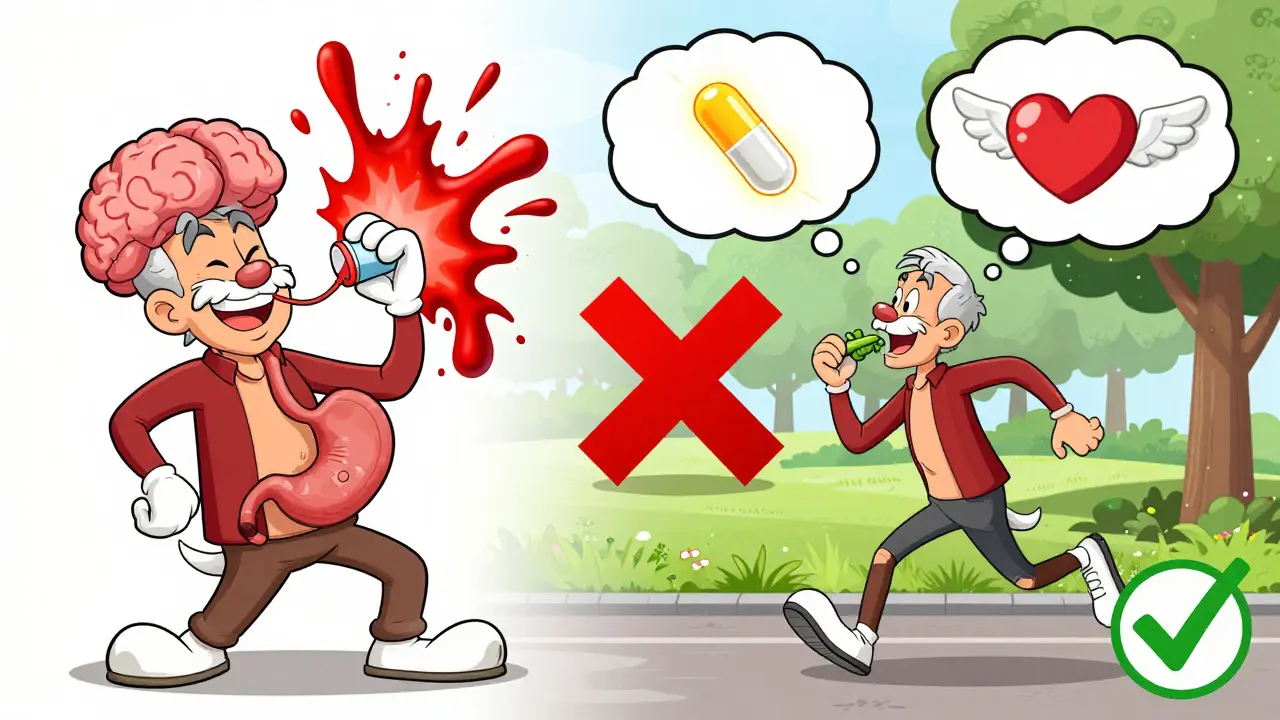
But if you’re healthy, with no diabetes, no smoking, normal cholesterol, and no family history - don’t take aspirin. You’re not saving your heart. You’re just risking your stomach.
What About People Already Taking It?
If you’re already on aspirin - especially if you’re over 60 - don’t stop cold turkey. Talk to your doctor. For some people, stopping suddenly can cause a rebound effect, increasing clot risk. But for many, especially those who started it years ago without proper risk assessment, stopping is the safer choice.
A 2019 study found that nearly 30 million Americans without heart disease still take aspirin daily. About 6.6 million of them started it on their own - no doctor involved. That’s dangerous. The internet is full of stories like: “My dad had a heart attack at 58, so I started aspirin at 50.” But your dad’s risk profile isn’t yours. Your age, your blood pressure, your cholesterol - those matter more than family history.
One Reddit user, u/HealthyHeart65, wrote: “My cardiologist told me to keep taking it because my father had a heart attack at 58, even though I’m 67 with well-controlled hypertension.” That’s exactly the kind of thinking that’s outdated. Your father’s heart attack doesn’t mean you’re at high risk today. Modern medicine doesn’t work that way.
The Cost-Benefit Reality
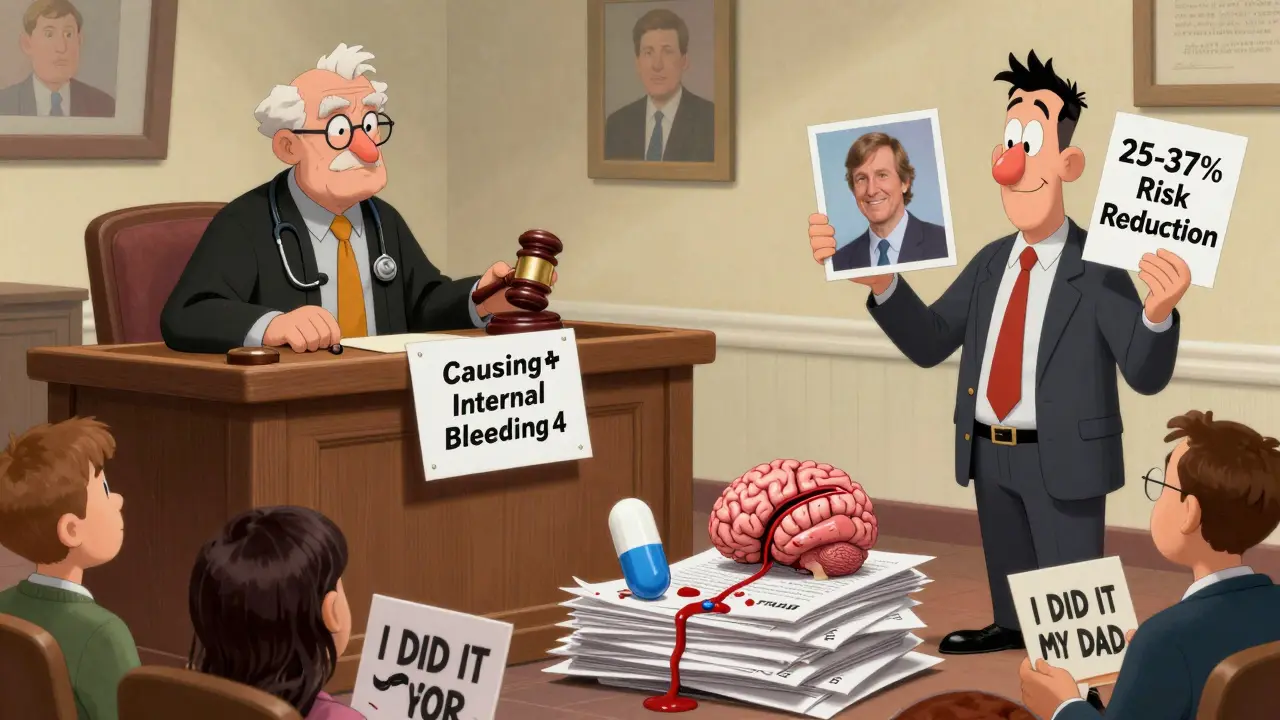
Aspirin is cheap. A three-month supply costs $4-$6 in the U.S. That’s part of why it’s still so widely used. But cost isn’t the whole story. A serious bleed can cost tens of thousands in hospital bills, and it can leave you with lasting damage - a stroke from brain bleeding, or chronic anemia from GI bleeding.
Compare that to statins. A generic atorvastatin (Lipitor) costs about the same. But statins cut your risk of heart attack by 25-37%. Aspirin? Only 10-15%. And statins don’t increase bleeding risk. That’s why they’re now the cornerstone of prevention - not aspirin.
What to Do Instead
If you’re trying to prevent heart disease, focus on what actually works:
- Get your blood pressure under control
- Lower your LDL cholesterol with diet and/or statins
- Quit smoking - if you smoke
- Manage diabetes if you have it
- Exercise regularly - at least 150 minutes of moderate activity per week
- Eat more vegetables, fiber, and healthy fats - less processed food
These changes reduce your risk more than any pill. And they don’t come with bleeding risks.
Final Takeaway
Aspirin isn’t evil. It’s still a lifesaver for people who’ve already had a heart attack, stroke, or stent. That’s called secondary prevention - and it’s still strongly recommended.
But for people who’ve never had a heart problem - especially if you’re over 60 - aspirin is no longer a shield. It’s a gamble. And the odds are against you.
Don’t take it because your mom did. Don’t take it because you read it online. Don’t take it because your doctor didn’t say no. Ask for your 10-year risk score. Ask about your bleeding risk. And then make a decision - together - with your doctor.
Should I take aspirin every day to prevent a heart attack?
Only if you’re between 40 and 59 and have a 10% or higher 10-year risk of heart disease or stroke - and even then, only if your bleeding risk is low. For most people, especially those over 60, the answer is no. Aspirin doesn’t prevent heart attacks in healthy people - it just increases the chance of dangerous bleeding.
Is baby aspirin safe for everyone?
No. "Baby aspirin" (usually 81 mg) is still aspirin. It doesn’t reduce bleeding risk - it just lowers the dose. Even low-dose aspirin increases the chance of stomach bleeding, brain bleeds, and other serious bleeding events. Age, diabetes, high blood pressure, and alcohol use all make this risk worse.
I’ve been taking aspirin for years. Should I stop?
If you’re over 60 and have never had a heart attack, stroke, or stent, you should talk to your doctor about stopping. Don’t quit suddenly - your doctor may recommend tapering. If you’re under 60 with no bleeding risks and high cardiovascular risk, you may still benefit. But if you’re unsure, get your 10-year risk calculated. Most people will find they no longer need it.
Does family history mean I need aspirin?
Family history raises your risk - but it doesn’t automatically mean you need aspirin. What matters more is your own numbers: your blood pressure, cholesterol, whether you smoke, and if you have diabetes. Many people with strong family histories have normal risk scores and don’t need aspirin. Others with no family history have very high risk and might benefit.
Can I take aspirin if I have diabetes?
Yes - but only if you’re over 40 and have at least one other risk factor, like high blood pressure or smoking. Diabetes alone increases heart disease risk, so aspirin can help in this group. But if you’re over 70 or have a history of ulcers or bleeding, the risks may outweigh the benefits. Always check with your doctor.
What are the signs I’m bleeding because of aspirin?
Watch for: dark, tarry stools (sign of internal bleeding), vomiting blood or material that looks like coffee grounds, unexplained bruising, frequent nosebleeds, or sudden headaches (possible brain bleed). If you notice any of these, stop aspirin and get medical help immediately.
Are there better alternatives to aspirin for prevention?
Yes - and they’re safer. Statins lower cholesterol and reduce heart attack risk more than aspirin does, with no bleeding risk. Blood pressure medications, quitting smoking, exercise, and a healthy diet are even more powerful. Aspirin has no unique advantage over these for people without prior heart disease. Focus on those instead.
Why do some doctors still prescribe aspirin if guidelines changed?
Change takes time. Many doctors still prescribe aspirin out of habit, because patients ask for it, or because they’re unaware of the 2022 update. Studies show up to 25% of primary care practices still prescribe aspirin for primary prevention at rates higher than guidelines recommend. That’s why it’s important to ask your doctor: "Based on my numbers, do I still need this?"

Joey Pearson
March 6, 2026 AT 07:28Love this breakdown! So many people still take baby aspirin like it’s vitamin C. Time to stop the myth. Your heart doesn’t need a chemical band-aid - it needs real lifestyle changes.
Roland Silber
March 6, 2026 AT 15:20Really appreciate how you laid out the risk scores. Most folks don’t even know about the ACC/AHA calculator. I’ve started showing my patients how to plug in their numbers - it’s eye-opening. One guy thought he needed aspirin because his dad had a heart attack. Turned out his LDL was 110, BP normal, no diabetes. Zero benefit. We talked about statins instead.
Also - HAS-BLED score? Game changer. I print it out. People remember the checklist. High BP + alcohol + age 65? Red flag. No aspirin.
Patrick Jackson
March 6, 2026 AT 22:39Wow. Just… wow. 😭
I used to take aspirin every morning like it was my spiritual practice. "Protect my heart, protect my soul." But then I read about the bleeding risks - and honestly? I got scared. Not just scared. Existentially scared.
I’m 58. Healthy. No diabetes. BP’s good. Cholesterol? Fine. But I had a weird nosebleed last month. Not heavy. Just… weird. Now I’m wondering: was that my body saying "stop"?
My doc says "keep going." But I’m not so sure anymore. Maybe I need a second opinion. Or maybe I just need to stop listening to doctors who still think 2005 is today.
Thanks for this. It made me question everything. And that’s good.
Adebayo Muhammad
March 8, 2026 AT 11:04Pranay Roy
March 10, 2026 AT 05:23Tim Hnatko
March 11, 2026 AT 15:16I’ve been on aspirin since I was 52. 67 now. No heart issues. But I have mild hypertension and a history of occasional ulcers. My doctor never ran my risk score. Just said, "You’re over 50. Take it."
I didn’t know about HAS-BLED. I’m going to ask for it next visit. Honestly? I’m glad I read this. I didn’t realize I might be doing more harm than good.
Aaron Pace
March 13, 2026 AT 09:01Aspirin is for people who don’t want to exercise 😎
Just saying. If you’re too lazy to walk 30 mins a day, you’re probably also too lazy to take care of your blood pressure. So you reach for the pill. But pills don’t fix laziness. They just mask it. And then they bleed you out.
Joe Prism
March 14, 2026 AT 14:33As someone who grew up in the 80s, I remember when aspirin was the answer to everything - headache, fever, heart attack. It felt like medicine was simple then.
Now? We’ve got risk calculators, genetic markers, AI-driven diagnostics. It’s overwhelming. But also… more honest. We’re finally admitting we don’t have magic bullets. And that’s okay.
Maybe the real breakthrough isn’t a drug - it’s the humility to say, "I don’t know," and then check the numbers.
Bridget Verwey
March 16, 2026 AT 13:23Oh sweet mercy, another "aspirin is the cure-all" post? 😂
My grandma took it daily. Died of a GI bleed at 81. She also ate bacon for breakfast, smoked like a chimney, and never checked her BP. So… aspirin didn’t kill her. But it sure didn’t save her either.
Stop treating prevention like a superstition. Get your numbers. Move your body. Eat real food. Then decide.
Andrew Poulin
March 18, 2026 AT 07:51Weston Potgieter
March 18, 2026 AT 23:01Vikas Verma
March 19, 2026 AT 19:32Sean Callahan
March 20, 2026 AT 09:52i just rea this and i think i might be dying. i’ve been taking aspirin for 15 years. i think i have a bleed. i’m not sure. my stomach hurts. i think i’m gonna die. i need help. i’m scared. i’m 58. i didn’t know. i’m so scared. i think i’m gonna die.
Ferdinand Aton
March 22, 2026 AT 07:29Wait. So you’re saying aspirin doesn’t work? But what about all the studies from the 90s? What about the doctors who’ve been prescribing it for decades? Maybe the real problem is that we’re overdiagnosing risk? Maybe people don’t need statins or aspirin - maybe they just need to chill out and stop Googling everything?