
Beta-Blocker Interaction & Profile Checker
Select a medication from the list to begin.
Explore how different beta-blockers interact with other common conditions and medications.
You take a pill for your high blood pressure or heart condition. It works fine for months. Then you pick up a new prescription for an asthma inhaler, a migraine headache, or even just a cold remedy from the pharmacy counter. Suddenly, that old heart pill stops working-or worse, it starts making you feel dizzy, tired, or short of breath. This isn’t bad luck. It’s chemistry.
Beta-blockers are some of the most prescribed medications in history. But they aren't a single, uniform tool. They are a complex family of drugs with distinct personalities, mechanisms, and interaction profiles. Treating them all as interchangeable is one of the biggest mistakes patients and even some clinicians make. Understanding the difference between a non-selective blocker like propranolol and a vasodilating third-generation agent like carvedilol can mean the difference between stable health and a hospital visit.
The Three Generations of Beta-Blockers
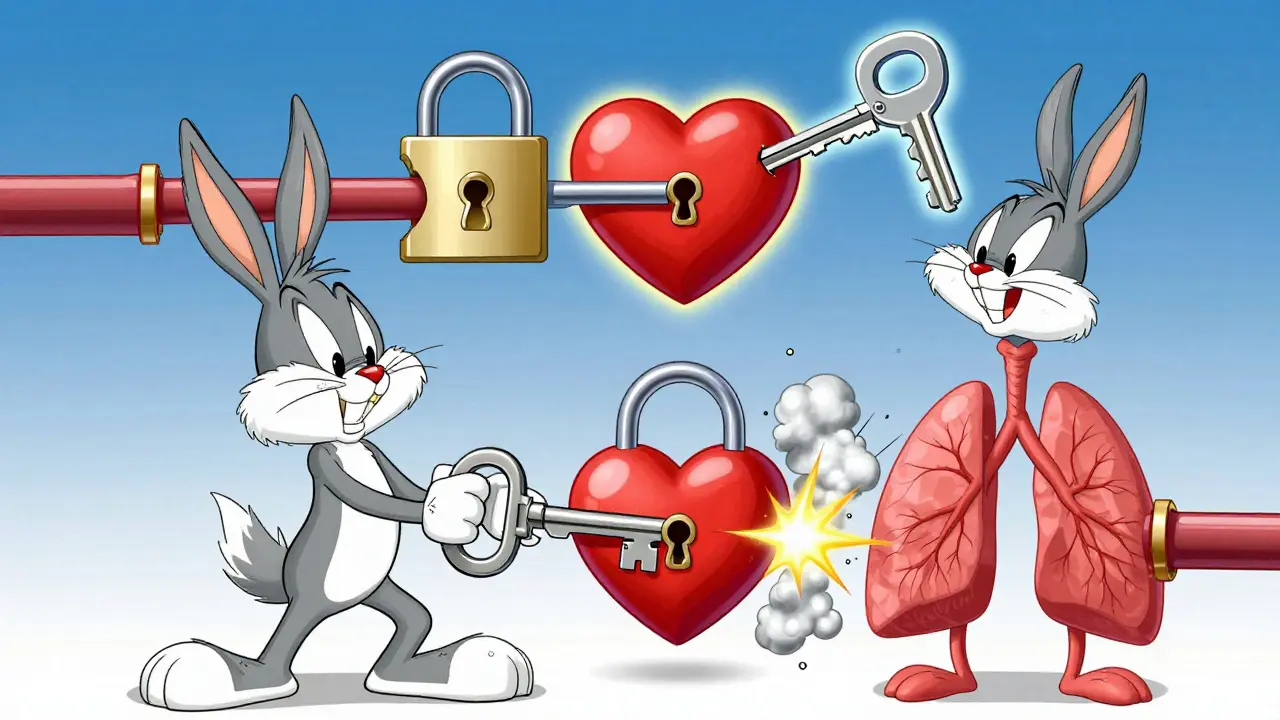
To understand why these drugs behave differently, we have to look at how they were built. Think of beta-blockers as keys designed to fit specific locks on your body's cells. These locks are called beta-adrenergic receptors. There are two main types: Beta-1 (found mostly in the heart) and Beta-2 (found in the lungs and blood vessels).
First-generation beta-blockers are non-selective agents that block both Beta-1 and Beta-2 receptors indiscriminately. The classic example here is propranolol. Because it blocks Beta-2 receptors in the lungs, it can cause bronchoconstriction. If you have asthma or COPD, this is dangerous. It essentially fights against the airways opening up. Other drugs in this class include nadolol and timolol.
Second-generation beta-blockers are cardioselective agents that primarily target Beta-1 receptors in the heart. Drugs like metoprolol, atenolol, and bisoprolol are designed to slow the heart rate without touching the lungs much. However, "selective" doesn't mean "exclusive." At higher doses, these drugs lose their selectivity and start blocking Beta-2 receptors too. This is why caution is still needed, but they are generally safer for people with mild respiratory issues than the first generation.
Third-generation beta-blockers add a twist to the formula. They block Beta-1 receptors but also have additional properties that help widen blood vessels. Carvedilol blocks Alpha-1 receptors, leading to vasodilation. Nebivolol stimulates Nitric Oxide production. This makes them particularly effective for heart failure because they reduce the workload on the heart while improving blood flow, rather than just slowing the pump down.
How Beta-Blockers Interact with Other Medications
The real danger often lies not in the beta-blocker itself, but in what you take alongside it. These interactions fall into three main categories: additive effects, antagonistic effects, and metabolic interference.
Additive Effects (The Double Whammy)
- Calcium Channel Blockers: Combining beta-blockers with non-dihydropyridine calcium channel blockers like diltiazem or verapamil can severely slow down your heart rate and conduction. This can lead to bradycardia (dangerously low heart rate) or heart block. Doctors usually avoid this combination unless closely monitored.
- Antiarrhythmics: Drugs like amiodarone or digoxin also slow the heart. Adding a beta-blocker increases the risk of severe rhythm disturbances.
- Sedatives: Benzodiazepines and opioids can enhance the hypotensive (blood pressure lowering) effect of beta-blockers, causing fainting or falls, especially in older adults.
Antagonistic Effects (Fighting Each Other)
- Beta-Agonists: This is critical for asthmatics. If you take a non-selective beta-blocker like propranolol, it will directly block the action of rescue inhalers containing albuterol or salmeterol. The inhaler tries to open the airways; the beta-blocker keeps them closed. The result? A breathing crisis that won't resolve. Even cardioselective beta-blockers require careful monitoring if used with inhalers.
- NSAIDs: Regular use of ibuprofen or naproxen can reduce the blood pressure-lowering effect of beta-blockers by about 30-50%. They cause fluid retention and vasoconstriction, countering the drug's benefits.
Metabolic Interference (Liver Enzymes)
Some beta-blockers are metabolized by the liver enzyme CYP2D6. Drugs that inhibit this enzyme, such as certain antidepressants (fluoxetine, paroxetine) or antiarrhythmics (quinidine), can cause beta-blocker levels to spike in your blood, leading to toxicity symptoms like extreme fatigue and low blood pressure.
Individual Drug Differences: Why One Size Does Not Fit All
Even within the same generation, individual drugs have unique profiles that affect who should take them. Let's look at the heavy hitters.
| Drug Name | Generation | Key Characteristic | Best For | Major Caution |
|---|---|---|---|---|
| Propranolol | 1st (Non-selective) | Lipophilic (crosses blood-brain barrier) | Anxiety, Migraines, Tremors | Asthma, Sleep Disturbances |
| Metoprolol | 2nd (Selective) | Cardioselective | Hypertension, Post-MI | Dose-dependent lung effects |
| Carvedilol | 3rd (Mixed) | Vasodilating + Antioxidant | Heart Failure (HFrEF) | Hypotension, Dizziness |
| Nebivolol | 3rd (Vasodilating) | Nitric Oxide mediated | Elderly Hypertension, ED-friendly | Cost, Limited HF data vs Carvedilol |
Propranolol is highly lipophilic, meaning it dissolves in fat and crosses the blood-brain barrier easily. This makes it great for performance anxiety or essential tremor because it calms the physical symptoms centrally. However, this same property causes more central nervous system side effects like vivid dreams, depression, and fatigue compared to hydrophilic drugs like atenolol.
Metoprolol comes in two forms: tartrate (short-acting, taken twice daily) and succinate (long-acting, once daily). The succinate form is crucial for heart failure because it provides steady coverage. Switching between them isn't a simple 1:1 dose swap; the pharmacokinetics differ significantly.
Carvedilol has been shown to reduce mortality in heart failure patients by roughly 35% compared to placebo. Its antioxidant properties protect the heart muscle from oxidative stress, a mechanism older beta-blockers lack. However, it can cause significant drops in blood pressure upon standing (orthostatic hypotension), so titration must be slow.
Nebivolol is unique because it improves endothelial function. Studies suggest it has fewer sexual side effects than traditional beta-blockers, which often cause erectile dysfunction due to reduced blood flow. For men over 50 concerned about quality of life, this is a significant differentiator.
Clinical Guidelines and Modern Usage
The role of beta-blockers has shifted dramatically in the last decade. In the 1990s, they were the go-to for everyone with high blood pressure. Today, guidelines from the American College of Cardiology (ACC) and the European Society of Cardiology (ESC) have demoted them for uncomplicated hypertension. Why? Because they don't reduce stroke risk as effectively as ACE inhibitors or ARBs, and they carry a higher risk of metabolic side effects like masking low blood sugar in diabetics.
However, they remain absolutely essential in specific scenarios:
- Post-Myocardial Infarction (Heart Attack): Beta-blockers reduce oxygen demand on the damaged heart and prevent future arrhythmias. They are standard care for at least one year post-event.
- Heart Failure with Reduced Ejection Fraction (HFrEF): Only three beta-blockers have proven mortality benefit in this group: bisoprolol, carvedilol, and metoprolol succinate. Using other beta-blockers here can actually worsen outcomes.
- Atrial Fibrillation: They are key for rate control, keeping the ventricular rate manageable during episodes of irregular heartbeat.
In 2023, the FDA approved enticarfone, a novel selective beta-1 antagonist, specifically for heart failure with preserved ejection fraction (HFpEF), showing a 22% reduction in hospitalizations. This signals a return to precision targeting in beta-blocker therapy, moving away from blunt instruments toward tailored molecular interventions.
Safety Tips and Patient Advice
If you are prescribed a beta-blocker, keep these practical points in mind:
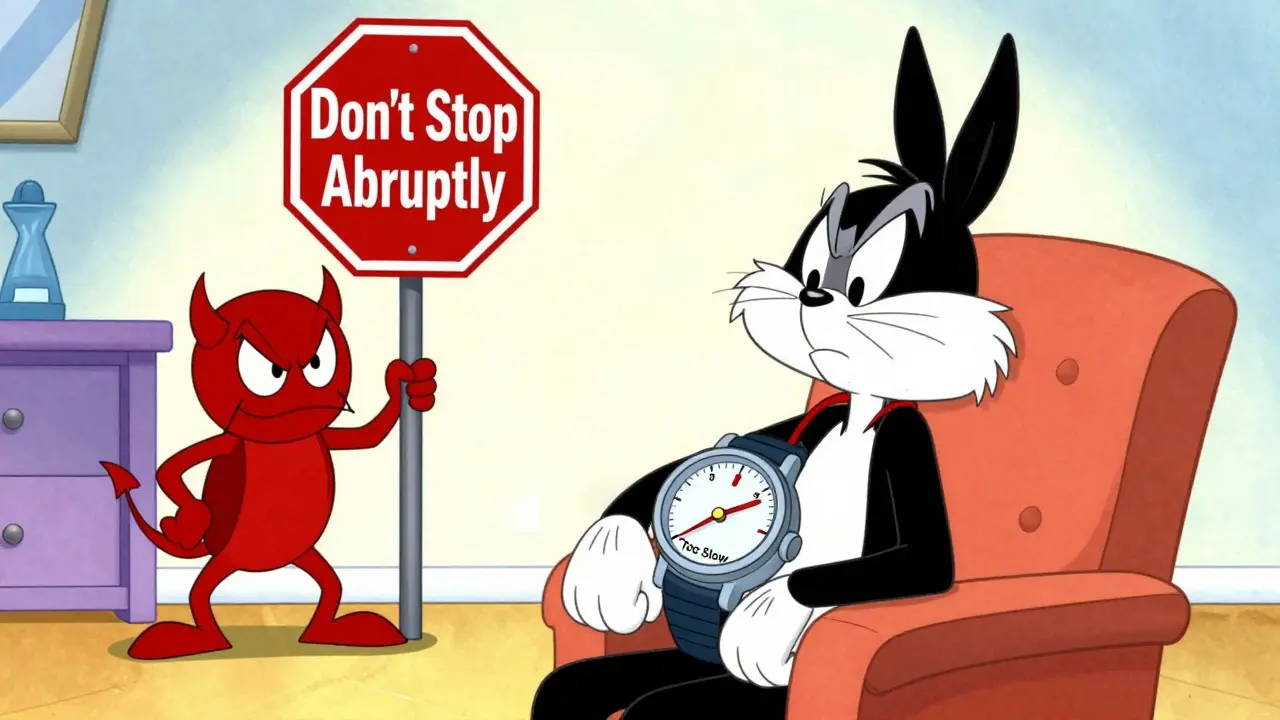
- Never Stop Abruptly: Stopping beta-blockers suddenly can cause "rebound hypertension" and increase the risk of heart attack by up to 300% within 48 hours. Always taper off under medical supervision.
- Monitor Your Pulse: Check your resting heart rate. If it drops below 50-55 beats per minute, or if you feel dizzy, contact your doctor. You may need a dose adjustment.
- Exercise Intolerance: Beta-blockers lower your maximum heart rate. You might feel out of breath faster during exercise. This is normal. Use perceived exertion (how hard it feels) rather than heart rate monitors to gauge intensity.
- Diabetes Masking: Beta-blockers can mask the tremors and palpitations associated with low blood sugar (hypoglycemia). Diabetics should monitor blood glucose levels more frequently rather than relying on physical symptoms.
- Check Labels: Over-the-counter cold medicines often contain pseudoephedrine, which raises blood pressure and heart rate, counteracting your beta-blocker. Stick to antihistamine-based decongestants if possible.
Frequently Asked Questions
Can I take beta-blockers if I have asthma?
Generally, non-selective beta-blockers like propranolol are contraindicated in asthma because they can trigger severe bronchospasm. Cardioselective beta-blockers (like metoprolol or bisoprolol) may be used with caution at low doses, but only under strict medical supervision. Third-generation agents like nebivolol may also be considered due to their nitric oxide-mediated vasodilation, which can offset some airway resistance, but this requires specialist evaluation.
Why did my doctor switch me from metoprolol to carvedilol?
This switch is common if you have been diagnosed with heart failure. While metoprolol succinate is effective, carvedilol offers additional benefits through alpha-blockade (vasodilation) and antioxidant properties. Clinical trials have shown carvedilol reduces mortality and hospitalizations more effectively in heart failure patients with reduced ejection fraction compared to many other beta-blockers.
Do beta-blockers cause weight gain?
Yes, modest weight gain (2-5 kg) is a known side effect, particularly with older, non-selective agents like propranolol. This occurs due to decreased metabolic rate and reduced calorie expenditure during exercise. Newer agents like nebivolol appear to have a neutral effect on weight and metabolism, making them a better option for weight-conscious patients.
Is it safe to drink alcohol while taking beta-blockers?
Moderate alcohol consumption is usually safe, but alcohol can potentiate the blood pressure-lowering effects of beta-blockers, leading to dizziness or fainting. Additionally, chronic heavy drinking can interfere with liver metabolism of certain beta-blockers, altering their effectiveness. It is best to limit intake and monitor how you feel.
Which beta-blocker is best for anxiety?
Propranolol is the most commonly prescribed beta-blocker for situational anxiety or performance anxiety. Because it is lipophilic, it crosses the blood-brain barrier effectively to reduce physical symptoms like trembling, rapid heartbeat, and sweating. It does not treat the psychological aspect of anxiety but helps manage the bodily response.