Welcome to the Health hub at MedRX-One. Whether you’re hunting for clear answers about a new prescription, looking for ways to stretch your prescription budget, or just curious about the latest wellness trends, you’ve landed in the right spot. Our articles skip the medical jargon and get straight to the facts you need to make smart choices.
We’ve gathered quick‑read guides on everything from blood‑pressure pills like Trandate (labetalol) to anxiety meds such as Ativan (lorazepam). Each piece breaks down how the drug works, the most common side effects, and practical tips for staying safe. If you’re dealing with depression, our Effexor (venlafaxine) overview tells you what to expect in the first weeks and how to handle any pesky stomach issues. Got questions about antipsychotics? The Thorazine deep dive explains why it’s still a reference point in mental‑health care.
Beyond the big‑name meds, we also cover niche topics like the role of calcitonin in boosting bone strength for athletes and how to monitor inflammation markers when switching off prednisolone. Each article is written for patients and professionals alike, so you’ll find the level of detail that suits you.
Prescription costs can feel like a hidden tax, especially if you’re on Medicare. Our “How to Save More on Prescriptions” guide walks you through Part D basics, the Extra Help program, and why GoodRx isn’t always the best fit for Medicare users. We also list hybrid discount plans that can shave dollars off your monthly meds without breaking the law.
Looking for a natural boost? Check out our superfood spotlight on scurvy grass – a vitamin C powerhouse that’s been used by sailors for centuries. It’s a simple supplement you can add to smoothies, and we explain the exact nutrients that make it worth a try.
For skin‑care fans, the Isotretinoin (Isofair) guide gives you a real‑world rundown of acne treatment, safety steps, and what to watch for during a course. If you’re exploring acne alternatives without Isotroin, our 2025 options list the latest sulfonamide antibiotics and how they stack up.
All of these reads share one goal: give you useful, actionable information fast. No fluff, no endless tables – just the facts you can apply today. Bookmark the page, scan the headlines that catch your eye, and dive into the full articles whenever you need a quick refresher.
Got a health question that isn’t covered here? Our community of pharmacists and writers are always adding new topics, so keep checking back. Your health journey is personal; let us be the reliable guide you can trust for every step.
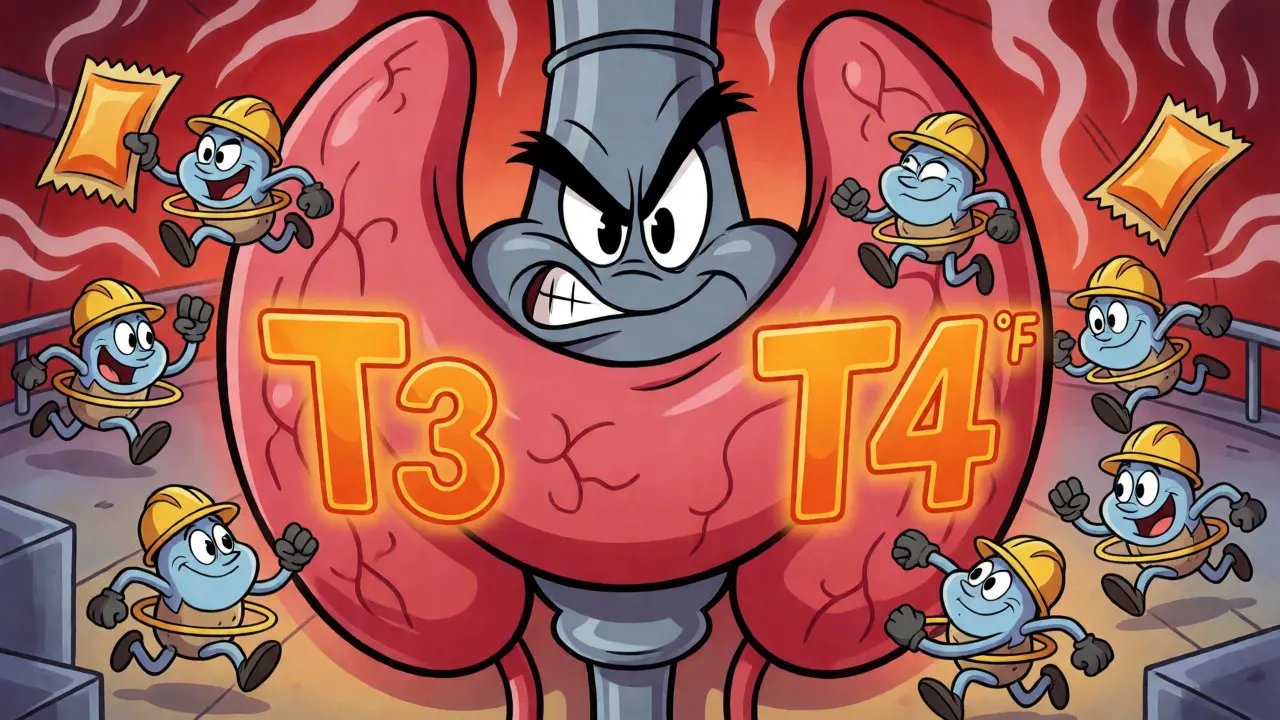
Thyroid storm is a life-threatening endocrine emergency caused by extreme hyperthyroidism. Learn about its symptoms, triggers, and critical ICU management strategies to understand how rapid intervention saves lives.

Explore mononucleosis symptoms, Epstein-Barr virus transmission, and effective fatigue management strategies. Learn how to prevent splenic rupture and navigate a safe recovery.

Learn how to prevent computer vision syndrome and digital eye strain with proven strategies like the 20-20-20 rule, ergonomic setups, and expert advice on blue light glasses.

Discover how cognitive biases like confirmation bias distort your decisions. Learn the neuroscience behind belief-based responses and practical strategies to mitigate errors in health, finance, and daily life.

Learn how to safely dispose of sharps and needles from injected medications. This guide covers FDA-approved containers, storage tips, and disposal options to prevent injuries and infections.

Explore upper airway stimulation, an implantable therapy for sleep apnea patients who cannot tolerate CPAP. Learn about eligibility, surgery, costs, and effectiveness.

Learn how to distinguish benign from cancerous thyroid nodules, understand the Bethesda System, and know when a biopsy is truly necessary based on latest medical guidelines.

Manage allergic rhinitis effectively with proven strategies for seasonal and perennial allergies. Learn about intranasal corticosteroids, antihistamines, immunotherapy, and essential environmental controls to reduce symptoms and improve quality of life.

Learn how to create and use a medication log to prevent accidental overdose errors. Discover essential tracking elements, format choices, and safety protocols for safe medication management.

Patent expiration isn't uniform globally. Learn how the 20-year TRIPS standard works, how PCT filings affect timelines, and why maintenance fees and regional extensions like SPCs determine your actual monopoly length.