
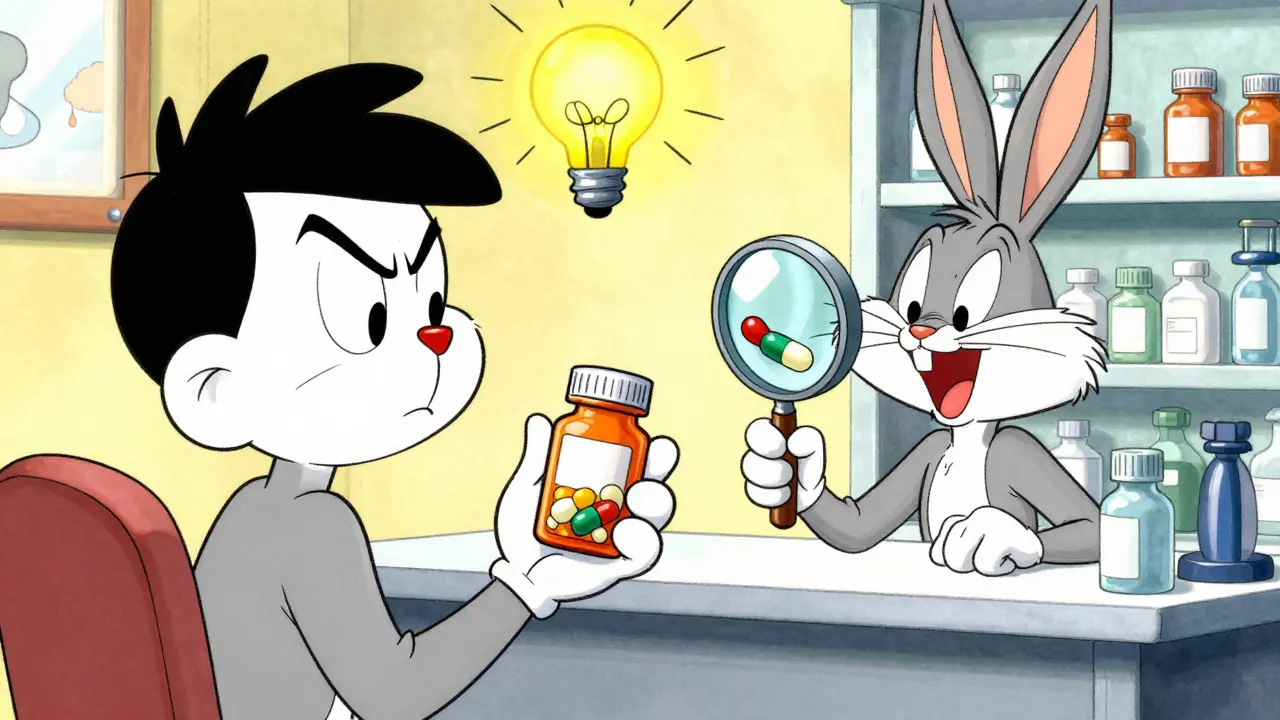
In 2020, generic drugs saved the U.S. healthcare system nearly $2 trillion over a decade. Yet, 43% of Americans still believe these medications are less effective than brand-name drugs. This gap between facts and perception is exactly where consumer language guides come in-simple tools that turn confusing drug info into clear, actionable knowledge.
What Are Consumer Language Guides?
Consumer language guides are plain-language resources designed to explain generic drug information in everyday terms. Developed by pharmacies, healthcare systems, and government agencies like the FDA, a generic drug is defined as 'medication created to be the same as an already marketed brand-name drug in dosage form, safety, strength, route of administration, quality, performance characteristics, and intended use.', these guides address common myths and translate technical terms like 'bioequivalence' into relatable concepts. For example, they compare brand-name drugs to store-brand products: 'Tylenol is to acetaminophen as Kleenex is to tissues.'
Key Elements of Effective Generic Drug Information
Good language guides focus on three core facts. First, active ingredients must match exactly between brand and generic drugs. A 500mg amoxicillin pill contains the same antibiotic in both versions. Second, they clarify bioequivalence standards: generics must deliver 80-125% of the brand’s blood concentration. This range ensures the drug works the same way. Third, they explain inactive ingredients-like dyes or fillers-can differ but don’t affect safety or effectiveness. For instance, a generic might use lactose instead of sugar as a filler, which matters only for people with specific allergies.
| Feature | Brand Name (Nexium) | Generic (Esomeprazole) |
|---|---|---|
| Active Ingredient | esomeprazole | esomeprazole |
| Strength | 20mg or 40mg | 20mg or 40mg |
| Dosage Form | capsule | capsule |
| Cost | $300 per month | $15 per month |
| Notes | Proprietary formula | Approved by FDA as bioequivalent |
Real-World Examples That Work
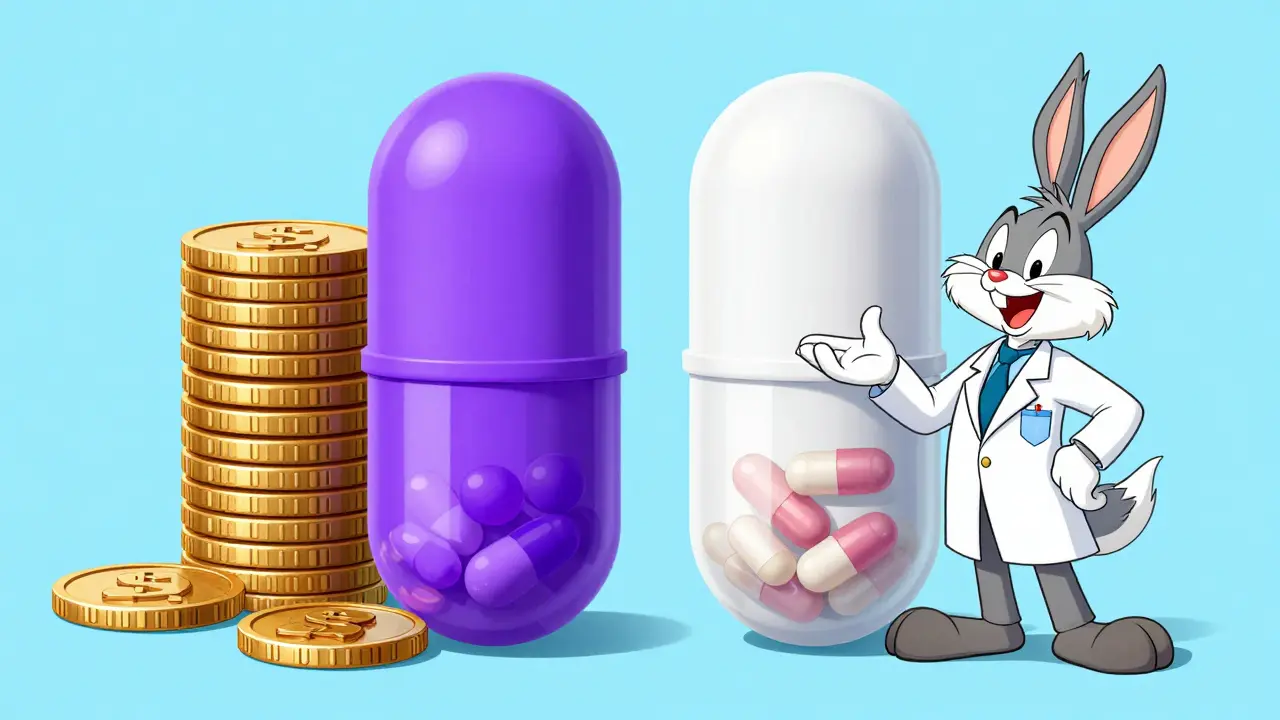
The FDA’s 'What’s In a Name?' chart shows how chemical names like N-(4-hydroxyphenyl) acetamide translate to 'acetaminophen' and then 'Tylenol.' Pharmacies like CVS and Walgreens include side-by-side images of brand and generic packaging. One common visual compares Nexium (purple capsule) to its generic esomeprazole (white capsule), with labels clearly stating both contain the same active ingredient. A 2023 Pharmacy Times survey found 73% of patients found these visual comparisons helpful for understanding differences.
Addressing Common Misconceptions
Not all generics are identical. Medications with narrow therapeutic index-like levothyroxine for thyroid issues or phenytoin for seizures-require extra caution. Small differences in blood levels can affect treatment. The FDA withdrew one generic version of Wellbutrin XL in 2012 after it failed bioequivalence tests. Good language guides specify these exceptions, saying 'For thyroid medication, stick to one manufacturer to ensure consistent dosing.' Authorized generics (brand-name drugs sold under generic labels) also have special notes: CVS Caremark data shows they have 28% lower switch-back rates than traditional generics.
How to Use These Guides Effectively
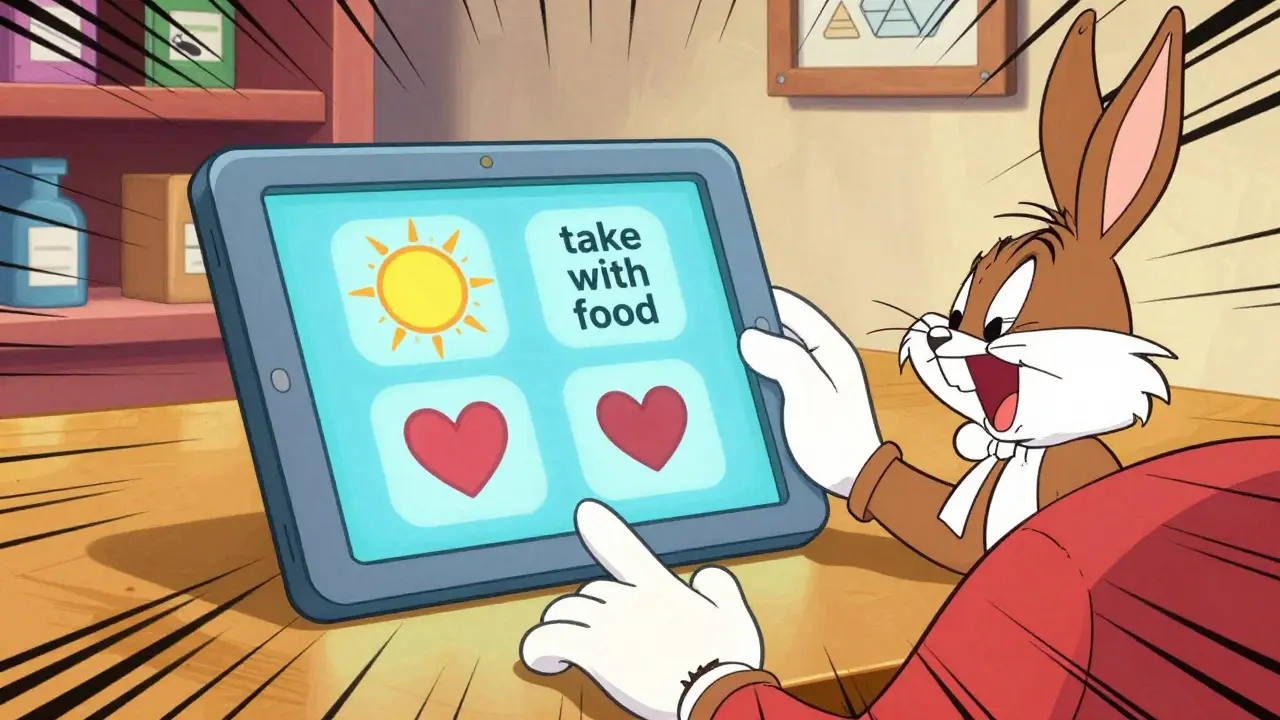
When picking up a generic prescription, ask your pharmacist: 'What’s the active ingredient?' and 'Is there anything different about this version?' Use the 'teach-back' method: repeat the information back to confirm understanding. The CDC recommends keeping explanations under 500 words with active voice-like 'Take this medicine with food' instead of 'This medicine should be taken with food.' Pharmacists trained in plain-language communication spend 90 seconds explaining three key points: identical active ingredients, same clinical effects (FDA requires 80-125% blood concentration equivalence), and cost savings (average $387 per prescription annually).
The Future of Generic Drug Education
New tools are emerging fast. In 2023, the FDA launched a $4.7 million initiative for medication-specific guides targeting narrow therapeutic index drugs. Kaiser Permanente is testing AI tools that adjust explanations based on your literacy level. By 2026, 60% of generic education may come from electronic health records, personalized to your medication history. These innovations aim to close the gap between scientific facts and patient understanding-helping people make informed choices without jargon.
Are generic drugs always as effective as brand-name drugs?
For most medications, yes. The FDA requires generics to have the same active ingredient, strength, and dosage form as the brand. They must also deliver 80-125% of the brand’s blood concentration. However, a few drugs like levothyroxine or phenytoin need special attention because small differences can affect treatment. Always check with your pharmacist about specific medications.
Why do some generics look different from the brand?
Inactive ingredients like colorants or fillers can vary. These changes don’t affect how the drug works but might help with allergies or manufacturing. For example, a generic might use a different dye to avoid a red color some patients are sensitive to. The FDA ensures these differences have no clinical impact.
Can I trust generic drugs for serious conditions like heart disease?
Yes. A 2016 New England Journal of Medicine study of 8,635 patients found generic statins like atorvastatin (Lipitor’s generic) had identical outcomes to brand-name versions for treating heart disease. The FDA rigorously tests all generics for safety and effectiveness before approval.
What’s an 'authorized generic'?
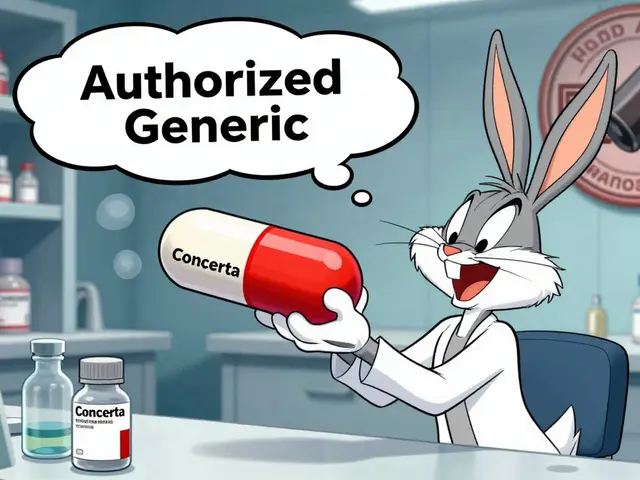
An authorized generic is a brand-name drug sold without the brand name. For example, the generic version of Lipitor is made by Pfizer (the brand’s manufacturer) but sold under a generic label. These have 28% lower switch-back rates than traditional generics because they’re identical in every way to the brand-down to the packaging and fillers.
How do I know if my generic drug is safe?
Check the FDA’s 'Generic Drugs' webpage for recalls or safety alerts. Your pharmacist can verify if your generic is approved and meets bioequivalence standards. For medications like levothyroxine, ask if your prescription specifies a particular manufacturer to ensure consistency. The FDA requires all generics to pass strict tests before hitting the market.


divya shetty
February 5, 2026 AT 19:19Stop being dumb about generics! They're identical to brand names. FDA says so. Deal with it.
Phoebe Norman
February 7, 2026 AT 15:15Bioequivalence 80-125% generics work same brand no issue
Jennifer Aronson
February 9, 2026 AT 06:36I've worked in Indian pharmacies. Generics there are identical and save so much money. No issues.
Kate Gile
February 11, 2026 AT 00:52Generics save so much money without compromising quality. It's a win-win for everyone.
Johanna Pan
February 12, 2026 AT 08:04Generics are awesom and help people save money. They work great, trust me!
Sam Salameh
February 14, 2026 AT 04:52America's generics are top-notch. They save billions and work better than other countries' versions.
Nancy Maneely
February 15, 2026 AT 18:56Generics are a scam! Some companies cut corners, but FDA says they're good. I don't trust them.
Albert Lua
February 16, 2026 AT 02:16In my experience, generics are the way to go. They work great and save money. Everyone should use them!
Dr. Sara Harowitz
February 18, 2026 AT 01:27Generics are perfectly safe!
The FDA tests them rigorously before approval.
Every single one has to meet strict standards.
People who doubt them are just spreading misinformation.
Look at the data: 43% of Americans think generics are less effective, but that's not true.
The active ingredients are identical.
The only differences are in inactive ingredients, which don't affect the drug's performance.
For example, a generic might use a different dye, but that's just for appearance.
The FDA requires bioequivalence testing to ensure they work the same.
In fact, a study in the New England Journal of Medicine found that generic statins had identical outcomes to brand names for heart disease.
Pharmacists are trained to explain this clearly.
You should always ask your pharmacist about your prescription.
Trust the science, not the myths.
It's a no-brainer: generics save money without sacrificing quality.
Everyone should use them.