

The Reality of Liver Disease Today
Your liver is the body’s hardest worker, yet many ignore it until symptoms appear. Imagine a filter that never stops running; eventually, it clogs if you keep feeding it trash. That’s exactly what happens in conditions like Metabolic Dysfunction-Associated Steatotic Liver Disease, formerly known as NAFLD. By March 2026, we understand better than ever that medication alone isn't the silver bullet. Evidence shows dietary intervention improves liver enzymes by 20-30% within a year. You don't need a prescription to start fixing this; you just need to change what lands on your plate.
What Exactly Is a Liver-Healthy Diet?
It sounds fancy, but a Liver-Healthy Diet isn't some secret code. It is simply an eating pattern proven through decades of clinical research to lower inflammation and reduce fat buildup inside your organs. Unlike fad diets promising overnight miracles, this approach relies on consistency. Current guidelines from major organizations emphasize that no single "magic food" exists. Instead, the focus is on a comprehensive nutritional pattern that tackles underlying metabolic issues like insulin resistance. If you want to reverse fibrosis or prevent cirrhosis, your grocery list matters more than your pillbox.
Why the Mediterranean Pattern Wins
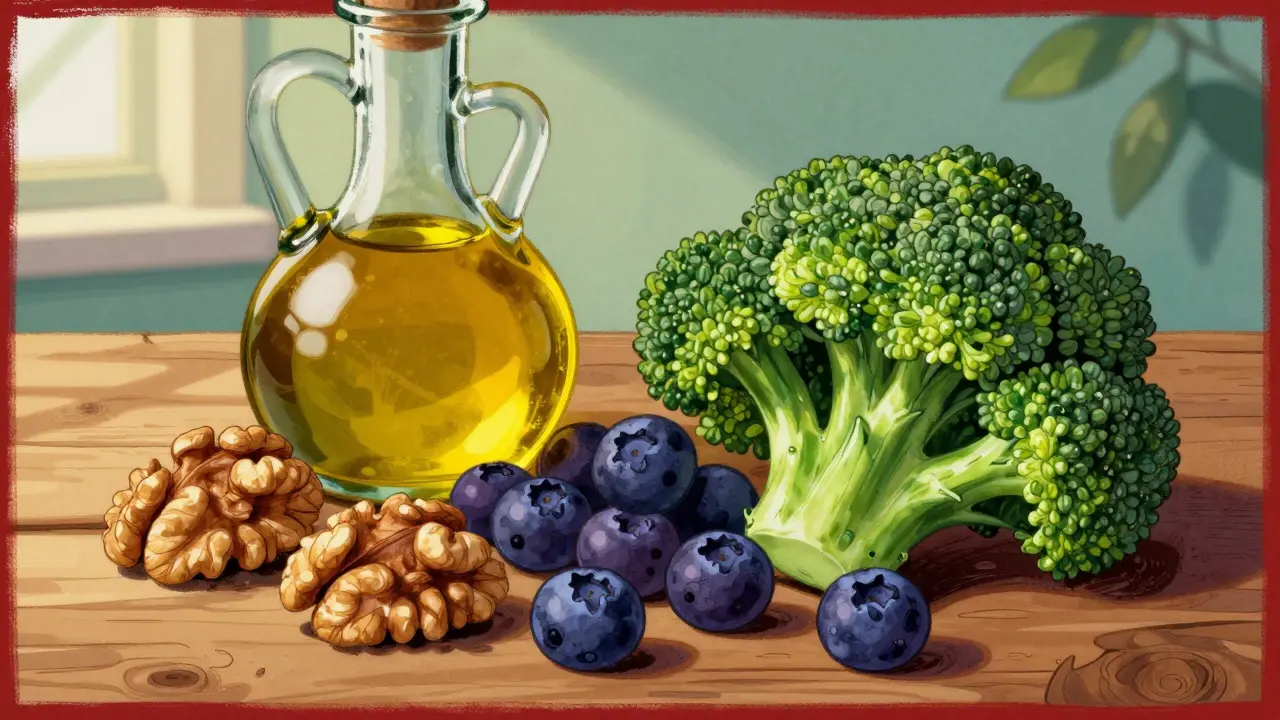
If you ask a specialist in Brisbane or Boston, they’ll likely tell you the same thing: the Mediterranean diet is currently the gold standard. This wasn’t just a theory; a landmark study published back in 2013 in Hepatology demonstrated significant reductions in liver fat using this pattern. Since then, multiple trials have confirmed its value. In 2024, updated clinical reviews still place this approach at the top of the hierarchy. Why does it work? It balances blood sugar naturally and floods your system with anti-inflammatory compounds. For instance, Monounsaturated Fatty Acids (MUFAs) found in olive oil help decrease very low-density lipoproteins, a type of fat that contributes to liver stress.
The Numbers Behind the Food
Vague advice like "eat healthy" doesn't cut it when your liver is struggling. Let's look at the breakdown recommended by experts. Your daily calories should ideally come from specific sources:
- Complex Carbohydrates: These should make up 40-50% of your intake. Think whole grains, beans, and starchy vegetables. They digest slowly, preventing blood sugar spikes that burden the liver.
- Fat Intake: Keep total fat below 30% of your daily calories, but ensure quality matters. MUFAs should constitute about 40% of your total energy intake.
- Protein: Aim for 15-20% of total energy. About three ounces of lean protein per meal is a solid visual target-roughly the size of a deck of cards.
Foods to Embrace for Maximum Benefit
Evidence suggests certain superstars perform exceptionally well for hepatic health. Don't rely on marketing claims; look at the chemistry. Walnuts, for example, are a powerhouse. Research indicates that consuming 30 grams of walnuts daily can decrease LDL cholesterol by 15% in patients with fatty liver. Cruciferous vegetables like broccoli and cauliflower contain indole-3-carbinol, a compound shown to reduce liver fat by 18% over six months. Blue and purple fruits are also non-negotiable. Anthocyanins, the pigments giving berries their color, reduce liver inflammation by 25% in clinical trials. Professor Jacob George from Westmead Hospital emphasizes eating different colored foods to ensure diverse phytonutrient intake. If you enjoy tea, green tea is another ally, though coffee has been even more heavily validated in recent literature for protecting against liver damage.

The Hidden Dangers Hiding in Plain Sight
Sugar isn't always obvious. You might think you aren't eating sweets, but sugary beverages contribute 150-200 calories per serving, often loaded with fructose which goes straight to the liver for processing. Eliminating these drinks is arguably the most impactful step you can take. Beyond sugar, sodium is a factor, particularly if you have fluid retention issues associated with advanced liver conditions. Limit sodium to under 2,000mg daily. Trans fats are the big enemy. These artificial fats, often listed on labels as "partially hydrogenated oils," offer zero benefit and cause immediate harm. Many processed snacks hide them, so label literacy is a crucial skill. Learning to spot hidden sugars like dextrose or maltose on ingredient lists can save your liver from unnecessary load.
Real-World Application Challenges
Knowing what to eat is easy; sticking to it is hard. Patient forums reveal that cost and time are the biggest hurdles. Data shows a Mediterranean-style meal costs about $1.50 more per day compared to a standard diet. While this seems manageable, it adds up for families. However, smart swaps bridge the gap. Frozen vegetables often retain nutrients better than fresh ones and are cheaper. Batch cooking on Sundays allows you to control portions and ingredients for the week ahead. Social pressure is another barrier. Reports indicate social isolation affects adherence rates. If you eat out often, bring your own dressing, or choose grilled fish over battered options. Remember, you don't need perfection. Studies show that even partial adherence yields results. One Reddit survey found that 68% of users felt more energetic within three months of switching their habits.
When Diet Isn't Enough
There are nuances depending on the stage of the disease. For those with early-stage disease, aggressive dietary changes can lead to remission. However, in advanced cirrhosis cases, protein needs adjustment. While low-protein diets used to be the rule, modern research suggests adequate protein prevents muscle wasting, which worsens prognosis. You must consult your hepatologist before making drastic shifts if you have complications like encephalopathy. The goal remains reducing hepatic fat accumulation, decreasing inflammation, and preventing fibrosis progression.
How quickly can I see results changing my diet for liver disease?
Research indicates that liver enzymes can improve by 20-30% within 6 months. Significant reductions in liver fat content typically appear between 6 to 12 months of consistent dietary intervention. Some patients report higher energy levels much sooner, often within 3 months.
Is the Mediterranean diet safe for everyone with liver issues?
Generally, yes. However, individuals with advanced cirrhosis may need to adjust protein intake. Dr. Elizabeth Cobb notes that while ideal, accessibility issues exist. Always consult a doctor to tailor the plan to your specific fibrosis stage and kidney function.
Can I drink alcohol if I am following a liver-healthy diet?
For most liver disease patients, abstinence is the safest choice. Alcohol places immense strain on damaged liver cells. Even small amounts can interfere with fat metabolism and increase inflammation. Complete avoidance is generally recommended during active treatment phases.
Are detox juices effective for healing the liver?
No. The American Liver Foundation states there is zero scientific evidence supporting liver detox diets. Your liver detoxifies itself. Juice cleanses often contain high sugar loads that can actually worsen fatty liver disease.
What are the cheapest ways to maintain a liver-friendly diet?
Focus on seasonal produce, canned legumes, and frozen vegetables instead of fresh. Buying staples like olive oil and oats in bulk helps. Swapping meat for plant proteins like lentils can significantly reduce costs while maintaining fiber benefits.



Devon Riley
March 26, 2026 AT 22:16I really hope this information helps everyone navigate their health journey more confidently 🌟 It is amazing to see how much impact small changes can have over time. Staying positive while making these shifts is half the battle right there. You don't have to do it perfectly to see results. Just keeping consistency is what truly matters for your body systems. Everyone deserves to feel energized and strong in their daily life.
kendra 0712
March 28, 2026 AT 00:45This is SO important!!! I never realized how big of a deal sodium was until now!!!!!
Sabrina Herciu
March 29, 2026 AT 10:44You are absolutely correct about the sodium levels. Fluid retention complicates things significantly. It is vital to monitor intake strictly during active phases. Clinical guidelines suggest 2000mg is the ceiling for most patients. Please consult your provider before restricting too aggressively though.
Jordan Marx
March 29, 2026 AT 23:24You really need to understand the underlying metabolic dysregulation driving these conditions. Insulin resistance acts as a primary catalyst for hepatic fat accumulation. Without addressing the glucose handling inefficiencies, dietary fat intake remains problematic regardless of volume. Many people focus too heavily on macronutrient ratios without considering the quality of the substrates involved. VLDL secretion rates increase significantly when fructose load exceeds hepatic processing capacity. This creates a bottleneck that forces lipid storage within hepatocytes instead of oxidation pathways. Fibrosis progression occurs because chronic inflammation recruits stellate cells to initiate collagen synthesis. We see this clearly in patients who maintain high sugar intake despite reducing overall caloric consumption. The Mediterranean pattern works because it stabilizes postprandial glycemic excursions effectively. Olive oil polyphenols upregulate antioxidant defenses against oxidative stress in liver tissue. Cruciferous vegetables provide specific enzymatic inducers that aid phase II detoxification processes. Indole-3-carbinol helps clear toxins that would otherwise exacerbate cellular damage. Protein adequacy is crucial to prevent sarcopenia which further worsens metabolic flexibility. Adequate amino acid supply supports urea cycle function and prevents ammonia toxicity issues. Ultimately sustainable remission requires systemic metabolic repair rather than isolated nutrient elimination. Adherence matters more than perfection in maintaining long-term clinical outcomes.
Rohan Kumar
March 31, 2026 AT 00:26Oh great, more corporate funded diet advice disguised as science. They want you to buy expensive olive oil instead of treating the root cause. Big Pharma doesn't care if you eat less sugar. 😒 Just another way to keep you dependent on the system.
tyler lamarre
April 1, 2026 AT 18:41Your cynicism is actually quite amusing but completely misplaced. Real research backs these numbers. People who cannot handle evidence usually cling to conspiracies.
Debra Brigman
April 2, 2026 AT 08:59The alchemy of nutrition transforms our very souls with every bite we choose to consume. A kaleidoscope of greens and berries paints a vibrant tapestry of internal healing. Each meal becomes a ceremonial offering to the fortress within our abdomen.
Sophie Hallam
April 3, 2026 AT 14:07I appreciate the focus on realistic adjustments rather than extreme restrictions. It is important to respect personal boundaries and family dynamics when changing habits. Small steps forward are still movement.
Tony Yorke
April 4, 2026 AT 06:50Just cut the sugary drinks and eat real food.
Poppy Jackson
April 4, 2026 AT 20:06The sheer drama of modern processed foods is enough to make anyone despair. Our livers are screaming under this burden of industrial flavourings. We simply need to return to nature immediately.
Aaron Olney
April 6, 2026 AT 02:13Thats so true! My live hurts somtimes after eating junk. I try to be healty but its hard. You guys know what ur talking about. Thanks for sharing this info for us.
Philip Wynkoop
April 7, 2026 AT 14:37Sticking with it is definitely the key takeaway here 👍 Good luck everyone trying this out.