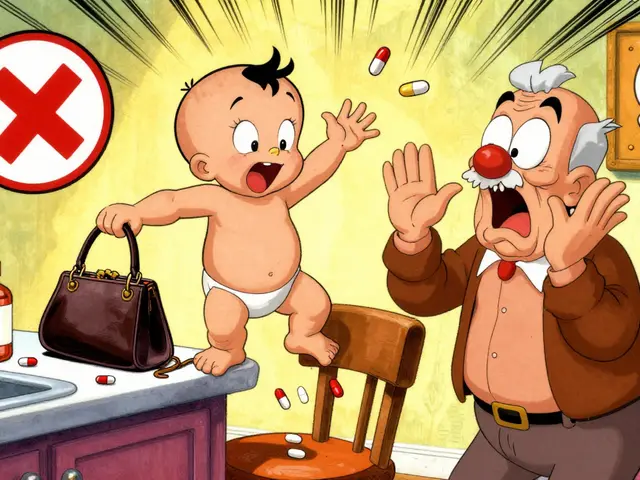
Every day, a preventable mistake with a pill or injection leads to hospitalization or worse. Medication errors are not just bad luck; they are systemic failures that happen in hospitals, clinics, and living rooms. Whether you are a nurse scanning a barcode or a grandparent managing five different bottles of pills, the risk is real. The World Health Organization defines these events as situations where inappropriate medication use causes harm while under the control of healthcare professionals or patients. With costs estimated at $42 billion annually globally, understanding how to stop these mistakes is no longer optional-it’s essential.
The Scale of the Problem: Why It Matters Now
You might think modern medicine has solved this issue, but the data tells a different story. In the United States alone, medication errors harm at least 1.5 million people every year. That translates to roughly one death per day directly linked to preventable drug injuries. For patients aged 75 and older taking five or more medications, the risk jumps by 38%. This isn’t just about forgetting a dose; it’s about complex interactions, confusing labels, and workflow gaps that technology hasn’t fully fixed yet.
- Hospital Setting: High-alert medications like insulin, anticoagulants, and opioids account for 62% of severe errors.
- Home Setting: 89% of home errors involve seniors on polypharmacy (multiple drugs), often due to incorrect timing or dosage confusion.
- Financial Impact: Extra medical costs from hospital-related drug injuries hit $3.5 billion yearly in the US alone.
Hospital Defense Lines: Technology That Actually Works
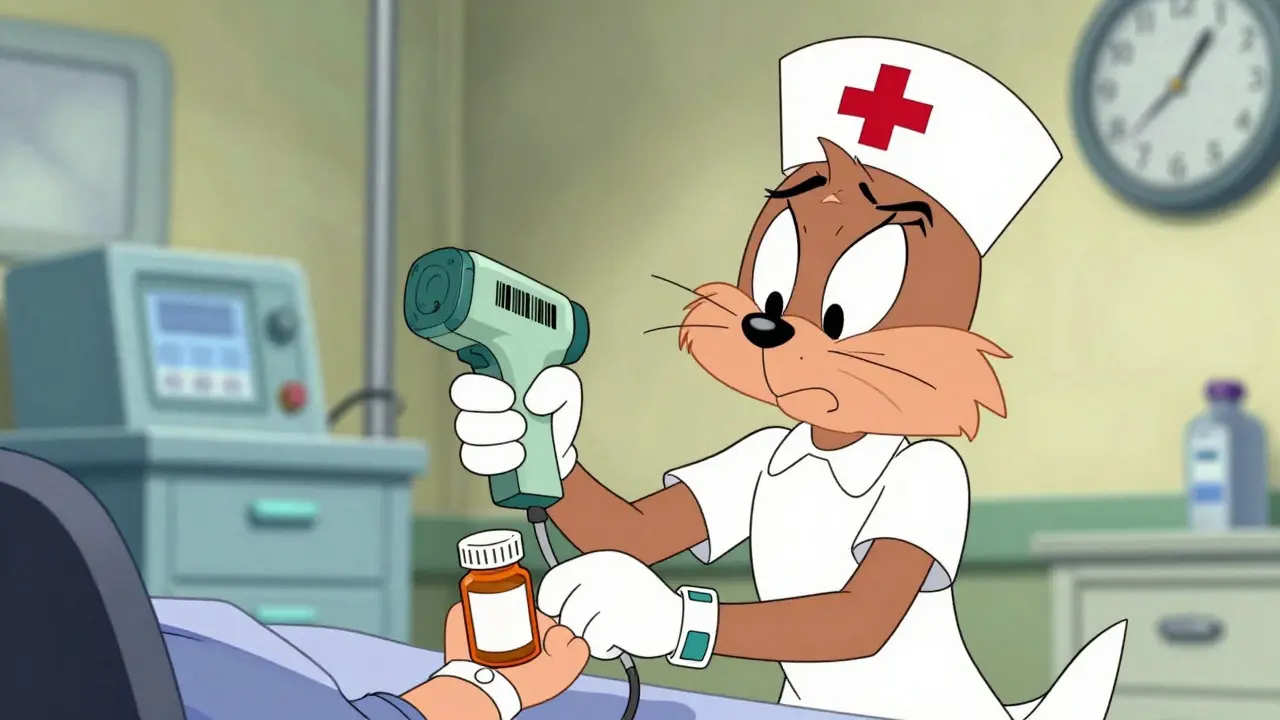
In hospitals, the first line of defense is digital. Barcode Medication Administration (BCMA) systems require nurses to scan both the patient’s wristband and the medication before administration. A 2025 study in JMIR showed this cut dispensing error rates by nearly 44%, specifically reducing wrong-drug errors by over 56%. It sounds simple, but implementation is tricky. If barcodes are damaged or if staff rush through the process, the system fails. In fact, improper setup can introduce new types of errors, such as scanning the wrong bottle because two look identical.
Beyond scanning, Computerized Physician Order Entry (CPOE) acts as a digital brain for prescribing. When doctors type orders into the system instead of writing them by hand, illegibility disappears. Combined with clinical decision support, CPOE reduces errors by at least 50%. However, there is a catch: alert fatigue. If the computer beeps too often for minor issues, doctors start ignoring the warnings. A 2024 study found that 42% of clinicians bypass medication alerts entirely because they are overwhelmed. The key is tuning the system so only critical risks trigger a loud alarm.
| Technology | Primary Function | Error Reduction Impact | Main Challenge |
|---|---|---|---|
| BCMA | Verifies right patient/drug/dose via scanning | ~44% reduction in dispensing errors | Workflow slowdowns and workaround habits |
| CPOE | Digital prescribing with interaction checks | ~50% reduction in prescribing errors | Alert fatigue leading to ignored warnings |
| Medication Reconciliation | Comparing old vs. new meds during transitions | Significant drop in adverse events | Poor accuracy at discharge without pharmacist help |
At-Home Safety: Beyond the Pill Organizer
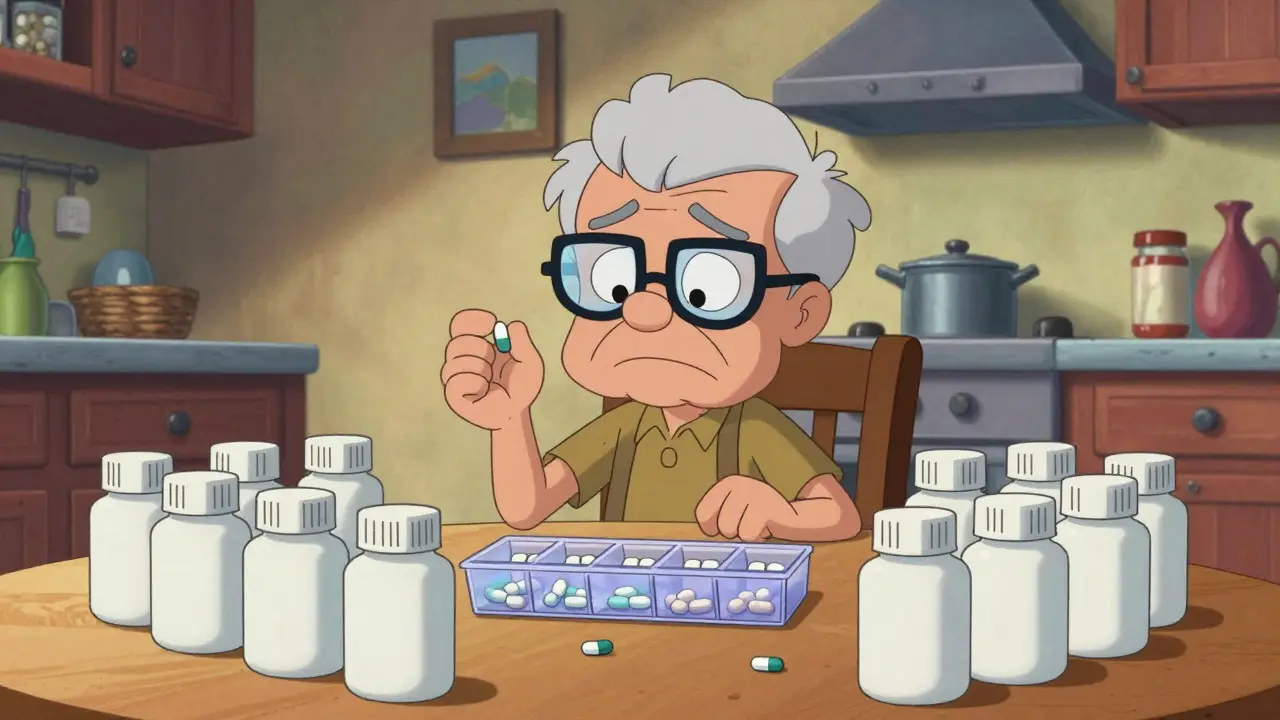
Now, let’s talk about your kitchen table. Many people rely on plastic pill organizers, assuming they eliminate mistakes. The reality? They only reduce errors by 15-20%. For patients over 65, 72% still make at least one dosing error monthly even with these tools. The main culprit? Confusion between multiple containers. If you have three white tablets that look identical, a box doesn’t tell you which one goes in the morning slot versus the evening slot.
To get real safety at home, you need structure, not just storage. The National Institutes of Health suggests that single-dose packaging-where each dose is pre-sorted by a pharmacy-reduces errors by 28%. Even better is having a weekly review with a pharmacist. A 2023 study in the Annals of Internal Medicine found this simple habit cuts home errors by 37% in elderly patients. It turns medication management from a solitary guesswork exercise into a collaborative check-in.
The Human Factor: Training and Workflow
Technology fails when humans work around it. In hospitals, nurses report that BCMA adds 15-20 minutes to every medication round. When time pressure mounts, shortcuts appear. Staff might scan one pill and assume the rest are correct, or they might batch-scan multiple drugs at once, defeating the purpose of individual verification. To fix this, training must go beyond “how to press the button.” Effective programs include 16-20 hours of scenario-based simulation, helping staff handle high-stress situations calmly. During the first 3-6 months of implementation, error rates might actually rise by 12-15% as teams adjust. This is normal, but it requires patience and dedicated “super-users” who help troubleshoot daily.
High-Risk Zones: Where Errors Hide
Not all medications carry the same weight. High-alert drugs-like insulin, blood thinners, and opioids-cause most severe harm. These require extra safeguards, such as double-checks by two independent nurses. Similarly, care transitions are dangerous. Moving from hospital to home or from clinic to rehab is where information gets lost. Medication reconciliation is the process of comparing what you were taking before admission with what you’re leaving with. Without a pharmacist leading this process, discrepancies are common. If you’ve ever been discharged with a list that didn’t match what you took in, you’ve experienced a reconciliation failure.

Practical Checklist for Patients and Caregivers
You don’t need to be a doctor to improve safety. Here are concrete steps you can take today:
- Simplify Your Schedule: Work with your doctor to align doses. Taking everything at 8 AM and 8 PM is safer than scattered times throughout the day.
- Use Single-Dose Blister Packs: Ask your pharmacy about blister card packaging. It physically prevents taking the wrong pill for the wrong time.
- Maintain a Master List: Keep a written or digital list of all prescriptions, over-the-counter drugs, and supplements. Update it every time a doctor changes something.
- Ask About Interactions: Before adding a new supplement or painkiller, ask specifically: “Does this interact with my current meds?”
- Verify Online Pharmacies: Be wary of online sellers. Approximately 95% of illegal online pharmacies sell substandard drugs. Stick to licensed providers or verify credentials rigorously.
Future Directions: AI and Blockchain
We are moving toward smarter prevention. Hospitals are piloting AI systems that predict potential errors before they happen. One trial at Johns Hopkins reduced high-risk prescribing errors by 53% using predictive analytics. Meanwhile, blockchain technology is being tested to authenticate drugs, ensuring that the pill you buy is exactly what it claims to be. While these technologies are still rolling out, the core principle remains unchanged: safety comes from combining smart tools with careful human oversight.
Do pill organizers really prevent medication errors?
They help, but only modestly. Studies show they reduce errors by just 15-20%. They are best used alongside other strategies like single-dose packaging and regular pharmacist reviews, especially for patients taking multiple medications.
What is the biggest cause of medication errors in hospitals?
Workflow interruptions and alert fatigue are major contributors. When technology creates too many warnings or slows down nursing rounds, staff may develop workarounds that bypass safety checks. High-alert drugs like insulin and opioids also pose specific risks due to their narrow therapeutic index.
How can I prepare for hospital discharge to avoid medication mistakes?
Request a medication reconciliation session with a pharmacist before you leave. Bring your current pill bottles to compare. Ask for a printed summary of any changes made during your stay, and clarify exactly how to take each new or adjusted medication.
Are online pharmacies safe for buying prescription drugs?
It depends. Many operate illegally and sell substandard or falsified drugs. Look for verified accreditation seals and ensure they require a valid prescription. If a price seems too good to be true, it likely is. Sticking to local, licensed pharmacies is the safest bet.
Why do error rates sometimes increase after installing new safety technology?
This is a known phenomenon called the learning curve effect. As staff adapt to new workflows, temporary inefficiencies and new types of mistakes can occur. This usually resolves within 3-6 months with proper training and support, but initial monitoring is crucial to guide adjustments.