
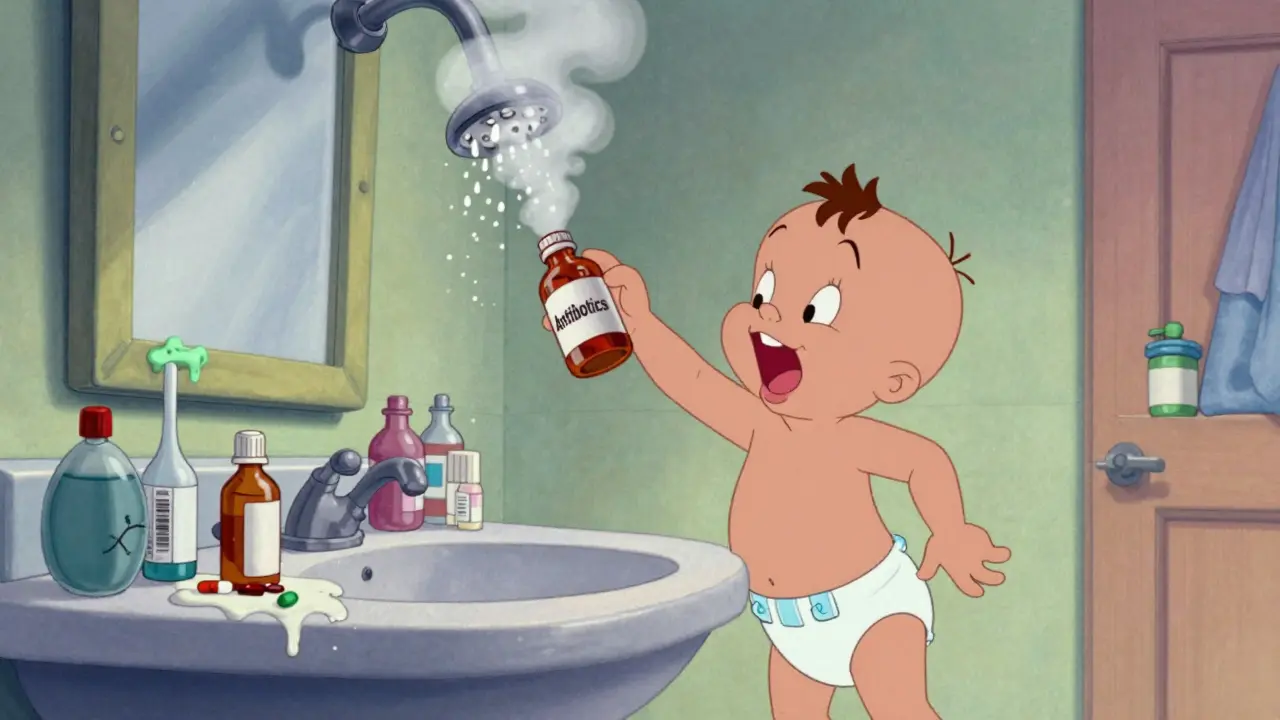
Every household in Australia has medicine-painkillers, antibiotics, inhalers, insulin, or even that old bottle of cough syrup from last winter. But where you keep it could be putting your kids, pets, or even yourself at risk. Medication storage isn’t about convenience. It’s about safety. And it’s not as simple as tossing pills into a bathroom cabinet or leaving them on the kitchen counter.
Why Your Bathroom Cabinet Is the Worst Place for Medicines
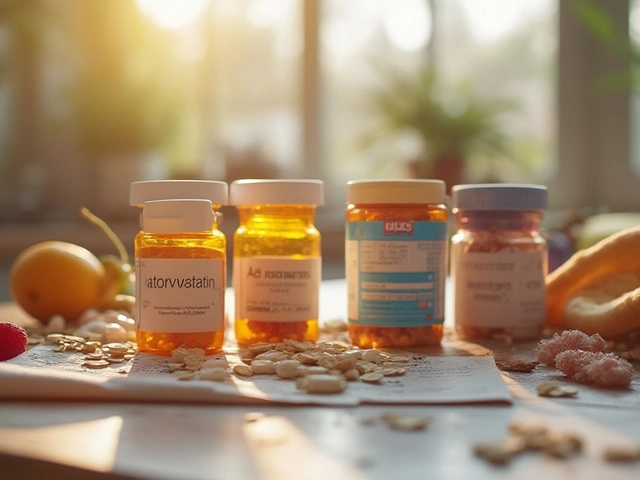
You’ve probably seen it: the medicine cabinet above the sink, packed with pills, creams, and ointments. It looks tidy. It’s convenient. But it’s also the most dangerous place in the house for storing medication. Bathrooms are humid. Every shower sends steam swirling through the air. That moisture doesn’t just fog up your mirror-it degrades your pills. According to MedlinePlus, 67% of common medications lose effectiveness within 30 days when stored in high-humidity environments. Insulin, thyroid pills, and antibiotics are especially sensitive. Heat and moisture can break down the active ingredients, turning your medicine into something useless-or worse, harmful. And don’t forget: bathroom cabinets are easy for kids to reach. Even if you think your child can’t climb, toddlers as young as 24 months can pull themselves up on countertops, drawers, or toilet lids. The Washington State Department of Health found that 73% of accidental poisonings in children happened because meds were left in unlocked cabinets, on countertops, or in purses.The Gold Standard: Locked, Cool, and Dry
The safest place for your medications is a locked box, in a cool, dry spot away from sunlight and moisture. That means:- Keep them in a room with stable temperature-between 20°C and 25°C (68°F-77°F).
- Avoid windows, radiators, or anywhere near the stove or dishwasher.
- Use a lockable container: a small safe, a locked drawer, or even a locked gun safe if you have one.
Special Cases: Insulin, Liquid Meds, and Controlled Substances
Not all medications are the same. Some need extra care. Insulin must be refrigerated between 2°C and 8°C. But don’t store it in the fridge door-temperature swings there can ruin it. Put it on a middle shelf, away from food. And lock the fridge if kids or teens can access it. A 2023 Seattle Children’s Hospital report found that 40% of insulin mishaps happened because it was left unsecured in the fridge. Liquid medications, like antibiotics or children’s pain relievers, are especially dangerous because they look like juice. Always keep them in their original bottles with child-resistant caps. Even if the cap feels hard to open, don’t remove it. The Poison Prevention Packaging Act requires these caps to take 17.5 pounds of force to open-enough to stop most kids under five. But here’s the catch: half of children can open them by age five. That’s why locking the whole container matters more than relying on the cap alone. Controlled substances-like opioids, benzodiazepines, or strong painkillers-are the most targeted for theft and misuse. The EPA and NIH report that 92% of adolescent opioid misuse starts at home. That’s why many pharmacies in Australia now offer free lockable containers with these prescriptions. If you’re prescribed something like oxycodone or tramadol, take the container. Lock it in the same cool, dry, secure spot as your other meds.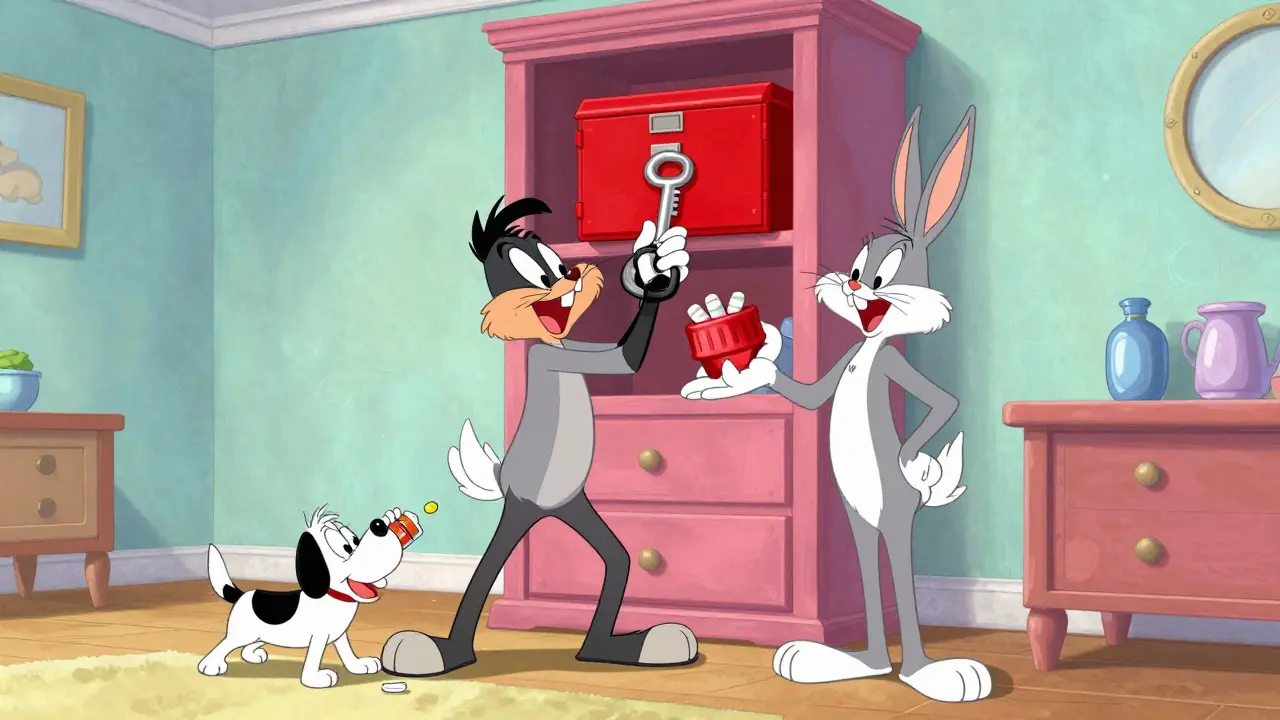
What to Do After You Take Your Medicine
You’ve taken your pill. You put the bottle down. You walk away. That’s when most accidents happen. The National Association for Children of Alcoholics found that 42% of pediatric poisonings occur within 5-10 minutes after a caregiver administers medicine. Why? Because the bottle is still out. The cap is off. The child sees it. They grab it. Make this a habit: put it back, locked, immediately after use. Even if you’re just going to the next room. Even if you’re tired. Even if you think your child is asleep. That’s the rule. No exceptions.Common Mistakes (And How to Fix Them)
Here are the top three mistakes households make-and how to avoid them:- Storing meds in purses or coat pockets-This is the #1 reason grandparents’ homes are dangerous. A visitor leaves their meds in a bag on the couch. A child finds it. Result: emergency room visit. Solution: Keep all meds in one secure spot, even when guests are over.
- Using high shelves as ‘child-proofing’-Kids climb. They’re faster and stronger than you think. A 48-inch shelf? A 2-year-old can reach it. Locking is the only reliable solution.
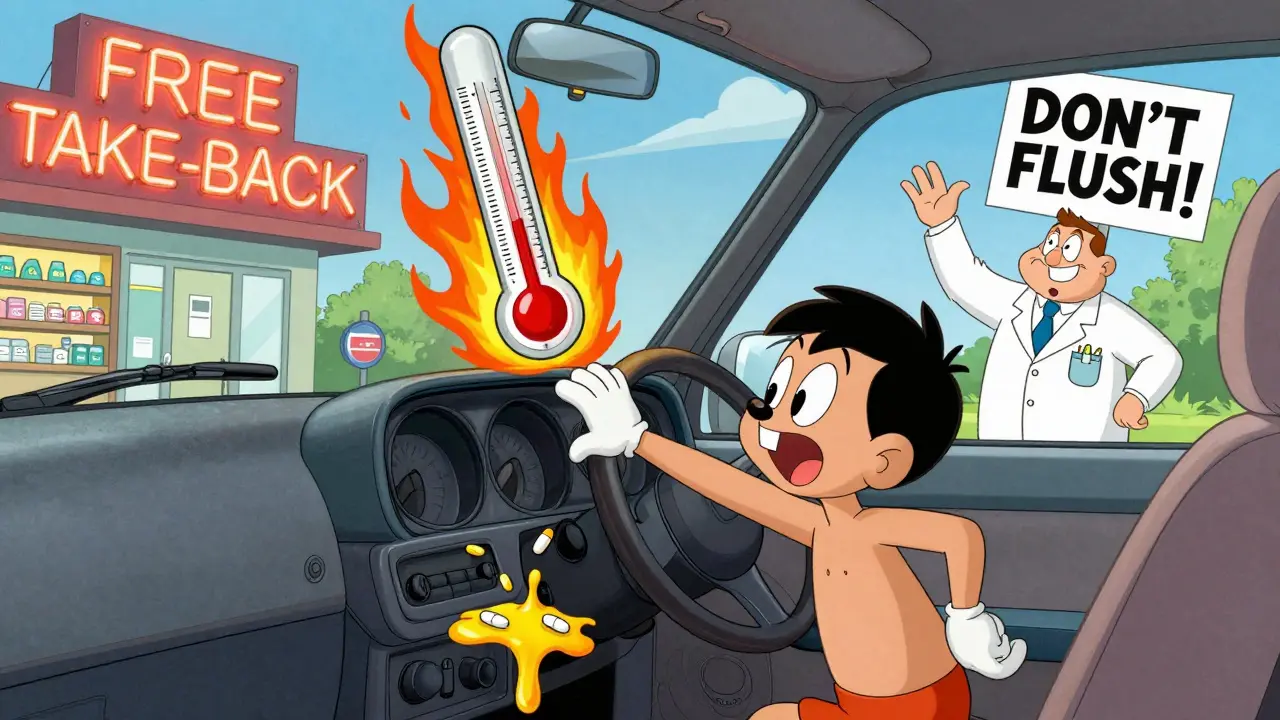
- Keeping old or expired meds-Expired pills can be toxic. Don’t just toss them in the trash. Many pharmacies, including Chemist Warehouse and Priceline, offer free take-back bins. Check with your local pharmacy for drop-off locations.
What About Smart Storage? Are High-Tech Safes Worth It?
Yes-and no. Digital medication dispensers with biometric locks (fingerprint or PIN) are growing in popularity. University of Michigan’s 2022 report found they’re 78% effective at blocking unauthorized access. That’s great for elderly users with dementia or families with teens at risk of misuse. But for most households? A $25 plastic lockbox from Kmart or Bunnings works just as well. You don’t need a $150 smart safe unless you’re storing high-risk medications or have a complex home situation. Stick to simple, reliable, and affordable.What to Do with Unused or Expired Medications
Never flush pills down the toilet. Never throw them in the bin. And never burn them. The EPA and Australian government recommend returning unused or expired medicines to a pharmacy. Most major chains have free take-back programs. You can drop off anything: pills, liquids, patches, inhalers-even syringes (in sealed containers). Why? Because flushing contaminates waterways. Throwing them in the trash invites pets, kids, or scavengers to dig through your bin. Pharmacies safely incinerate or neutralize them. It’s free. It’s easy. Do it.Final Checklist: Is Your Medication Storage Safe?
Use this quick list to audit your home right now:- Are all medications stored in a locked container?
- Is the container kept in a cool, dry place (not bathroom or kitchen)?
- Are insulin and other refrigerated meds stored away from food and locked?
- Are all bottles in original packaging with labels intact?
- Are child-resistant caps still on-even if they’re hard to open?
- Do you return every bottle to its locked spot within 10 seconds of use?
- Have you cleared out expired or unused meds at a pharmacy this year?
Can I store my medications in the fridge?
Only if the medication specifically requires refrigeration-like insulin or some antibiotics. Store them on a middle shelf, away from food, and lock the fridge if children or teens can access it. Never store non-refrigerated meds in the fridge-moisture can damage them.
Are child-resistant caps enough to keep kids safe?
No. While child-resistant caps are required by law and slow down most kids under five, half of children can open them by age five. Locking the entire container is the only reliable way to prevent access.
What if I live in a rental and can’t install a lockbox?
You don’t need to install anything. Buy a small, portable lockbox ($20-$40) and keep it in a high cupboard, inside a locked suitcase, or even a locked drawer in your wardrobe. The key is consistency-not permanence.
Is it safe to keep medications in the car?
No. Cars get extremely hot in summer-often over 60°C inside. Pills can melt, degrade, or become dangerous. Even winter temperatures can drop below freezing, damaging some medicines. Always keep meds in your home, in a stable environment.
How often should I check my medicine cabinet?
Every three months. Look for expired dates, changed colour, odd smells, or pills that are crumbling. Dispose of anything outdated at your local pharmacy. Also, check that your lockbox is still secure and that no one has moved your meds.
Phoebe McKenzie
January 2, 2026 AT 21:42Oh my god, I can't believe people still keep meds in the bathroom. Are you people serious? That's not just dumb, that's a public health hazard. I've seen toddlers pull out insulin vials like juice boxes. You think you're being careful? You're just one shower away from a child's death. Stop being lazy and get a lockbox. Now. I'm not joking. This isn't a suggestion-it's a survival tactic.
gerard najera
January 3, 2026 AT 15:51Storage isn't about convenience. It's about control.
Stephen Gikuma
January 3, 2026 AT 20:09They don't want you to know this, but the government knows humidity destroys pills on purpose. Why? So you'll keep buying new ones. And the lockboxes? That's just another way to sell you gear. The real danger is Big Pharma pushing you to hoard meds you don't need. Your bathroom cabinet is the only thing keeping you free from their control. Don't let them take that from you.
Bobby Collins
January 5, 2026 AT 04:44okay but like... what if you're broke and can't afford a lockbox? i just put mine in my sock drawer and hope for the best 😅
Layla Anna
January 5, 2026 AT 16:29my grandma used to keep her pills in a tin inside her nightstand and i always thought that was so sweet 🥺 she’d say ‘they’re safe here, honey’ and i believed her… until i found her expired antibiotics from 2012. now i keep mine in a locked makeup bag under the bed. no one looks there. also, i put a little heart sticker on the bag. because why not? ❤️
Heather Josey
January 6, 2026 AT 00:55This guide is exceptionally well-researched and practical. I've implemented the locked storage protocol in my household since reading it, and the peace of mind is immeasurable. For families with young children, this isn't optional-it's foundational. I encourage every reader to audit their storage today. A few minutes now can prevent a lifetime of regret.
Donna Peplinskie
January 7, 2026 AT 22:14Oh my goodness, I just checked my cabinet… and yes, I had a bottle of amoxicillin from 2020 in the bathroom… I feel so guilty now 😭 I’ve already packed it up to take to the pharmacy tomorrow. Thank you for this gentle but firm reminder-we all need these nudges. Also, I bought a tiny lockbox from Bunnings for $18 and it fits perfectly on my shelf. It’s not fancy, but it’s safe. And that’s what matters.
Alex Warden
January 8, 2026 AT 05:09Why are you letting the government tell you where to put your pills? This is America. You want to keep your meds in the fridge next to the milk? Do it. You think some kid’s gonna die because they found a pill? They’re not that dumb. You’re just scared of your own kids. Lockboxes are for people who don’t trust their own families.
Todd Nickel
January 9, 2026 AT 01:01It’s interesting how the psychological burden of medication storage is often underdiscussed. The act of locking away one’s own health interventions-especially when those interventions are tied to chronic illness or mental health-can subtly reinforce a sense of stigma or shame. The physical container becomes a metaphor: Is my medication dangerous? Am I dangerous? The solution isn’t just logistical-it’s cultural. We need to normalize the idea that needing medicine doesn’t make you a risk. It makes you human. And human beings deserve dignity, even when they’re holding a pill bottle.
Austin Mac-Anabraba
January 10, 2026 AT 04:04Let’s be brutally honest: 90% of these ‘safety guidelines’ are designed to shift liability away from pharmaceutical companies and onto the consumer. The real problem? The drugs themselves are overprescribed, poorly regulated, and often toxic. You’re being told to lock them up because they’re dangerous-but they’re dangerous because they were never meant to be in your home in the first place. The system is broken. Your lockbox is just a Band-Aid on a bullet wound.
Olukayode Oguntulu
January 10, 2026 AT 22:15Let me elucidate the epistemological paradox of pharmaceutical stewardship in the neoliberal domestic sphere: the very infrastructure of safety-lockboxes, child-resistant caps, pharmacy take-backs-is a performative artifact of biopolitical governance. You are not securing your medicine; you are performing compliance with a pharmacological regime that commodifies your vulnerability. The humidity? It’s not degrading your pills-it’s exposing the fragility of capitalist healthcare. Your $25 Kmart lockbox? A neoliberal fetish. You’re not protecting your child-you’re reinforcing the myth of individual responsibility in a system designed to fail you.
jaspreet sandhu
January 11, 2026 AT 00:28Everyone’s talking about lockboxes and humidity like it’s the end of the world. I’ve been keeping my meds on the windowsill for 10 years. Never had a problem. My kid’s 7 and he’s never touched them. You think you’re saving lives? You’re just scared of your own shadow. In India, we just keep them in a plastic bag inside a shoebox. No lockbox. No panic. No drama. Maybe your problem isn’t the storage-it’s your anxiety.
LIZETH DE PACHECO
January 12, 2026 AT 01:37I love how this guide is so clear and kind. I’m a single mom and I was terrified I was doing it wrong. I just bought a lockbox today and put it in my bedroom closet. I’m going to start the 10-second rule tonight. Thank you for not making me feel like a bad parent. Small changes matter. You’re helping people. ❤️
Lee M
January 13, 2026 AT 03:22Lockboxes are a good start, but they’re reactive. What we need is systemic change: mandatory tamper-proof packaging, real-time expiration alerts embedded in pill bottles, and public education starting in middle school. Safety shouldn’t rely on parents being perfect. It should be built into the system. Until then, yes-lock your meds. But don’t stop there.
Kristen Russell
January 13, 2026 AT 03:38Just did my check. Locked box? Check. Cool and dry? Check. Expired meds? Tossed. I feel so much better already. Small wins, people. You got this.