Pediatric Dosing Safety Calculator
Enter Patient Details
Calculated Result
Total Required Dose
Volume to Administer
Why Milliliters Matter: Visual Comparison
Confusing a teaspoon (5mL) with a tablespoon (15mL) can triple the dose!
Imagine a tiny pill that heals an adult but could harm a toddler. That is the reality of pediatric medication safety, which involves specialized protocols to prevent medication errors in children due to their unique physiology and development. It’s not just about giving a smaller dose; it’s about navigating a complex landscape where a single calculation mistake can lead to serious consequences. In fact, adverse drug events happen roughly three times more often in kids than in adults. Why? Because children are not just small adults. Their bodies process medicine differently, they can’t always tell you when something feels wrong, and they are naturally curious explorers who might find your medicine cabinet.
The stakes are high. Every year, thousands of young children end up in emergency rooms after accidentally swallowing medications. Many of these cases involve drugs that are harmless in large doses for grown-ups but toxic in tiny amounts for babies. Understanding the special considerations for treating children requires looking at how their bodies work, where mistakes happen most often, and what specific steps parents and doctors can take to keep them safe.
Why Children’s Bodies React Differently to Medicine
To understand why pediatric dosing is so tricky, you have to look at biology. A newborn might weigh only 3 pounds, while a teenager can weigh over 100 pounds. That is a massive range. This size variability means doctors cannot use standard "one-size-fits-all" doses. Instead, they rely on precise weight-based calculations. But weight isn't the only factor.
Children’s organs are still developing. The liver and kidneys, which are responsible for breaking down and removing drugs from the body, function differently in infants compared to adults. For example, an infant’s liver enzymes might not be fully active yet, meaning a drug stays in their system longer and builds up to potentially dangerous levels. Conversely, some metabolic processes are faster in older children, clearing medicines out too quickly to be effective if dosed like an adult.
Then there is the communication gap. An adult can say, “My stomach hurts” or “I feel dizzy.” A two-year-old might just cry or become irritable. By the time a caregiver realizes something is wrong, the medication error may have already caused significant harm. This inability to articulate symptoms makes prevention the only real line of defense.
The Hidden Dangers of Home Storage and Access
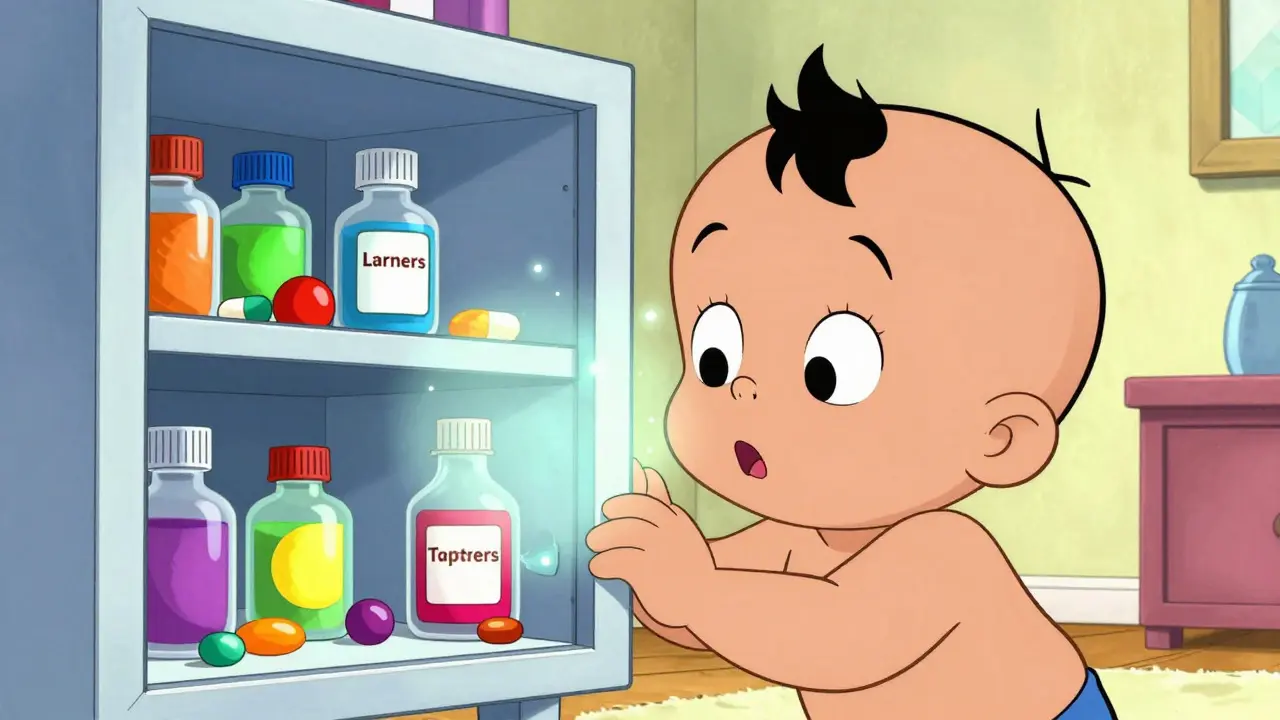
Most medication errors don’t happen in hospitals; they happen at home. You might think your medicine cabinet is safe, but data tells a different story. About 60% of emergency room visits for pediatric poisoning involve children under the age of two getting into medicines left within reach. And here is the scary part: it takes less than a minute for a curious toddler to open a container if it isn’t secured properly.
We often assume child-resistant packaging (CR-closures) does all the work. But research shows that if adults don’t close those bottles completely every single time, they hardly work at all. Studies have shown that children can open incompletely closed bottles in under 30 seconds. It’s not just prescription pills either. Over-the-counter cough syrups, vitamins, and even diaper rash creams account for a huge chunk of accidental ingestions. If it’s not food, treat it like medicine and store it up high and out of sight.
| Item Type | Risk Factor | Safety Tip |
|---|---|---|
| Pills/Capsules | Look like candy; fatal in small doses | Keep in original child-resistant containers |
| Liquid Syrup | Sweet taste encourages ingestion | Store on high shelves; never call it "candy" |
| Vitamins/Supplements | Often colorful and appealing to kids | Treat as medicine; lock away with prescriptions |
| Topical Creams | Easily accessible in bathrooms | Check labels; some ingredients are toxic if swallowed |
A major rule of thumb? Never tell a child that medicine is candy. It sounds innocent, but it tricks their brain. When they find a loose pill later, they remember it tastes good. Avoiding this phrase alone prevents a significant number of accidental ingestions.
Dosing Mistakes: Teaspoons vs. Milliliters
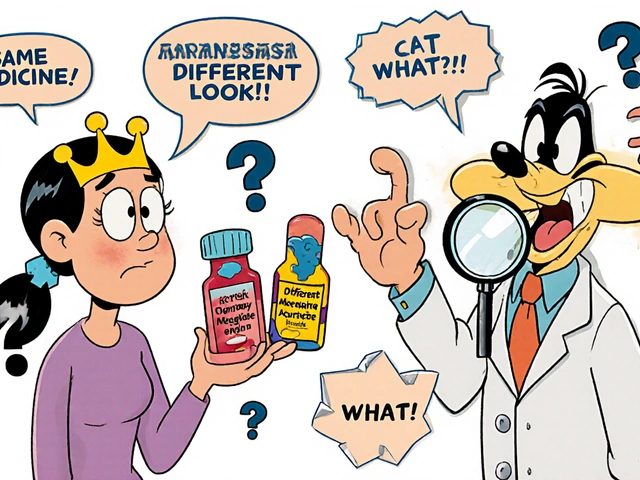
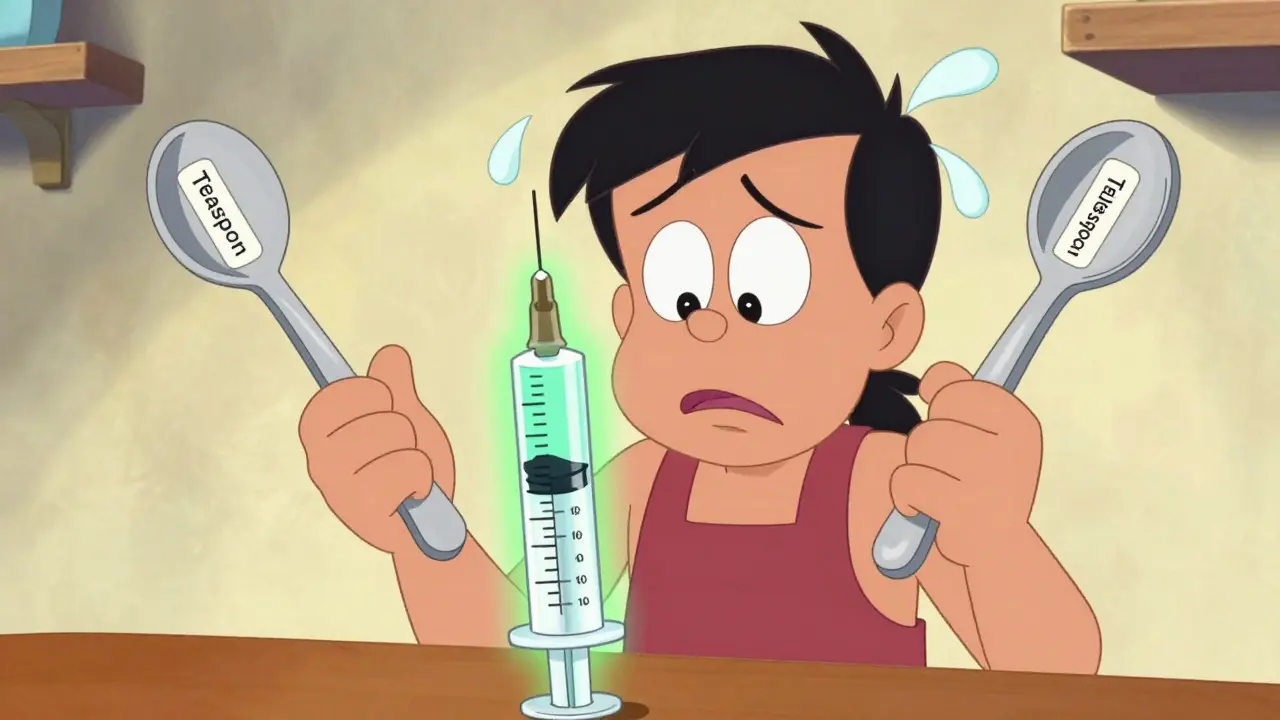
If you’ve ever given a kid liquid medicine, you know the struggle. But confusion between household measurements and medical metrics is one of the biggest sources of overdose. Here is the critical difference: 1 teaspoon equals 5 milliliters (mL). If a doctor prescribes 5 mL and you give 1 teaspoon thinking it’s 1 mL, you’ve given five times the dose. That is a five-fold overdose.
Even worse is the tablespoon mix-up. One tablespoon is 15 mL. If you confuse a teaspoon instruction with a tablespoon, you’re tripling the dose. These aren’t minor slips; they can lead to respiratory depression or seizures, especially with sedating cough medicines.
This is why experts now push for milliliter-only dosing. When you buy liquid medication, ask for a syringe or a cup marked in mL, not teaspoons. Throw away the old plastic spoons that come with bottles-they are inaccurate and confusing. Using standardized delivery devices eliminates the guesswork and ensures the child gets exactly what was prescribed.
Special Rules for Healthcare Settings
Hospitals and clinics have their own set of challenges. In adult hospitals, pediatric cases are rare, which means staff might not be as practiced in calculating weight-based doses. Errors here are often systemic. To combat this, leading health organizations recommend strict protocols:
- Kilogram-only rules: All weights must be recorded in kilograms. Converting from pounds on the fly leads to math errors.
- Standardized concentrations: Hospitals should limit the number of different strengths of high-risk drugs available to reduce mix-ups.
- Double checks: High-alert medications require two independent providers to verify the dose before administration.
- Distraction-free zones: Preparing meds in quiet areas reduces cognitive load and mistakes.
Electronic health records also play a role. Modern systems include hard stops-alerts that block a nurse from administering a dose that exceeds safe limits for a child’s weight. These digital safeguards catch human error before it reaches the patient.
What Parents Should Know About OTC Meds
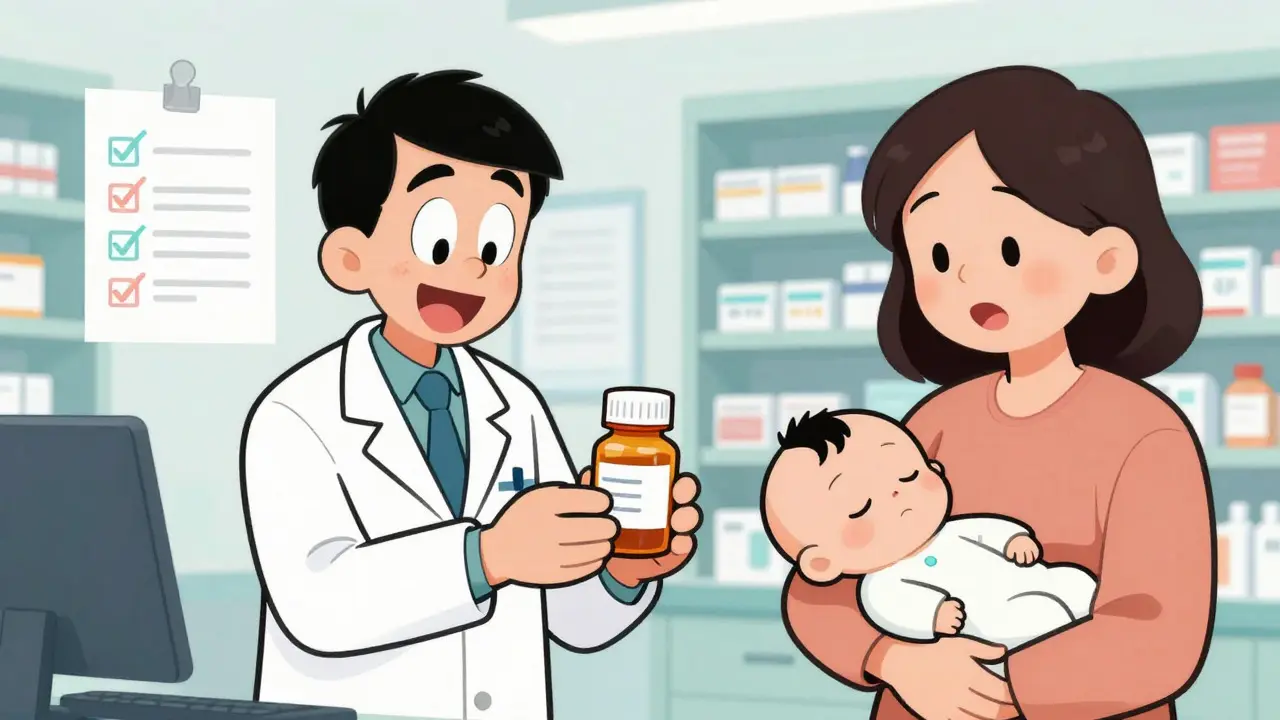
Over-the-counter (OTC) cough and cold medicines are a common source of worry. The general consensus among pediatricians is clear: avoid them for young kids. Specifically, OTC cough or cold medicines are not recommended for children under age 6, and they should never be used in children under 2 without a doctor’s direct advice.
Why? The risks outweigh the benefits. Young children are more sensitive to side effects like drowsiness or rapid heart rate, and studies haven’t proven these drugs work well for little ones anyway. Instead of reaching for syrup, try saline drops for congestion, a humidifier for dry air, or honey (for kids over 1 year old) for coughs. Always check with a pharmacist or pediatrician before combining multiple OTC products, as many contain the same active ingredients, leading to accidental double-dosing.
Practical Steps for Safer Medication Management
Safety isn’t just about avoiding accidents; it’s about building good habits. Here is a checklist for caregivers:
- Measure accurately: Use the syringe or cup provided by the pharmacy. Aim liquids toward the back of the cheek, not the tongue, to prevent choking and ensure the full dose goes down.
- Label everything: If you transfer meds to a travel case, label it clearly with the name, dose, and date. Never leave pills in unmarked containers.
- Program the poison number: Save the Poison Help number (800.222.1222) in your phone. In an emergency, every second counts, and you won’t have time to search for it.
- Use teach-back: When a doctor gives instructions, repeat them back to make sure you understood. Ask for pictogram-based instruction sheets if English isn’t your first language or if reading dense text is difficult.
- Secure storage: Keep all medicines, including vitamins and topical creams, in a locked box or on a high shelf that toddlers can’t climb to.
Remember, vigilance is key. As children grow, their access to higher places improves. What was safe last month might not be safe today. Regularly audit your home environment to ensure medicines remain out of reach.
Is it safe to cut adult pills in half for children?
Generally, no. Adult pills often contain fillers and binders that are not tested for children. Additionally, cutting a pill rarely results in a perfectly accurate dose. Always consult a pediatrician for age-appropriate formulations.
What should I do if my child swallows a pill?
Stay calm and call the Poison Help line (800.222.1222) immediately. Have the medication bottle ready to provide details about the drug and strength. Do not induce vomiting unless instructed by a professional.
How long do I keep old medicines at home?
Dispose of unused or expired medicines promptly. Old meds lose effectiveness and can change chemically. Use local drug take-back programs or follow FDA guidelines for home disposal to keep them out of children's hands.
Are natural remedies safer than pharmaceuticals for kids?
Not necessarily. Natural doesn't mean risk-free. Some herbal supplements interact with other drugs or contain contaminants. Always discuss any supplement with your child’s doctor before use.
Why is weight-based dosing better than age-based?
Age is a poor predictor of how a body processes drugs. Two 5-year-olds can weigh vastly different amounts. Weight provides a more accurate metric for calculating the correct therapeutic dose and minimizing toxicity risks.