
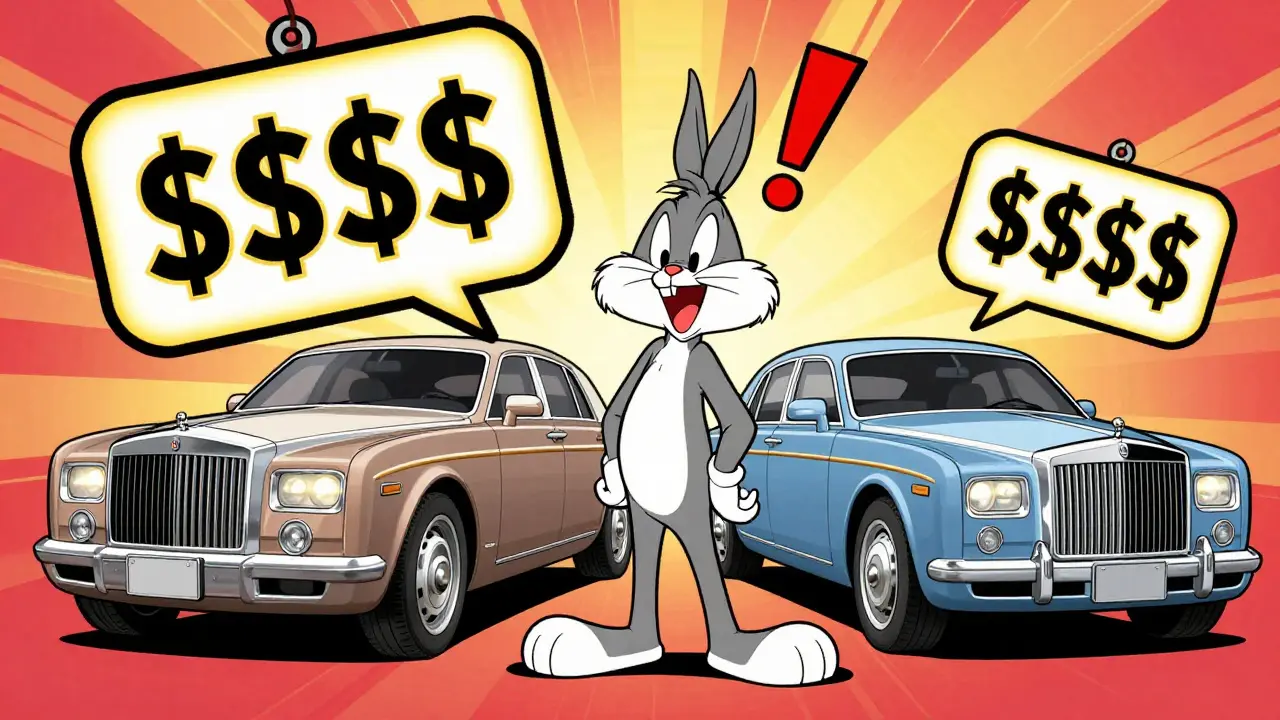
Imagine paying a premium for a luxury car, only to find out a nearly identical model is available for a fraction of the price. In the world of medicine, this is exactly what's happening with Biosimilars is biologic medications derived from living organisms that are highly similar to already FDA-approved reference biologic products. While they aren't exact clones like traditional generics, they offer the same safety and potency, potentially slashing healthcare costs by billions.
The problem is that most people-and even some healthcare providers-don't realize how much money is left on the table. For years, the biologics market was a monopoly of high-priced "originators." Now, a wave of competition is arriving, but the savings aren't as automatic as they are with a generic aspirin. Understanding why biosimilars cost what they do, and how they compare to original prices, is the key to lowering out-of-pocket expenses.
The Core Difference: Why Biosimilars Aren't Just "Generics"
To understand the price tag, you first have to understand the chemistry. Most generic drugs are small-molecule chemicals. They are simple to copy because the formula is a fixed recipe. If you follow the recipe, you get the exact same molecule every time. This is why generics can often be 80% to 90% cheaper than the brand name almost overnight.
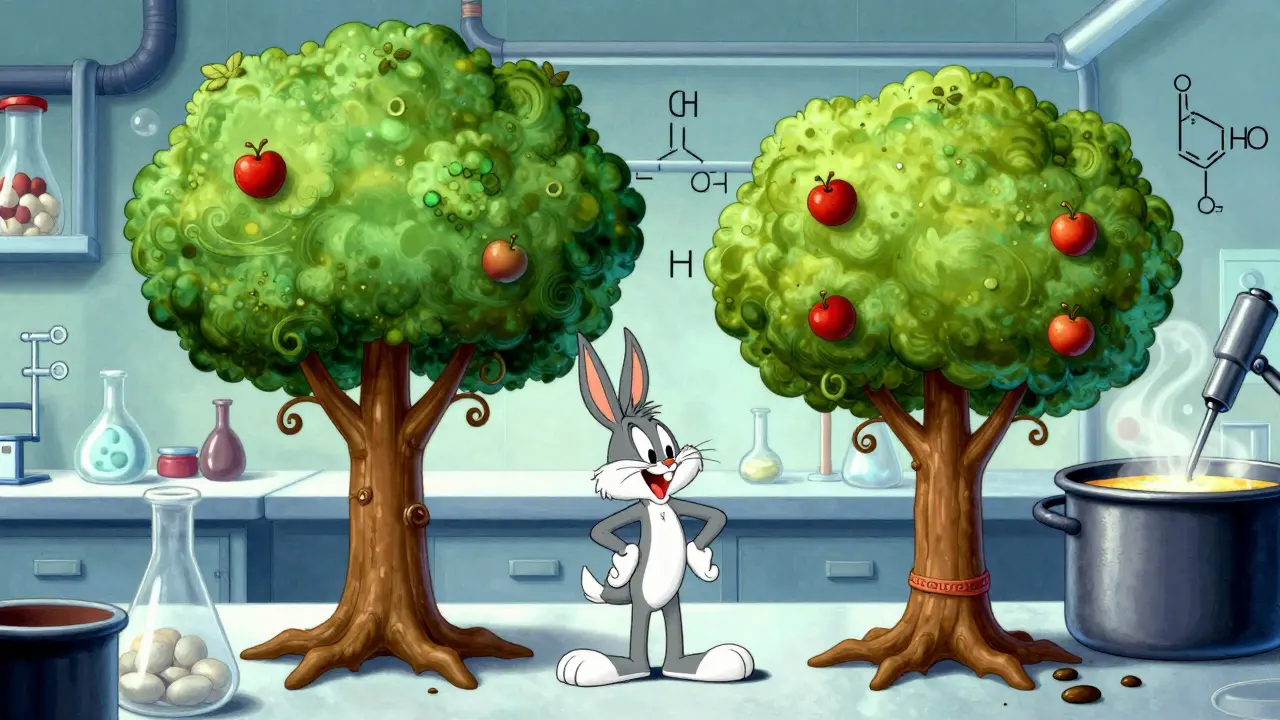
Biologics are different. They are large-molecule drugs created using living cells. Because they are grown, not just mixed in a lab, you can't make an identical copy. Think of it like trying to grow two identical apple trees from different seeds; they'll be the same species and produce the same fruit, but they aren't molecular clones. This inherent complexity means the manufacturing and regulatory hurdles for Biosimilar products are much higher than for traditional generics.
Because it costs more to develop and produce these living medicines, we don't see that 90% price drop immediately. Instead, biosimilars typically offer more modest but still significant savings. On average, you'll see about a 35% saving over the originator when covered by medical benefits, though some specific cases see much deeper cuts.
Breaking Down the Price Gap: Real-World Savings
The actual savings you see depend heavily on the specific drug and the market competition. Let's look at some of the most prominent examples in the US market to see how the numbers actually play out.
| Medication Type | Typical Savings (List Price) | Market Context |
|---|---|---|
| Humira Biosimilars | Up to 85% | High competition with 10+ approved options |
| Stelara Biosimilars | Up to 90% | New entrants as of mid-2025 |
| General Medical Benefit Biosimilars | ~35% | Average across various therapeutic areas |
| Commercial Market Out-of-Pocket | ~23% | Average reduction for patients |
As you can see, the "Humira effect" shows what happens when the market opens up. When ten different biosimilars for the same drug became available, the price plummeted. This proves that the number of competitors is the biggest driver of cost savings. In fact, when a second biosimilar enters the market within three years of the first, the pressure on the original manufacturer's price can nearly double.
The "Rebate Trap" and Hidden Costs
If the list price of a biosimilar is 85% lower, why aren't all patients saving that much? This is where the US healthcare system gets messy. The secret is the rebate system. Original manufacturers often give massive rebates to Pharmacy Benefit Managers (or PBMs) to keep their drug as the "preferred" option on a formulary.
In some cases, a PBM might actually make more money by keeping the expensive original drug on the plan because the rebate they receive is larger than the savings they'd get from a cheaper biosimilar. This "rebate trap" effectively hides the savings from the patient and the employer. It's the reason why, as of 2023, originator biologics still accounted for nearly 99% of all biologic spending, even though cheaper alternatives were available.
However, the tide is turning. Many employers are now implementing "step therapy" protocols. This means the insurance requires you to try the biosimilar first. If it doesn't work, then they'll cover the original. This shift is forcing the market to move away from the expensive originators.
The Huge Opportunity: The "Biosimilar Void"
While the current savings are impressive-with over $56 billion saved in the US since 2015-we are facing a major problem called the "biosimilar void." Over the next decade, about 118 biologics are expected to lose their patent protection. That's a goldmine for potential savings.
The scary part? Only about 12 of those molecules currently have biosimilars in development. This means 90% of biologics losing their exclusivity don't even have a competitor in the pipeline. We are looking at a potential $234 billion in unrealized savings simply because companies aren't developing the alternatives fast enough.
Compare this to the European Union, where 73% of high-sales biologics have biosimilars in development. The US is lagging behind in both development and adoption, but new policy interventions and executive orders are starting to push the industry toward a more competitive, pro-patient model.
How to Maximize Your Own Savings
If you are currently taking a biologic medication, you don't have to just accept the high price. There are a few practical steps you can take to see if a cheaper alternative is right for you.
- Check your formulary: Ask your insurance provider or PBM if there is a biosimilar version of your medication and if it is listed as a "preferred" drug.
- Talk about "interchangeability": Some biosimilars are designated as "interchangeable," meaning a pharmacist can switch you to them without a new prescription from your doctor. Ask your pharmacist if your medication has an interchangeable biosimilar.
- Ask about out-of-pocket costs: Sometimes the list price is lower, but the co-pay is the same. Ask for a detailed breakdown of what you'll actually pay at the counter.
- Consult your doctor on efficacy: The FDA ensures there are no clinically meaningful differences in safety or potency. If you're hesitant, ask your doctor for the specific clinical data on the biosimilar's performance compared to the original.
Are biosimilars exactly the same as generic drugs?
No. Generic drugs are identical copies of small-molecule drugs. Biosimilars are "highly similar" versions of large-molecule biologics. Because biologics are made from living cells, an exact copy is impossible, but they provide the same clinical result, safety, and purity.
Why aren't biosimilars as cheap as generics?
The manufacturing process is far more complex and expensive. While a generic is a chemical formula, a biosimilar requires living cell cultures and more rigorous regulatory pathways, which keeps the production costs higher.
Will my insurance force me to switch to a biosimilar?
It is possible. Many insurance plans use "step therapy," requiring patients to try a lower-cost biosimilar before they will approve the more expensive original biologic.
Are biosimilars safe and effective?
Yes. To get FDA approval, biosimilars must demonstrate that they have no clinically meaningful differences from the reference product in terms of safety, purity, and potency.
How much can I actually save by switching?
It varies. While some see an average of 23% reduction in out-of-pocket costs in commercial markets, others-like those using Humira biosimilars-have seen list price savings as high as 85%.
Next Steps for Patients and Employers
For patients, the first step is a conversation with your healthcare provider. Don't assume a biosimilar is "inferior" just because it's cheaper; in the biologics world, lower cost is usually a result of market competition, not lower quality.
For employers and plan sponsors, the strategy is different. You need to move beyond the surface-level list price and conduct a detailed spend analysis. Look for "rebate traps" and work with consultants to implement formularies that reward the use of biosimilars. By switching just a few employees to biosimilar versions of common biologics, a mid-sized organization can potentially save millions of dollars annually.



prince king
April 28, 2026 AT 02:14It is truly wonderful to see a path toward more accessible healing for everyone! 🌟 The idea that nature and science can collaborate to lower costs is just beautiful. Let's hope more people find the courage to switch and save! ✨🙏
Dale Kensok
April 29, 2026 AT 15:39The systemic inefficiency here is almost poetic in its dysfunction. We are observing a textbook case of market failure where the asymmetrical information between the PBMs and the end-user creates a perverse incentive structure. The inherent volatility of biologic synthesis makes the 'generic' analogy a simplistic reduction, yet the regulatory capture ensures that the rent-seeking behavior of the originators persists despite the emergence of highly similar molecular entities. It's honestly pathetic that the average consumer lacks the cognitive framework to navigate this labyrinth of managed care. One must analyze the macroeconomic impact of this 'void' to realize we're basically subsidizing obsolescence through an archaic insurance modality. Truly an exercise in futility for the uninitiated.
Kat G
April 29, 2026 AT 21:50The explanation regarding the difference between small-molecule drugs and biologics is clear and helpful.
Kevin Taggart
May 1, 2026 AT 05:20so basically the insurance cos just want to save money and dont care if we switch meds lol :)
Jonathan Hall
May 3, 2026 AT 02:14While I generally believe in finding common ground and promoting a peaceful transition to these newer medications, I cannot stand the absolute greed of the pharmaceutical industry that forces us into this 'void' in the first place because they are essentially stealing from the sick to line their pockets with gold while the EU is laughing at our pathetic lack of competition and we just sit here and take it like sheep!
Thomas Jorquez
May 4, 2026 AT 12:00The detailed table provided is quite informative, although I suspect there are some typos in the market contexts of the original text.
Darrin Oneto
May 5, 2026 AT 00:41this rebate trap stuff is straight up highway robbery man, absolutely wild how they hide the cash right under our noses lol
Jean Robert
May 5, 2026 AT 13:53It can feel really overwhelming to navigate these insurance hurdles, but please remember that you have the right to advocate for your own health and financial well-being. If you're feeling nervous about switching, just take a deep breath and have a slow, honest conversation with your doctor about the data, because you deserve a treatment plan that doesn't leave you stressed about your bank account every single month. We are all in this together and there is a light at the end of the tunnel if we just keep supporting one another through the paperwork.
Amber McCallum
May 6, 2026 AT 02:21Money is just a tool, but the way it's used here shows that most people are just blind to the truth of how the world works.
Justin Crice
May 8, 2026 AT 02:05The lack of pipeline development for those 118 biologics suggests a significant risk-aversion within the current pharmacological investment landscape.