Parkinson's Disease Psychosis Management Guide
Patient Information
Additional Factors
Recommended Management Strategy
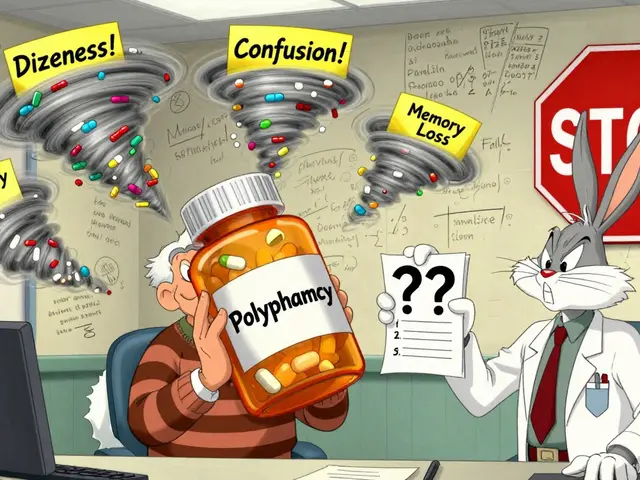
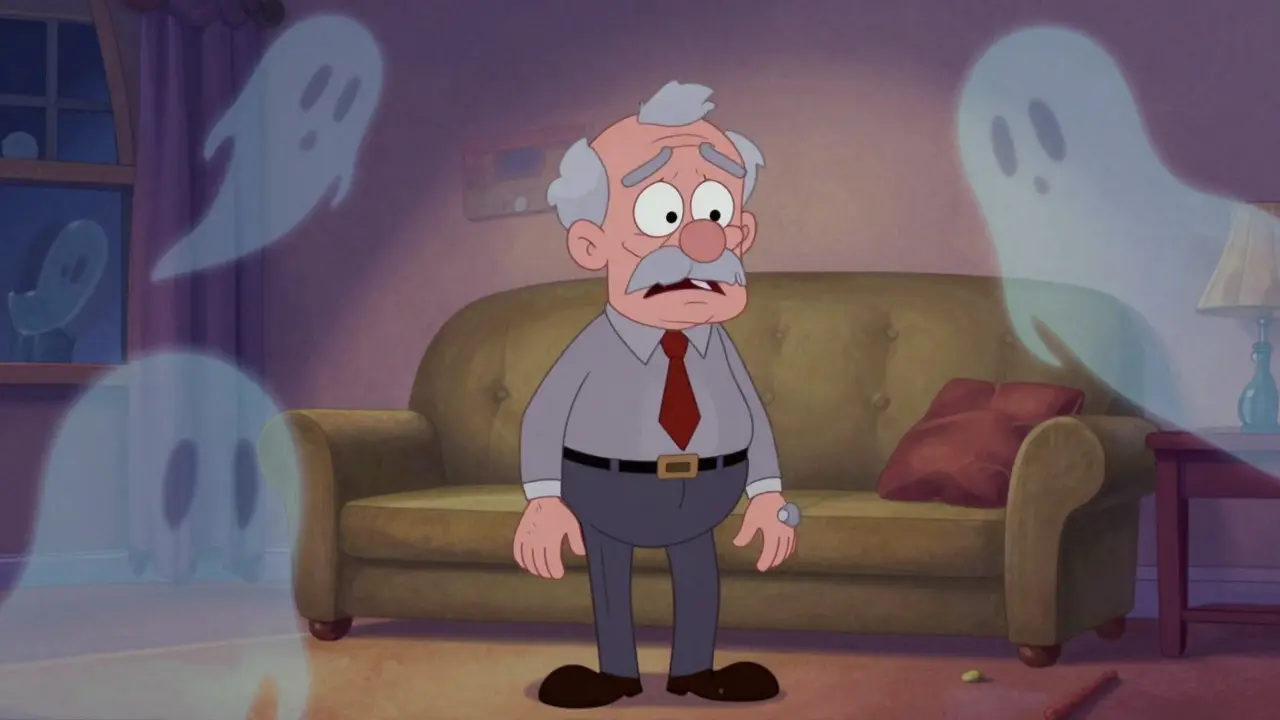
Imagine a patient with Parkinson’s disease is a progressive neurological disorder characterized by motor symptoms like tremors, rigidity, and bradykinesia due to dopamine deficiency in the brain. who begins seeing things that aren't there. This condition, known as Parkinson’s disease psychosis (PDP) is hallucinations or delusions occurring in patients with Parkinson's disease, affecting approximately 50% of patients over the course of their illness., affects up to half of all patients eventually. The standard treatment for psychosis involves antipsychotic medications. But here is the catch: many of these drugs can make the physical symptoms of Parkinson’s much worse. This creates a difficult balancing act for doctors and families.
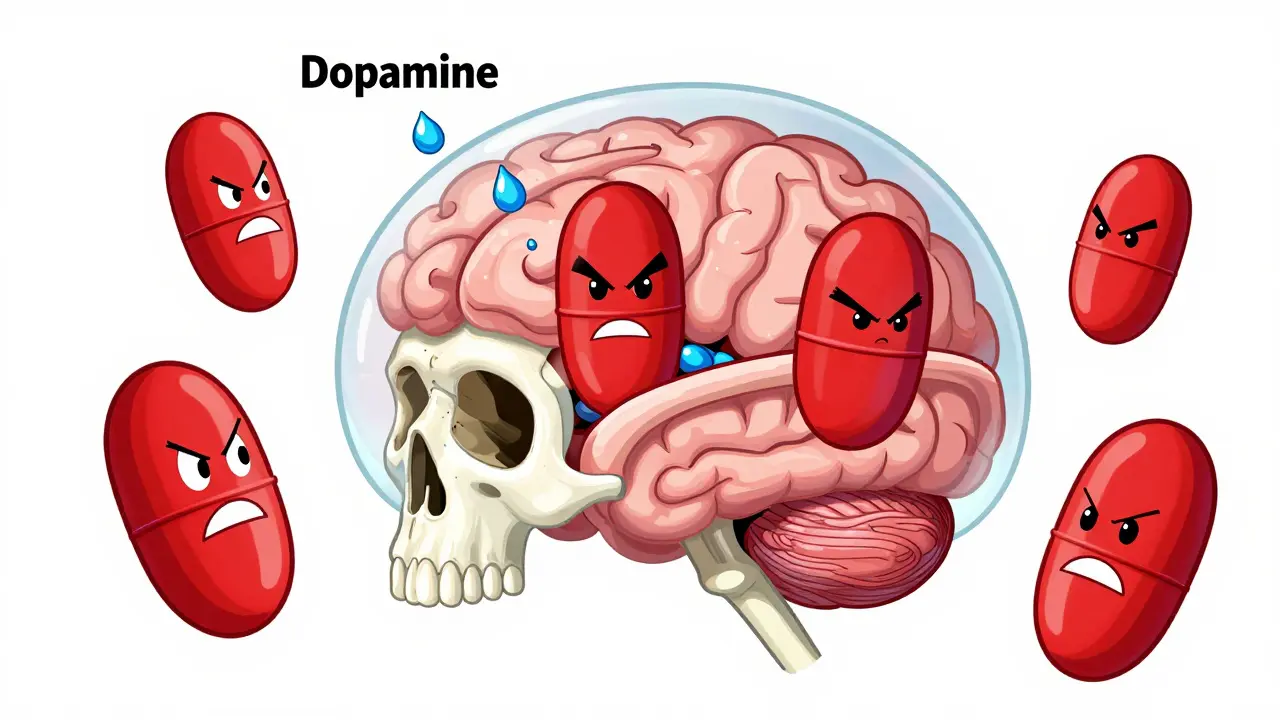
The core problem lies in how our brains handle chemicals. Parkinson’s disease stems from a lack of dopamine is a neurotransmitter crucial for controlling movement and reward pathways in the brain; its depletion causes the motor symptoms of Parkinson's. in the nigrostriatal pathway. Most traditional antipsychotics work by blocking dopamine receptors, specifically the D2 receptor. When you block dopamine in a brain that already has too little of it, you worsen the movement problems. This is why choosing the right medication is not just about treating hallucinations-it is about preserving the ability to walk, eat, and move safely.
The Danger of Traditional Antipsychotics
Not all antipsychotics are created equal when it comes to Parkinson’s. First-generation antipsychotics (FGAs), also known as typical antipsychotics, pose the highest risk. These older drugs bind very tightly to dopamine D2 receptors. Haloperidol is a high-potency first-generation antipsychotic that blocks 90-100% of D2 receptors at therapeutic doses, making it extremely dangerous for Parkinson's patients., for example, occupies 90-100% of these receptors even at low doses. Studies show that haloperidol can cause severe parkinsonism in 70-80% of patients taking it. Other FGAs like fluphenazine and chlorpromazine carry similar risks. The consensus among neurologists is clear: avoid first-generation antipsychotics entirely in Parkinson’s patients. Even microdoses can trigger significant motor decline.
Second-generation antipsychotics (SGAs), or atypical antipsychotics, are often considered safer because they have lower affinity for D2 receptors and affect serotonin receptors instead. However, this group is mixed. Risperidone is an atypical antipsychotic that carries a higher risk of worsening motor symptoms compared to other SGAs, with studies showing significant increases in UPDRS-III scores. and olanzapine have shown problematic results. A pivotal study by Ellis et al. found that while risperidone reduced psychosis effectively, it caused a mean increase of 7.2 points on the Unified Parkinson’s Disease Rating Scale (UPDRS-III) motor subsection, compared to only 1.8 points for clozapine. Furthermore, risperidone has been linked to increased mortality risk in Parkinson’s patients, with hazard ratios suggesting nearly double the risk compared to non-use. Olanzapine similarly showed dramatic motor deterioration in 50% of patients in early trials.
Safer Options: Clozapine and Quetiapine
When an antipsychotic is absolutely necessary, clinicians turn to two main options: Clozapine is an atypical antipsychotic approved by the FDA for Parkinson's disease psychosis, offering effective symptom relief with minimal impact on motor function due to low D2 receptor affinity. and Quetiapine is an atypical antipsychotic used off-label for Parkinson's disease psychosis, valued for its favorable motor side effect profile despite limited evidence of efficacy over placebo.. Both have low D2 receptor occupancy (40-60%) and strong serotonin activity, which helps mitigate motor side effects.
Clozapine is the gold standard for efficacy. It is the only antipsychotic with FDA approval specifically for PDP. Clinical guidelines give it Level B evidence based on multiple Class I studies showing it reduces psychosis without worsening motor symptoms. However, clozapine comes with a serious caveat: it carries a small but real risk of agranulocytosis, a dangerous drop in white blood cells. This requires mandatory weekly complete blood counts for the first six months, then monthly thereafter. If the absolute neutrophil count falls below 1,500 cells/μL, the drug must be stopped immediately. Despite this monitoring burden, clozapine remains the most reliable option for severe psychosis.
Quetiapine is widely used off-label because it does not require blood monitoring. It is often the first choice for patients who cannot tolerate the monitoring requirements of clozapine. However, its effectiveness is debated. A major double-blind trial by Factor et al. found no significant difference between quetiapine and placebo in reducing positive psychotic symptoms. While many clinicians report success with quetiapine in practice, the scientific evidence is weaker than for clozapine. Doses typically range from 25 to 100 mg daily, titrated slowly to minimize sedation and orthostatic hypotension.
A New Player: Pimavanserin
In April 2022, the landscape changed with the FDA approval of Pimavanserin (Nuplazid) is the first and only non-dopaminergic antipsychotic approved specifically for Parkinson's disease psychosis, working by antagonizing serotonin 5-HT2A receptors rather than blocking dopamine.. Unlike traditional antipsychotics, pimavanserin does not block dopamine receptors. Instead, it acts as a selective inverse agonist at serotonin 5-HT2A receptors. This mechanism theoretically allows it to treat psychosis without worsening motor symptoms. Clinical trials demonstrated a 5.79-point improvement on the Scale for Assessment of Positive Symptoms (SAPS) compared to placebo, with no significant worsening on the UPDRS-III motor scale.
However, pimavanserin is not without controversy. Post-marketing surveillance revealed a 1.7-fold increased mortality risk compared to placebo, leading to a black box warning from the FDA. The reasons for this increased mortality are not fully understood but may relate to the underlying severity of the disease in patients prescribed this drug. Clinicians must weigh the benefit of avoiding motor worsening against the potential safety concerns. Pimavanserin is typically reserved for patients who have failed or cannot tolerate clozapine or quetiapine.
Step-by-Step Management Strategy
Treating PDP requires a careful, stepwise approach. Jumping straight to antipsychotics is rarely the best first move. Here is the recommended algorithm:
- Rule out other causes: Ensure the psychosis isn’t caused by infections, metabolic imbalances, or other medications. Delirium can mimic psychosis and needs different treatment.
- Adjust Parkinson’s medications: Many drugs used to treat Parkinson’s can worsen psychosis. Reduce or stop them in this order: anticholinergics, MAO-B inhibitors, amantadine, dopamine agonists, COMT inhibitors, and finally levodopa. Studies show that 62% of patients resolve psychosis through medication adjustment alone.
- Consider non-pharmacological interventions: Environmental modifications, caregiver education, and cognitive behavioral therapy can help manage mild symptoms.
- Start an antipsychotic if needed: If psychosis persists and interferes with quality of life, start with clozapine (if monitoring is feasible) or quetiapine. Start low and go slow. Titrate over 4-6 weeks for clozapine or 1-2 weeks for quetiapine.
- Monitor closely: Check UPDRS-III scores biweekly during titration. If motor scores increase by more than 30% from baseline, discontinue the drug.

Comparison of Antipsychotics for Parkinson’s Disease Psychosis
| Drug | Type | D2 Blockade | Motor Risk | FDA Approval for PDP | Key Monitoring Requirement |
|---|---|---|---|---|---|
| Clozapine | Atypical | Low (40-60%) | Very Low | Yes | Weekly CBC for 6 months, then monthly |
| Quetiapine | Atypical | Low | Low | No (Off-label) | Monitor for sedation and orthostasis |
| Pimavanserin | Non-dopaminergic | None | None | Yes | Monitor for mortality risk and QT prolongation |
| Risperidone | Atypical | Moderate-High | High | No | Avoid in Parkinson's |
| Olanzapine | Atypical | Moderate | High | No | Avoid in Parkinson's |
| Haloperidol | Typical | Very High (90-100%) | Severe | No | Contraindicated |
Frequently Asked Questions
Why do antipsychotics worsen motor symptoms in Parkinson's?
Most antipsychotics work by blocking dopamine D2 receptors in the brain. Since Parkinson's disease is caused by a deficiency of dopamine in the areas controlling movement, blocking these receptors further reduces dopamine activity. This leads to increased rigidity, tremor, and slowness of movement, effectively mimicking or worsening the original Parkinsonian symptoms.
Is clozapine safe for everyone with Parkinson's?
Clozapine is highly effective but requires strict medical supervision due to the risk of agranulocytosis, a severe drop in white blood cells. Patients must commit to regular blood tests-weekly for the first six months and monthly thereafter. If a patient cannot adhere to this monitoring schedule, clozapine is not a safe option, and alternatives like quetiapine or pimavanserin should be considered.
Can I use risperidone for my parent's hallucinations?
Generally, no. Risperidone has a high risk of worsening motor symptoms in Parkinson's patients and has been associated with increased mortality. Guidelines strongly recommend avoiding risperidone, olanzapine, and first-generation antipsychotics like haloperidol in favor of agents with lower dopamine blockade such as clozapine, quetiapine, or pimavanserin.
What is pimavanserin and how does it differ from other antipsychotics?
Pimavanserin (Nuplazid) is unique because it does not block dopamine receptors. Instead, it targets serotonin 5-HT2A receptors. This mechanism allows it to treat psychosis without exacerbating motor symptoms. However, it is expensive, takes several weeks to reach full effect, and carries a black box warning for increased mortality risk, so it is usually reserved for cases where other treatments have failed.
Should I stop my Parkinson's medication if I start having hallucinations?
Do not stop medications abruptly without consulting your doctor. Sudden withdrawal can cause severe complications. Instead, work with your neurologist to adjust the regimen. Often, reducing doses of dopamine agonists, anticholinergics, or amantadine can resolve psychosis while maintaining adequate motor control. Levodopa is usually the last to be reduced as it is critical for movement.