
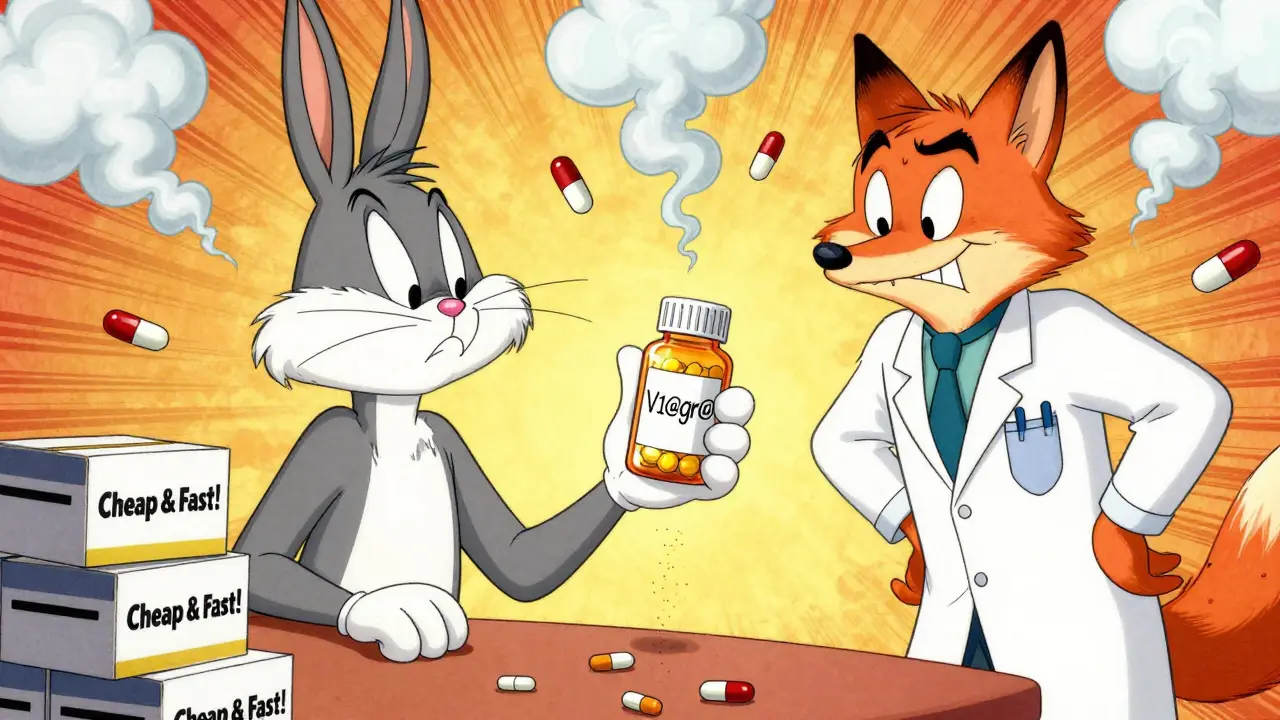
Every year, millions of people around the world take pills they think are real - but aren’t. Counterfeit drugs look identical to the real thing. Same color. Same shape. Same packaging. But inside? They might have no active ingredient. Too much. Wrong chemical. Or worse - toxic stuff. And you won’t know until it’s too late.
Why This Isn’t Just a Problem in Poor Countries
Many assume counterfeit medicines only show up in remote villages or shady online stores. That’s not true. In the UK, US, and EU, less than 1% of medicines are fake. Sounds safe, right? But here’s the catch: that 1% is still thousands of dangerous pills circulating every year. And they’re not all hiding in dark corners. Some come from websites that look like real pharmacies. Others show up in pharmacies that didn’t check their supply chain properly. The fake drugs don’t need to be perfect - they just need to fool you long enough to get swallowed.What Makes a Medicine Fake?
A counterfeit medicine isn’t just expired or poorly stored. It’s deliberately faked. That means someone copied the brand, printed fake labels, and filled the pills with whatever was cheap and easy to get. Some contain chalk. Others have rat poison. A few even have the right active ingredient - but in the wrong dose. Too little, and your condition doesn’t improve. Too much, and you could have a stroke or heart attack. The World Health Organization says 10-30% of medicines in low-income countries are fake. In places like Nigeria, Bangladesh, or Cambodia, that number is real. But even in the UK and US, fake drugs are growing. The FDA reported a 11% jump in online counterfeit sales in 2023. Most of them come from websites that look real - but aren’t licensed.Your Eyes Are Your Best Tool
You don’t need a lab to spot a fake. You need your eyes, your hands, and a little attention. Here’s what to check every time you pick up a new prescription:- Packaging: Look for typos, blurry logos, or mismatched colors. Real drug companies don’t mess this up. If the box looks like it was printed on a home printer, walk away.
- Seals: Is the blister pack sealed? Is the outer box shrink-wrapped? If the seal is broken or missing, it’s not safe.
- Expiration date: Is it clearly printed? Is it in the right format? Fake pills often have dates written in marker or smudged ink.
- Tablets themselves: Compare them to your last batch. Same size? Same color? Same markings? If the new pills look different - even slightly - ask your pharmacist.
A 2022 study found that patients who checked these five things could catch 70-80% of counterfeit drugs just by looking. That’s not magic. That’s basic vigilance.
Know Where You’re Buying From
The biggest risk? Online pharmacies. The FDA says 89% of fake medicines come from websites that aren’t licensed. That means if you bought your pills from a site that doesn’t end in .pharmacy, you’re playing Russian roulette. In the US, the National Association of Boards of Pharmacy (NABP) runs a program called Verified Internet Pharmacy Practice Sites (VIPPS). Look for their seal. In the UK, check the General Pharmaceutical Council’s list of registered online pharmacies. If you can’t find the pharmacy on the official list, don’t buy from them. Even if the site looks professional - with reviews, SSL certificates, and nice photos - it might still be fake. The most dangerous ones copy real sites exactly. That’s why you need to verify the URL. Type it yourself. Don’t click links from emails or ads.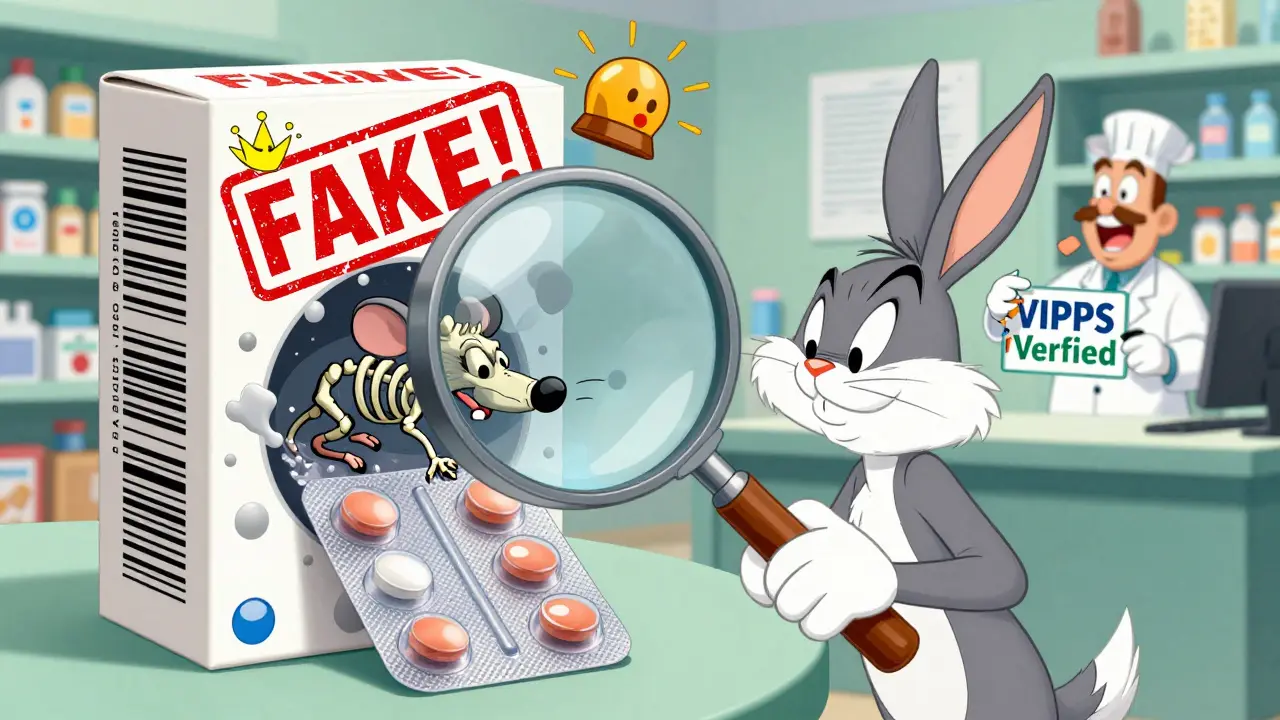
What About QR Codes and Serialization?
Since 2019, every prescription medicine sold in the EU must have a unique 2D barcode - a serial number - on the box. You can scan it at the pharmacy to verify it’s real. But here’s the problem: most patients don’t know this exists. A 2024 Reddit poll showed only 28% of people check for tamper-proof seals. Only 12% know how to use the serial number. France and Brazil started using QR codes on medicine leaflets in early 2024. Scan the code, and you get the real product info - dosage, side effects, even batch number. It’s harder for counterfeiters to copy because the data is linked to a secure database. But if you don’t know to scan it, it doesn’t help. Download the WHO’s Medicines Safety app. It’s free. It works in over 40 languages. You can scan barcodes, report suspicious products, and get alerts about fake drugs in your area. Over 850,000 people have it. You should too.What to Do If You Find Something Suspicious
Don’t throw it away. Don’t take it. Don’t just complain on Facebook. Report it. In the UK, contact the MHRA (Medicines and Healthcare products Regulatory Agency). In the US, use the FDA’s MedWatch program. In Canada, report to Health Canada. You can do it online in under five minutes. Pfizer says over 14,000 consumer reports in 2023 led to 217 counterfeit shipments stopped across 116 countries. That’s 3.2 million dangerous pills kept out of circulation - because someone noticed something was off. One woman in Brazil noticed her diabetes pills looked different. The markings were slightly off. She took a photo, called her pharmacy, and reported it. ANVISA (Brazil’s FDA) traced the batch back to a smuggled shipment from Asia. Dozens of people were saved.Why Vigilance Isn’t Enough - But It’s Still Essential
Some experts say putting the burden on patients is unfair. Especially if you’re elderly, low-income, or don’t speak the local language. A 2021 WHO report found that in places where fake drugs are common, over 40% of patients can’t tell the difference - not because they’re careless, but because they’ve never been taught how. And no, scanning a QR code won’t help if the pill has no active ingredient. Only a lab test can catch that. But here’s the truth: most fake drugs aren’t that advanced. They’re sloppy. Misspelled names. Wrong fonts. Broken seals. Those are the ones you can catch. The goal isn’t to make you a detective. It’s to make you a cautious consumer. You wouldn’t buy a car without checking the VIN. Why would you swallow a pill without checking its label?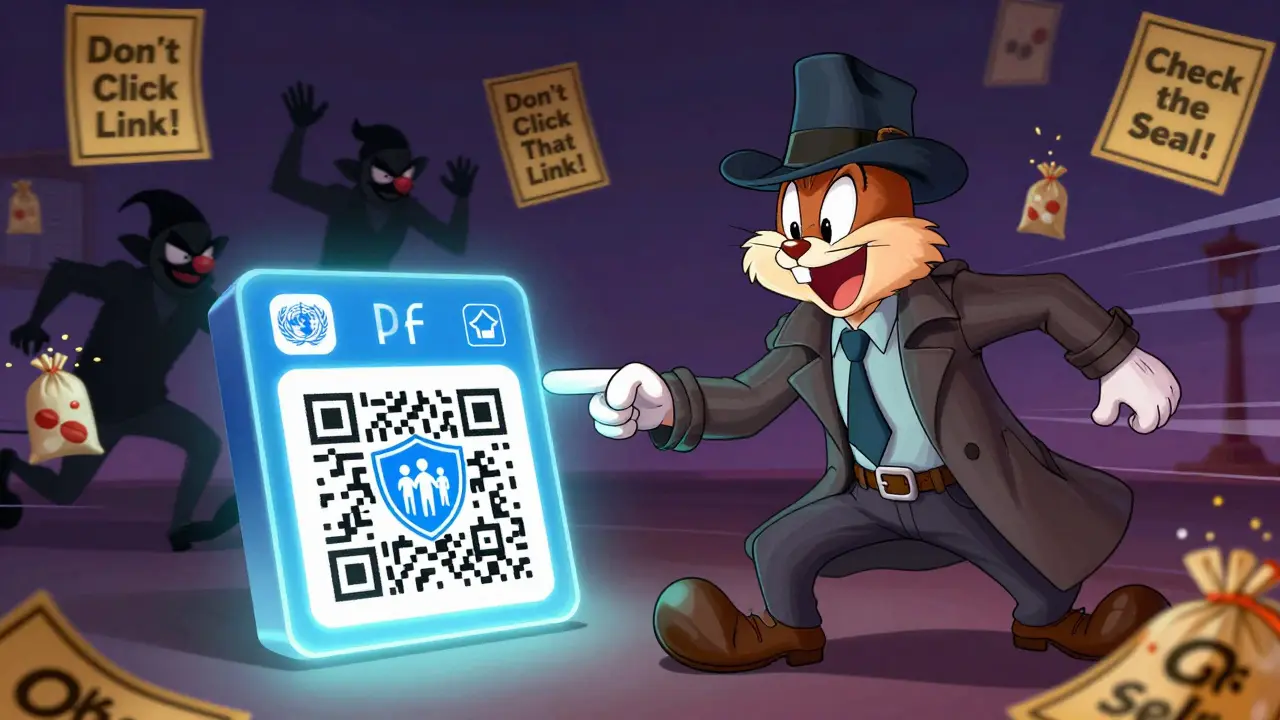
Real People, Real Stories
Twitter hashtag #FakeMeds had over 12,000 posts in 2023. Most were from people who bought pills online because they were cheap. One man in Texas bought ‘Viagra’ for $2 a pill. He ended up in the ER with a heart rhythm problem. The pills had sildenafil - but also a toxic industrial dye. Another woman in Ontario bought ‘Lisinopril’ from a website that looked like a hospital portal. She took it for six weeks. Her blood pressure kept spiking. When she switched back to her pharmacy’s version, it worked instantly. The fake pills had no active ingredient. These aren’t rare. They’re routine.What You Can Do Today
You don’t need to be an expert. Just follow these five steps:- Buy from licensed pharmacies only - in person or online with a .pharmacy domain.
- Check the packaging for spelling, seals, and color consistency.
- Compare your new pills to your last batch. Any differences? Ask your pharmacist.
- Use the WHO Medicines Safety app to scan barcodes and report anything odd.
- If something feels wrong - report it. Your report could save someone’s life.
It takes three to five purchases before this becomes second nature. But once it does, you won’t just protect yourself. You’ll protect your family, your neighbors, your community.
What’s Next?
By 2027, 95% of prescription medicines will have consumer verification features - QR codes, blockchain tracking, digital leaflets. But here’s the thing: technology won’t fix this alone. The last line of defense? Your eyes. Your hands. Your willingness to pause and check. The fake drug market is worth $200 billion a year. It’s growing. It’s smart. But it’s not invisible. And it can’t survive if every patient starts asking: Is this real?How can I tell if my medicine is fake?
Check the packaging for typos, blurry logos, or mismatched colors. Look for broken or missing tamper-proof seals. Compare the pills to your last batch - size, color, and markings should match. If the expiration date looks hand-written or smudged, be suspicious. Use the WHO Medicines Safety app to scan barcodes. If anything feels off, don’t take it - call your pharmacist or report it.
Can I trust online pharmacies?
Only if they’re verified. In the US, look for the VIPPS seal and a .pharmacy domain. In the UK, check the General Pharmaceutical Council’s list. Never buy from sites that don’t require a prescription, offer ‘miracle cures,’ or have prices that seem too good to be true. Over 89% of fake medicines come from unlicensed online sellers.
Are fake medicines only a problem in poor countries?
No. While 10-30% of medicines are fake in low-income countries, even developed nations like the UK and US have 1% or more counterfeit drugs in circulation. Most enter through unregulated online sources. The risk is lower, but the consequences are just as serious.
What should I do if I think I’ve taken a fake pill?
Stop taking it immediately. Contact your doctor or pharmacist. Report the product to your national health regulator - MHRA in the UK, FDA in the US, Health Canada in Canada. Keep the packaging and pills as evidence. Even if you feel fine, the wrong dosage or toxic ingredient could cause delayed harm.
Can I trust medicines bought from foreign pharmacies?
Only if they’re licensed in their own country and verified by your national regulator. Many countries don’t have strong oversight. Even if a pharmacy says it ships from the EU or US, it might be a front. Stick to pharmacies listed by your own country’s health authority. Don’t risk your health for a cheaper price.
Do QR codes on medicine packages really work?
Yes - if they’re used correctly. QR codes linked to official databases (like those in France and Brazil since 2024) let you verify the product’s origin and batch. But counterfeiters are starting to copy them too. Always use a trusted app like WHO’s Medicines Safety tool. Never scan codes from unverified sources or random websites.
Edith Brederode
January 21, 2026 AT 01:06kumar kc
January 21, 2026 AT 18:35Crystal August
January 21, 2026 AT 18:40Thomas Varner
January 23, 2026 AT 14:03Emily Leigh
January 24, 2026 AT 05:58Shane McGriff
January 26, 2026 AT 05:37thomas wall
January 27, 2026 AT 06:21Renee Stringer
January 28, 2026 AT 19:36Jacob Cathro
January 29, 2026 AT 06:35Carolyn Rose Meszaros
January 30, 2026 AT 14:04Greg Robertson
February 1, 2026 AT 13:02Art Gar
February 2, 2026 AT 13:07Nadia Watson
February 2, 2026 AT 20:22Courtney Carra
February 3, 2026 AT 19:36