
Compare benzodiazepines and non-benzodiazepines for sleep. Learn the hidden risks of memory loss, falls, and dependency, and discover why CBT-I is now the recommended first-line treatment for insomnia.
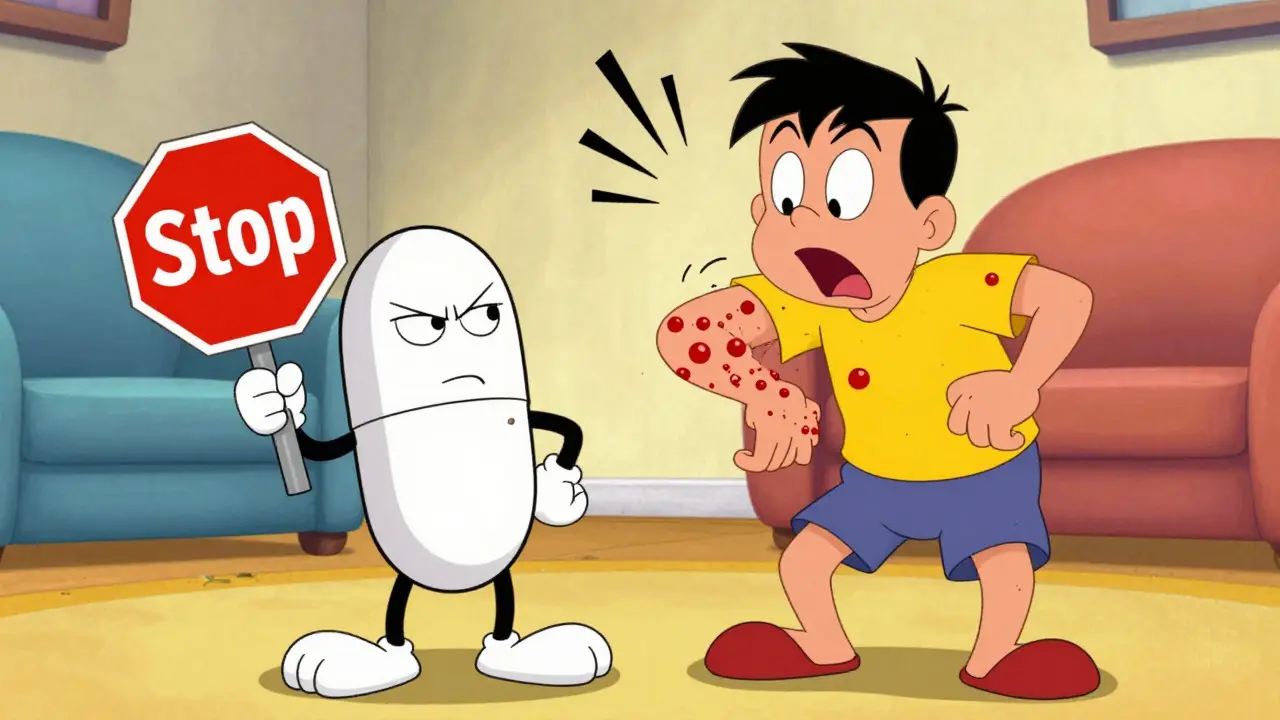
Discover the signs of antihistamine allergies and cross-reactivity. Learn why allergy meds can cause hives, how to diagnose paradoxical reactions, and what alternative treatments exist for those who cannot tolerate standard antihistamines.
Discover if authorized generics are as effective as brand-name drugs. Learn about the FDA regulations, identical ingredients, and cost savings of authorized generics.
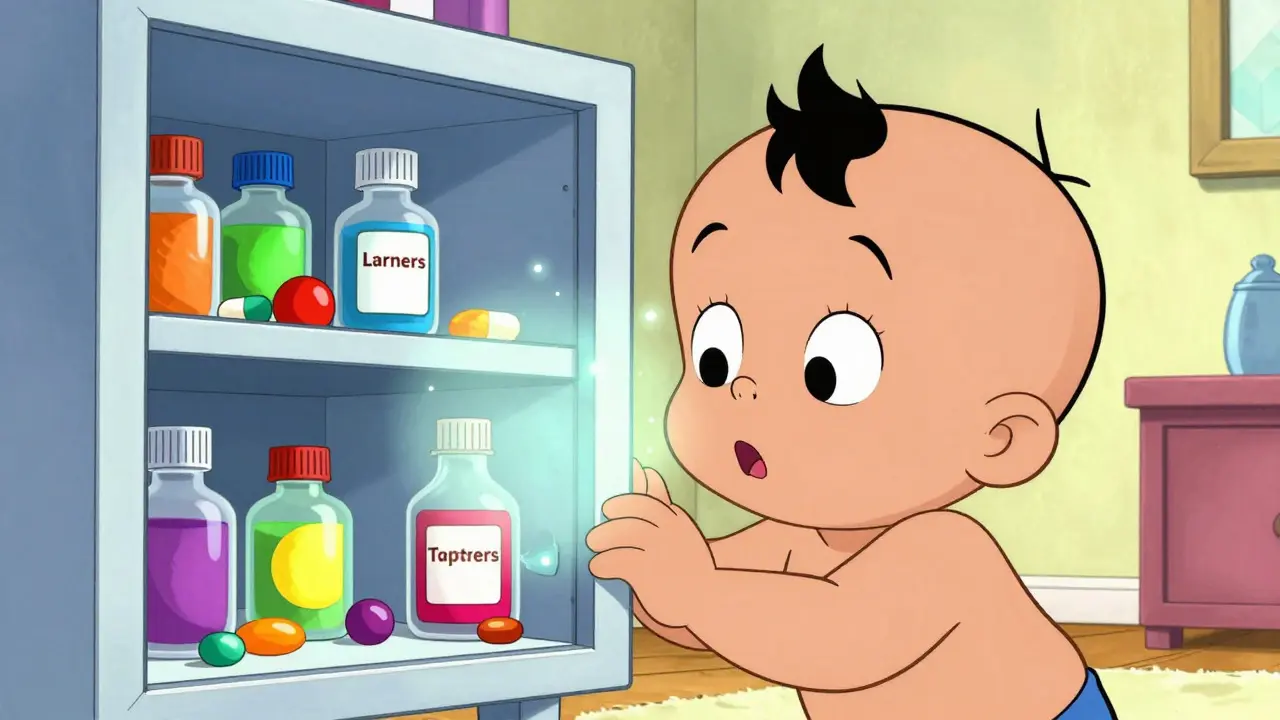
Explore critical pediatric medication safety tips. Learn about weight-based dosing, preventing poisoning, and avoiding common errors like teaspoon vs. milliliter confusion.

Learn when to tolerate medication side effects and when to seek medical help. Expert tips on managing adverse drug events, communicating with doctors, and avoiding treatment failure.
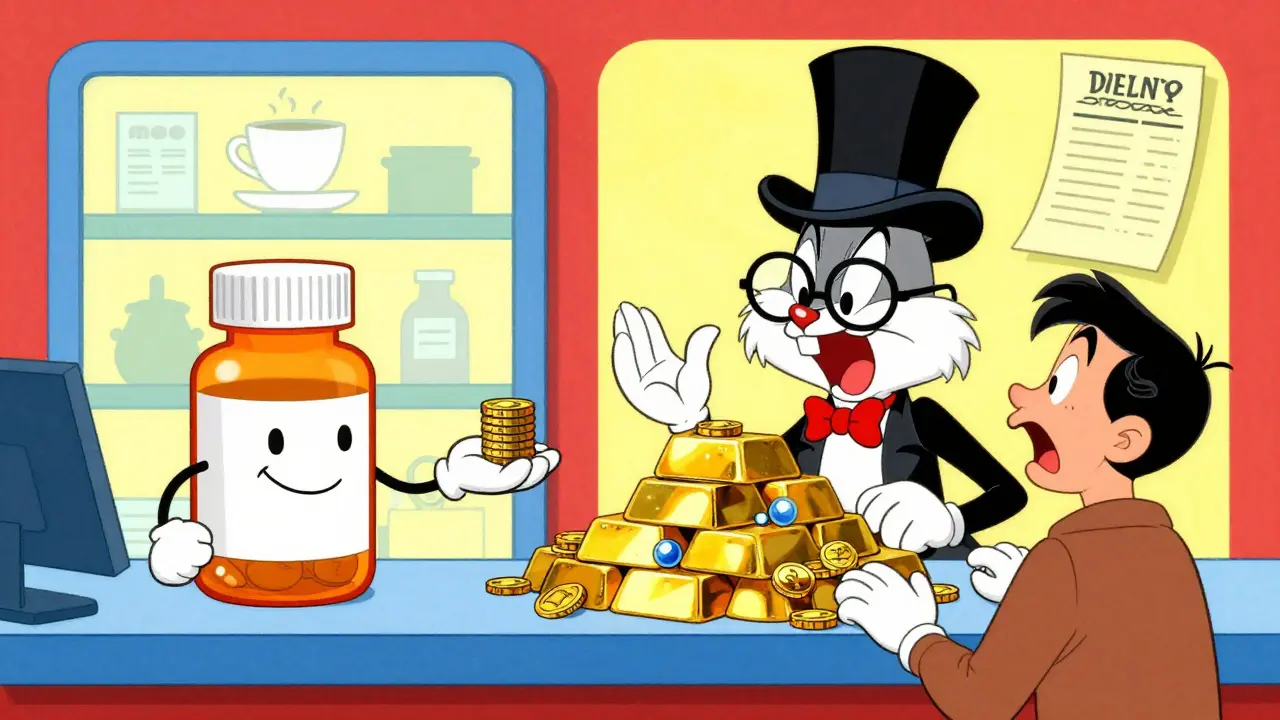
Explore why pharmaceutical prices vary globally. We compare US drug costs to international averages, analyzing brand vs. generic prices, Medicare negotiations, and policy impacts on affordability.
A practical guide to antihypertensive combination generics, covering availability, costs, pros and cons, and how to decide if switching from separate pills is right for your blood pressure management.
Long-term steroid use can cause cataracts and glaucoma. Learn the risks, symptoms, and monitoring protocols to protect your vision.
Explore the critical differences between beta-blocker generations, their drug interactions, and individual clinical profiles. Learn why carvedilol differs from metoprolol and how to manage side effects safely.
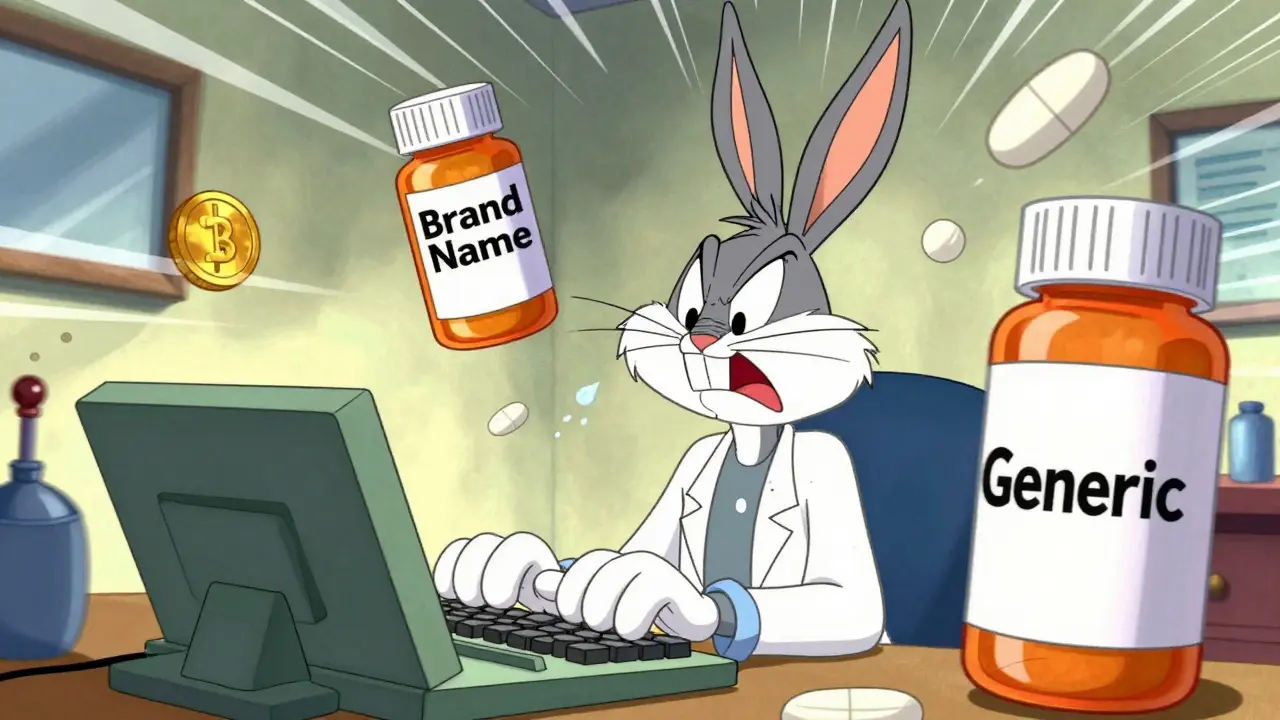
Explore how generic prescribing incentives reward healthcare providers, impact costs, and shape patient care in 2026.