Boxed warnings are the FDA's strongest safety alerts for prescription drugs. Learn how these warnings evolve over time, why they change, and how to track updates to protect your health.
Counterfeit medications are a deadly global problem. Learn the warning signs of fake pills and how to protect yourself by using only licensed pharmacies, checking packaging, and reporting suspicious drugs.

Generic medications save billions in healthcare costs each year, offering the same effectiveness as brand-name drugs at a fraction of the price. Learn how to use generics to cut your prescription costs and make sense of the system.
Learn where to safely store medications at home to prevent accidental poisoning, especially for children. Expert tips on locking, temperature, and disposal-backed by Australian and global health guidelines.
Learn how to set up medication budgeting and auto-refill alerts to manage prescription costs, avoid running out of meds, and save money. Practical steps for UK residents using NHS and pharmacy tools.

Isotretinoin can clear severe acne, but it may affect mental health. Learn how to spot depression early, who’s at risk, and what monitoring steps doctors now require to keep you safe.
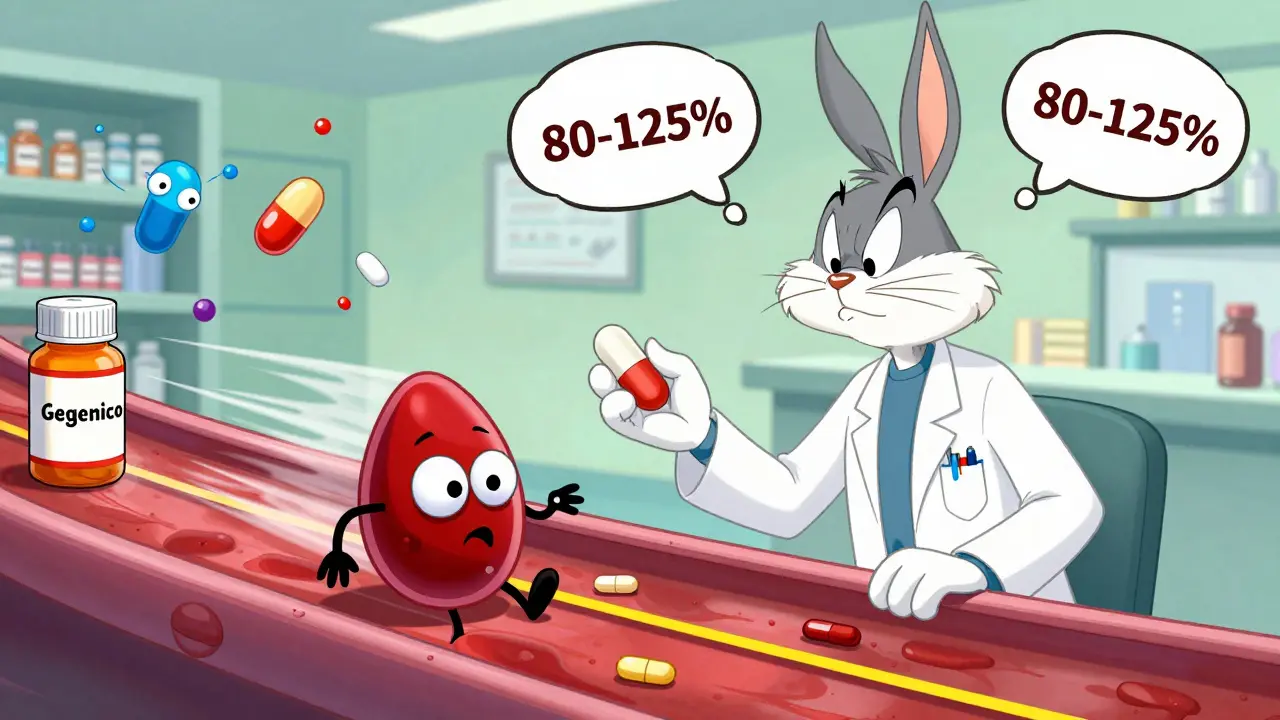
Bioequivalence testing ensures generic drugs work the same as brand-name versions, saving money without risking safety. Learn why this science matters for patient health and how regulators keep medications reliable.
Learn how to create a safe medication routine at home to prevent accidental poisonings, dosing errors, and confusion. Simple steps like locked storage, master lists, and pill organizers make a big difference for families.
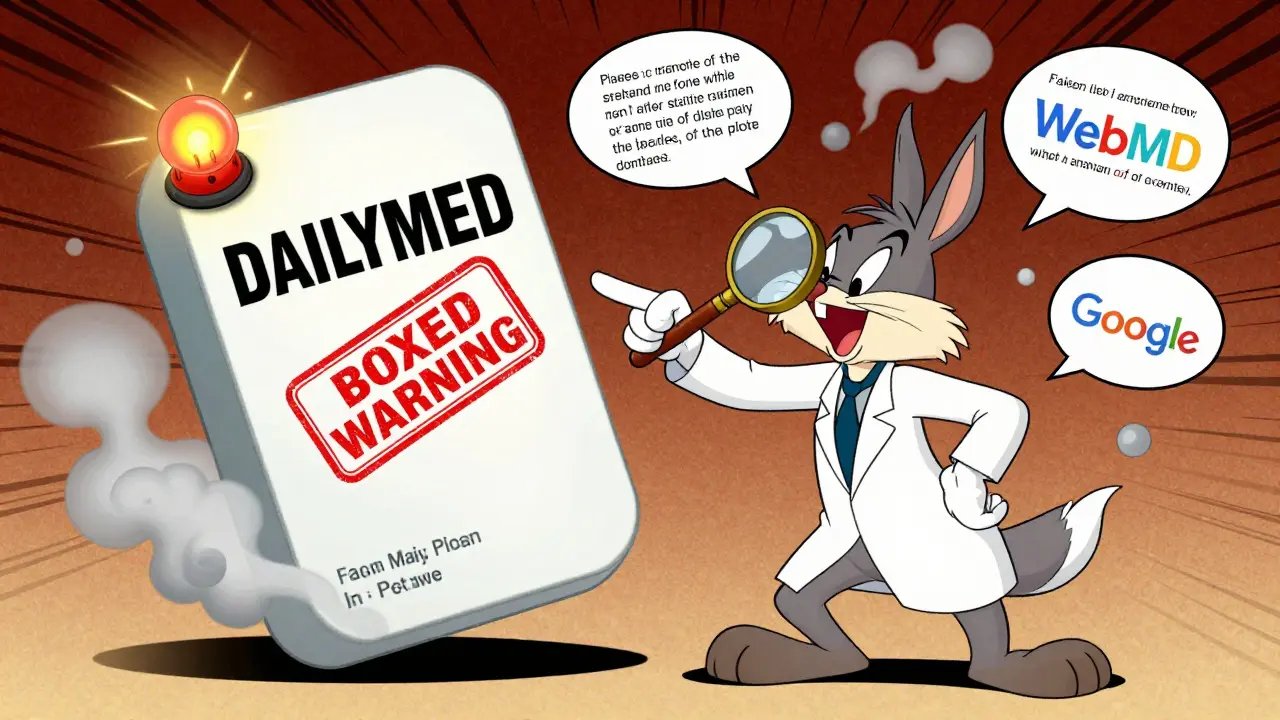
DailyMed is the only official source for up-to-date FDA-approved drug labels and side effects. Learn how to search for drug information, locate adverse reactions, and verify the latest safety updates directly from the National Library of Medicine.
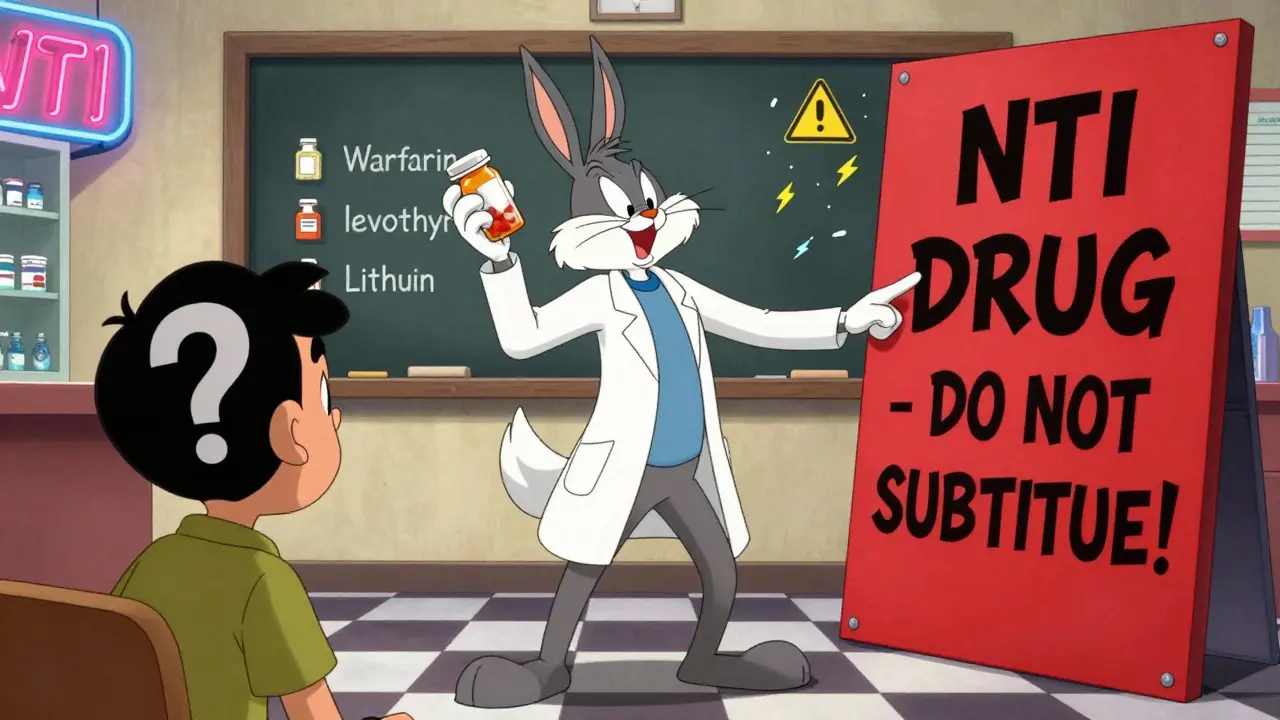
Twenty-seven U.S. states have special rules restricting generic substitution for narrow therapeutic index drugs like warfarin, levothyroxine, and lithium. Learn which states block swaps, require consent, or allow changes - and what it means for your health.