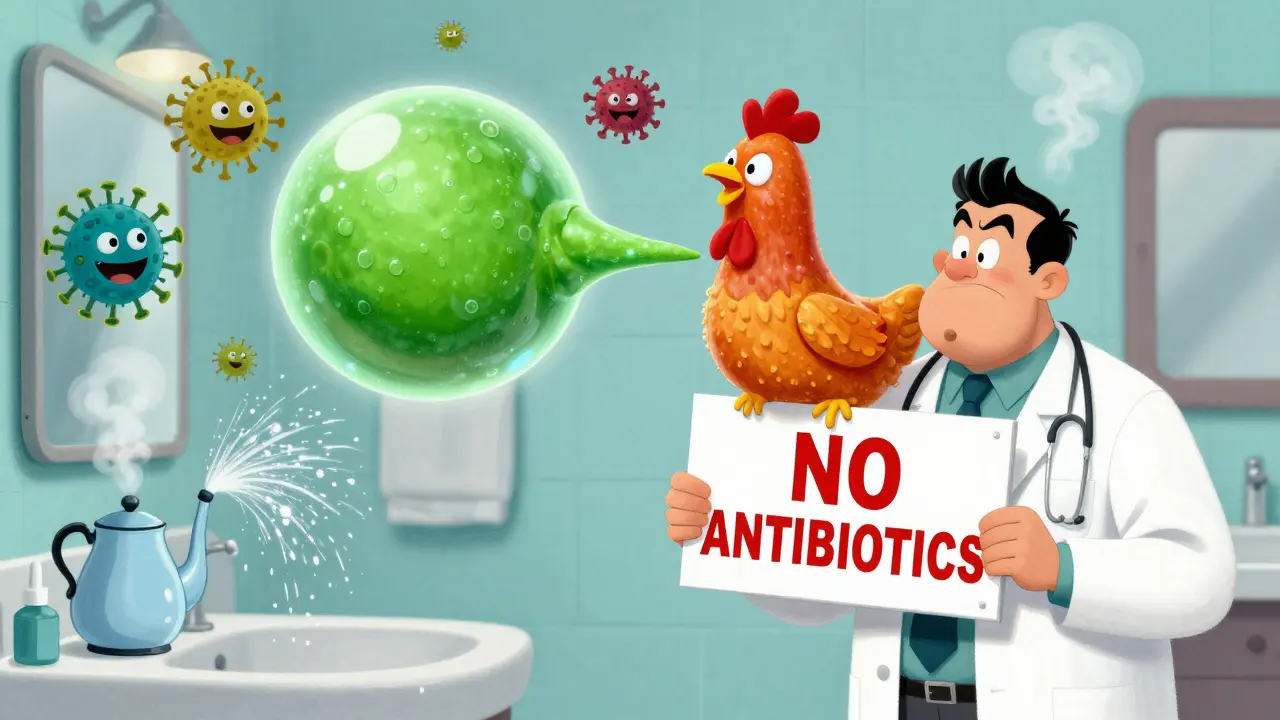
Most sinus infections are viral and don’t need antibiotics. Learn how to tell viral from bacterial sinusitis, when antibiotics actually help, and what really works to recover faster without risking resistance.
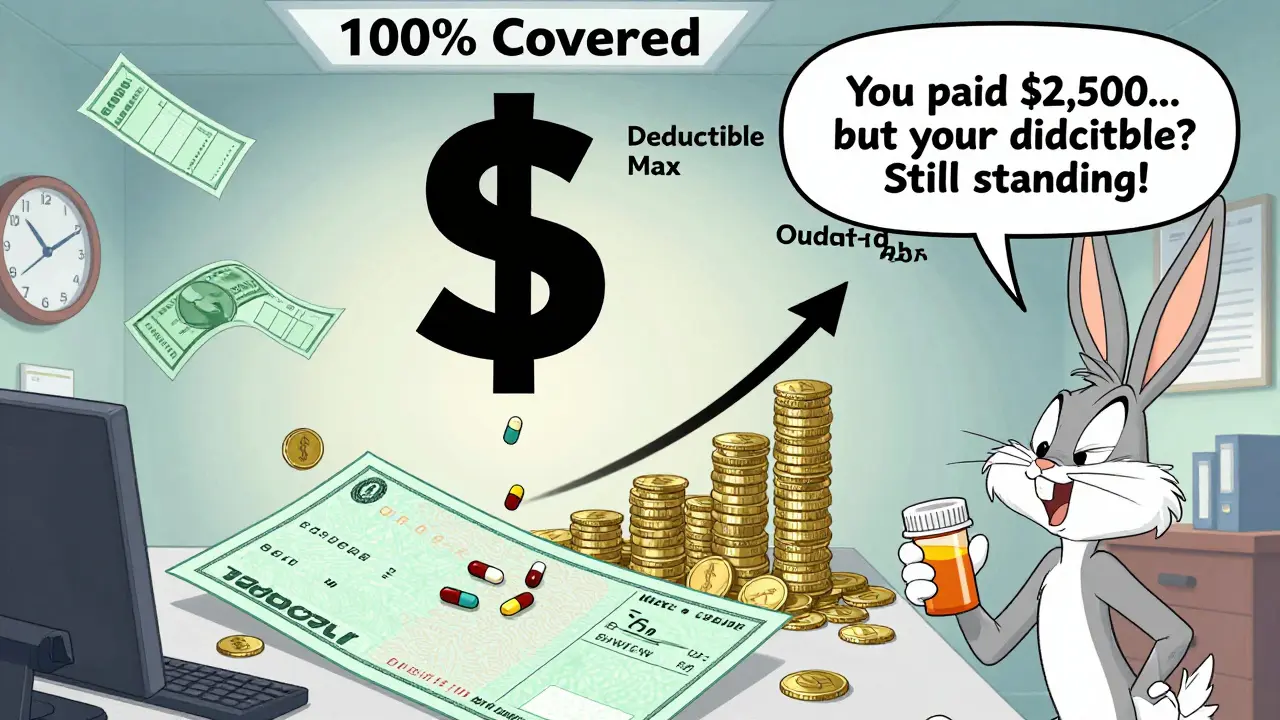
Generic copays don't count toward your health insurance deductible-but they do count toward your out-of-pocket maximum. Learn how this affects your medication costs and how to avoid overpaying.
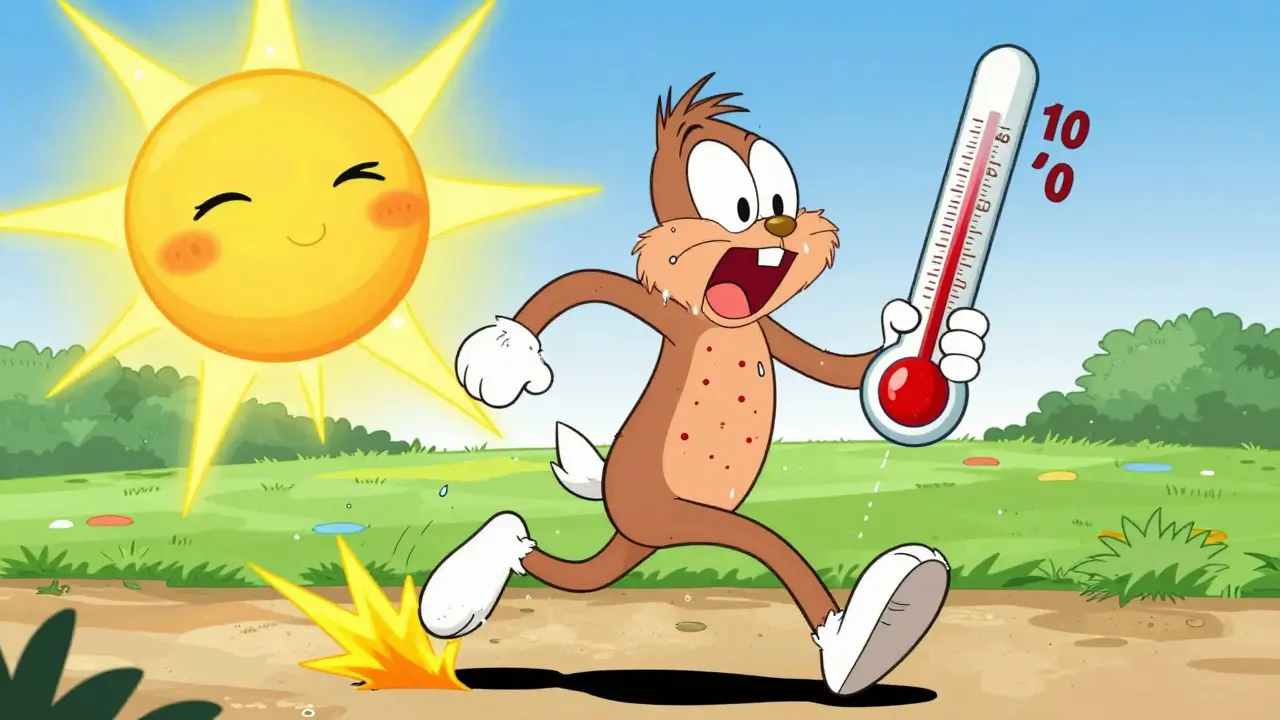
Cholinergic urticaria causes heat-induced hives triggered by sweat and rising body temperature. Learn how it works, what treatments help, and how to prevent flare-ups with lifestyle changes and medication.
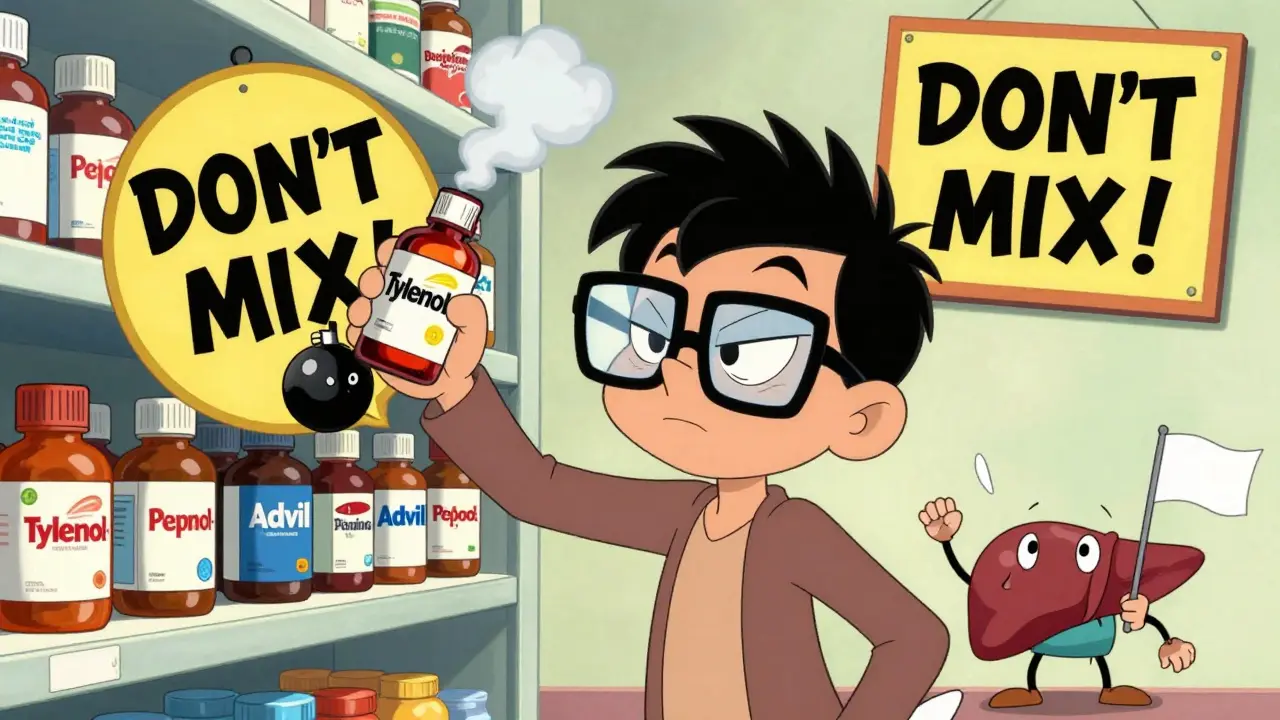
Learn how to safely use over-the-counter medications for common symptoms like headaches, colds, and stomach upset. Avoid dangerous mistakes with acetaminophen, NSAIDs, and hidden drug interactions.
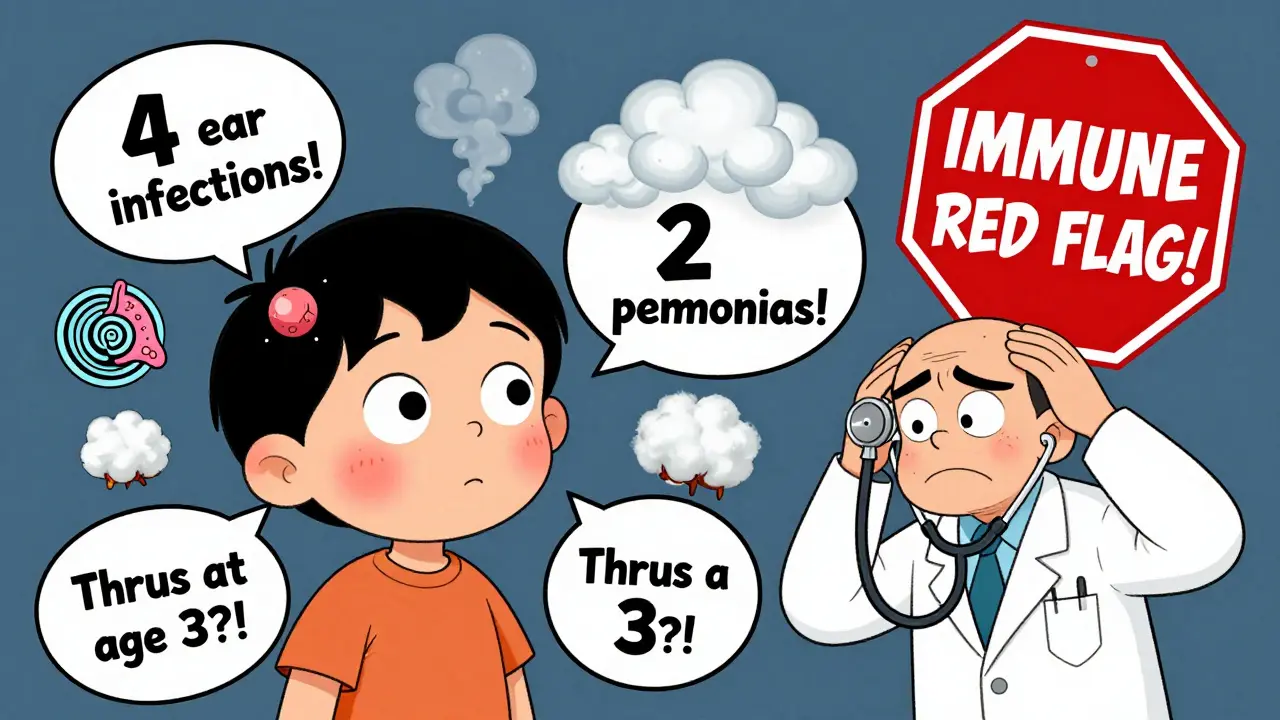
Recurrent infections can signal an underlying immunodeficiency. Learn the key red flags - from frequent pneumonia to thrush after age 1 - and what tests actually matter for diagnosis.
Learn what to expect at the National Prescription Drug Take-Back Day-when it happens, where to go, what you can drop off, and why it matters for safety and public health.

Eczema in babies can be the first sign of the atopic march-a chain of allergic conditions. Learn how skin barrier care, early allergen exposure, and genetics shape your child's risk-and what you can do now to help.
Deep Brain Stimulation (DBS) can dramatically improve motor symptoms for Parkinson’s patients who respond to levodopa. Learn who qualifies, what to expect from surgery and recovery, and why DBS remains underused despite proven benefits.
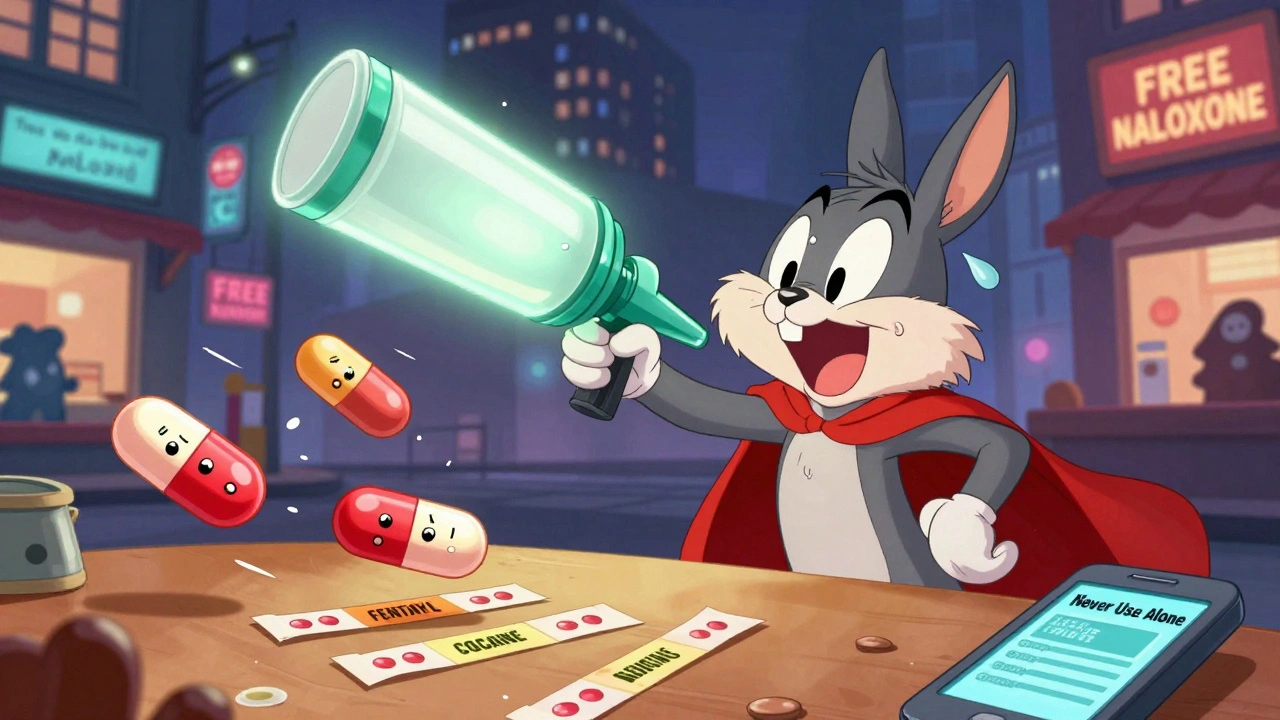
Learn proven, life-saving strategies to prevent overdose in people with substance use disorders - from naloxone and fentanyl test strips to medication-assisted treatment and safety planning.

Oral appliance therapy using mandibular advancement devices offers an effective, non-invasive solution for snoring and mild sleep apnea. Learn how they work, who benefits most, and what to expect in terms of cost, side effects, and results.