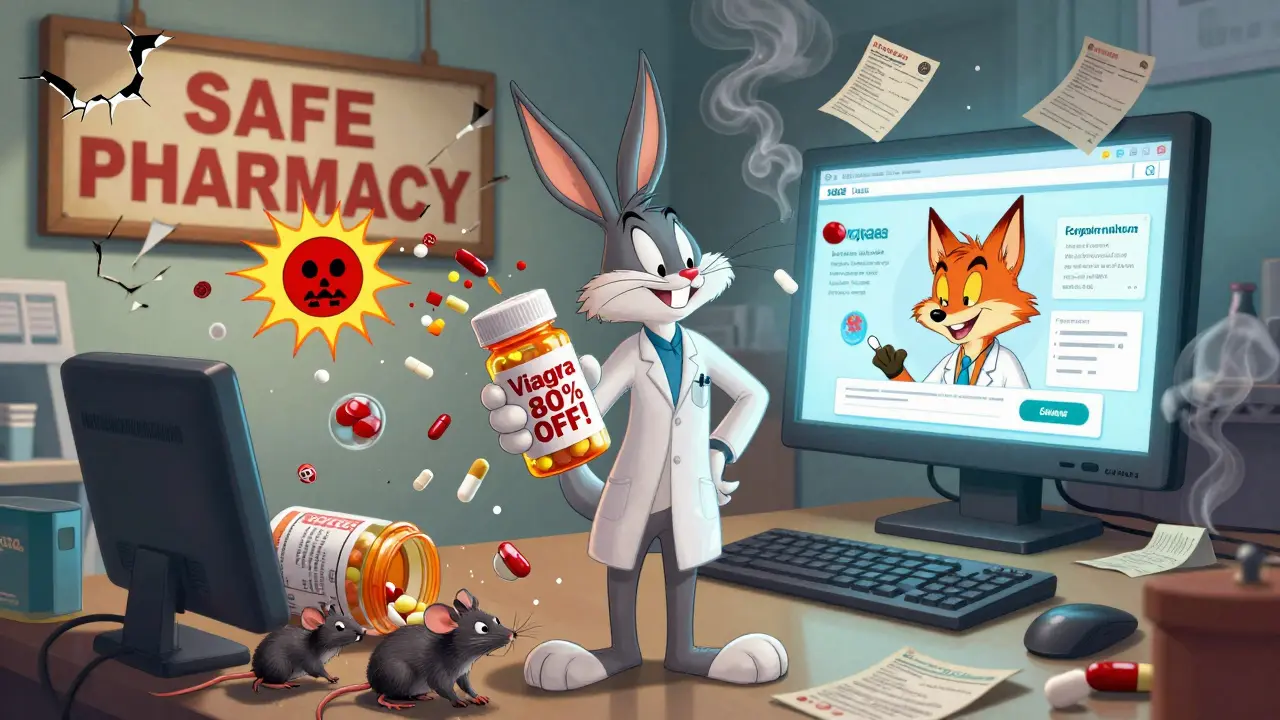
Ordering medication from abroad may save money, but counterfeit drugs pose serious health risks-from ineffective treatment to deadly toxins. Learn how fake pills are made, how to spot them, and how to stay safe.
Learn how to tell the difference between disease symptoms and medication side effects using timing, dosage, and symptom tracking. Avoid unnecessary treatments and hospital visits by recognizing what’s normal-and what’s dangerous.
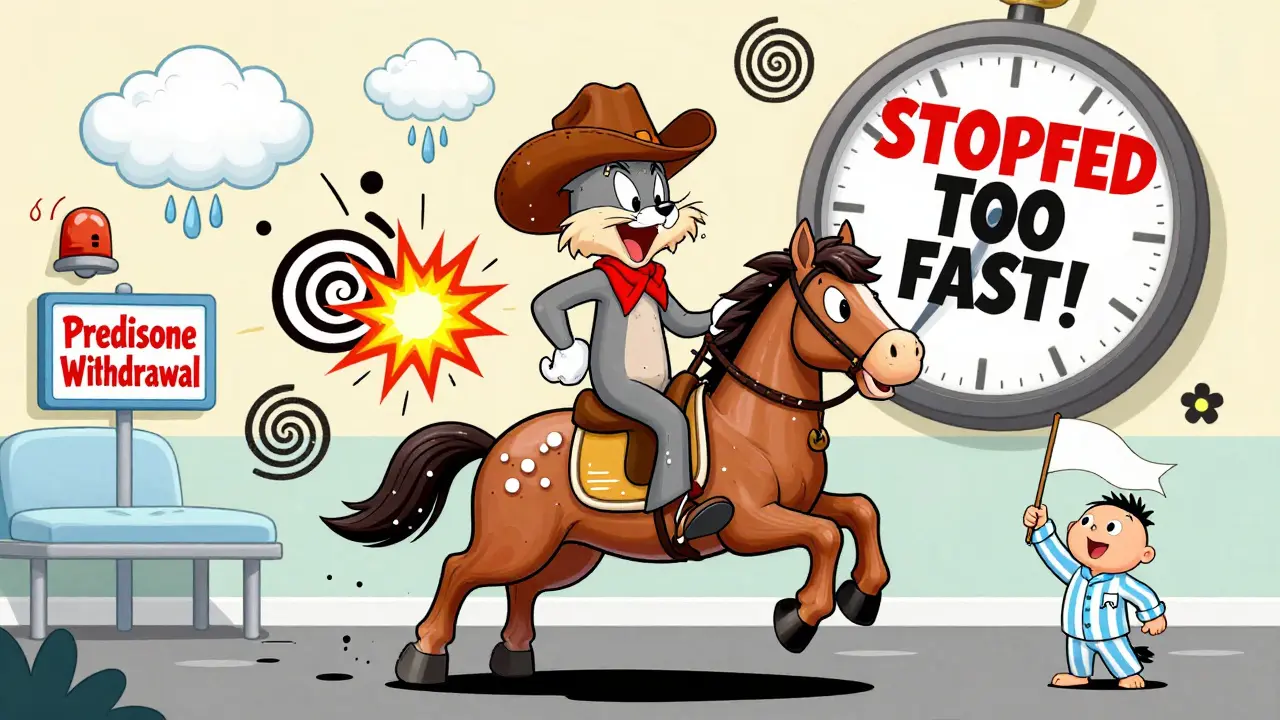
Steroid tapering is essential to avoid adrenal crisis and disease rebound. Learn how to safely reduce prednisone, recognize withdrawal symptoms, and use lifestyle strategies to make the process smoother and safer.
Learn how to prepare for your Medicare Annual Medication Review to catch dangerous drug interactions and save costs. Step-by-step guide for gathering medications, documenting concerns, and what to expect during the review. Essential tips from Medicare experts and real beneficiary experiences.
Consumer language guides simplify generic drug info for patients, explaining bioequivalence and safety. They help dispel myths, save money, and improve adherence. FDA and pharmacies create these tools using plain language and real examples.
Generic drugs contain the same active ingredients as brand-name drugs, work the same way, and are held to the same safety standards. They cost up to 85% less and make up 90% of U.S. prescriptions. Learn how they're approved, why they're safe, and when to choose them.
Opioid tolerance is a natural biological response where your body needs higher doses over time to get the same pain relief. It’s not addiction-but it can lead to dangerous overdose if not understood. Here’s why it happens and how to stay safe.
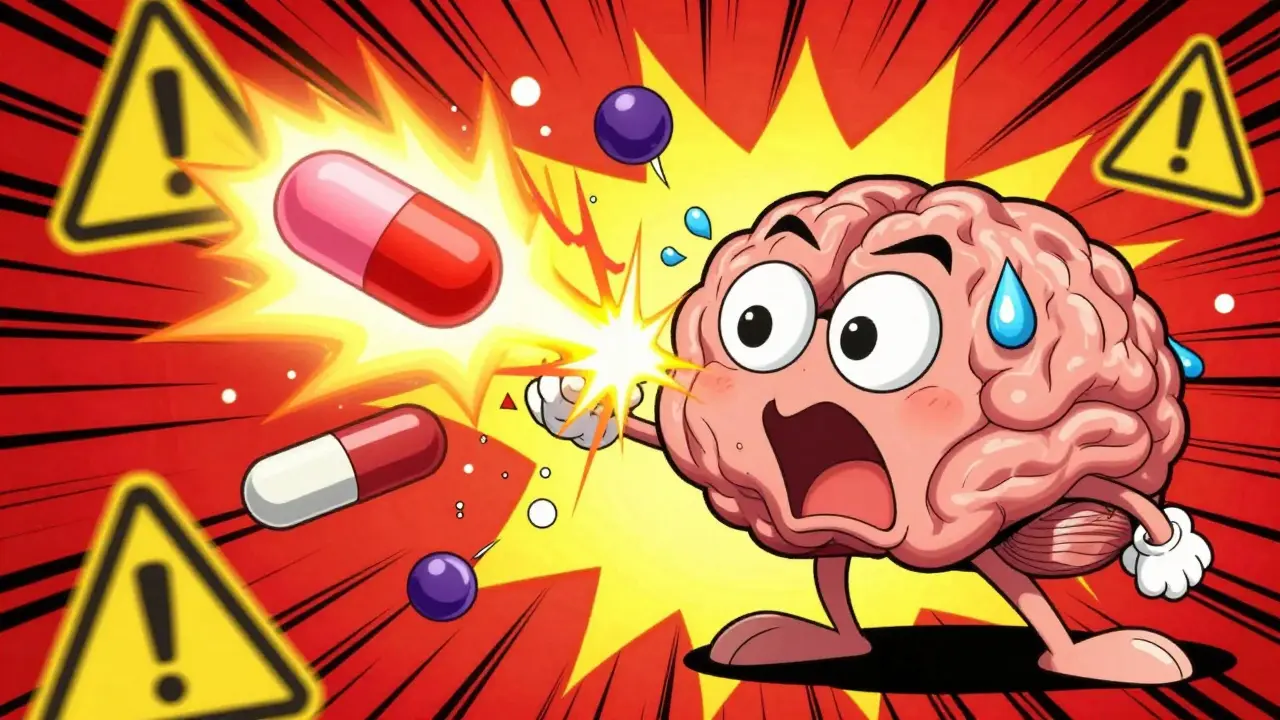
Combining 5-HTP supplements with SSRIs can trigger serotonin syndrome-a dangerous, sometimes fatal condition. Learn why this interaction is so risky, who’s most affected, and what to do instead.
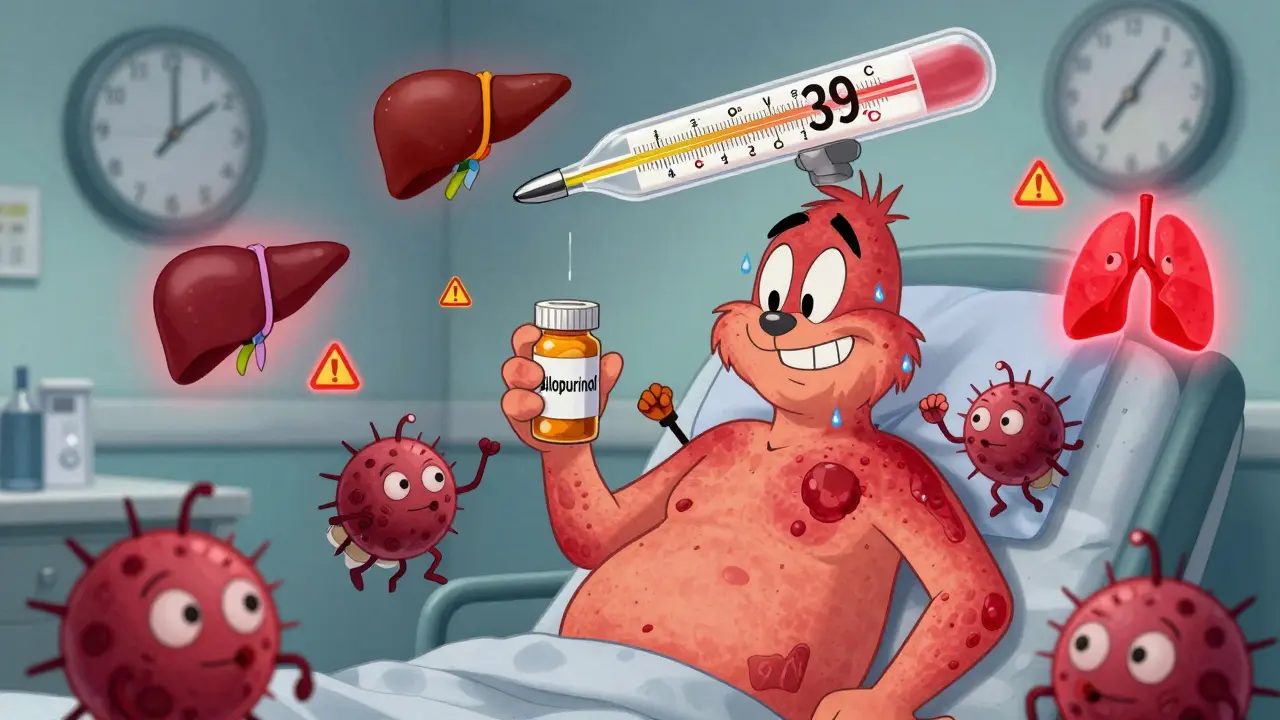
DRESS syndrome is a rare but life-threatening drug reaction causing fever, rash, eosinophilia, and multi-organ damage. Learn the warning signs, top triggers like allopurinol, and why early diagnosis saves lives.
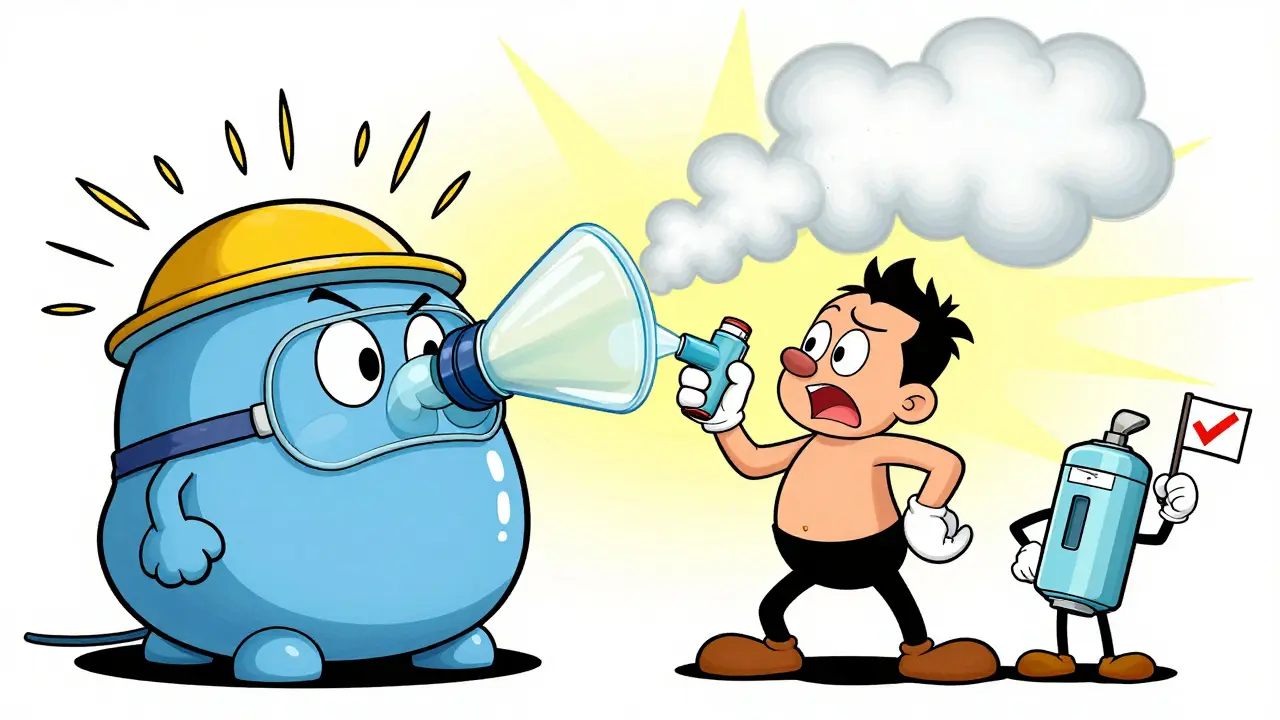
Nebulizers and inhalers both deliver asthma and COPD meds, but research shows inhalers with spacers are faster, cheaper, and just as effective for most people. Learn who should use which device - and why.